

Ko Te Aka Pūkāea kia ita, ko Te Aka Pūkāea kia eke!
March 17, 2023
Generation Kāinga: Rangatahi building a regenerative and resilient Aotearoa
March 17, 2023
MOKO draws attention to the innovative capability of marae and kāinga to assume central roles in the provision of culturally based housing initiatives that can support and enhance our lives as whānau Māori in urban centres. It also seeks to provide insights, influence and opportunities for others, including external agencies and services, to achieve greater outcomes for whānau and community well-being.
…culturally based housing initiatives that can support and enhance our lives as whānau Māori in urban centres.
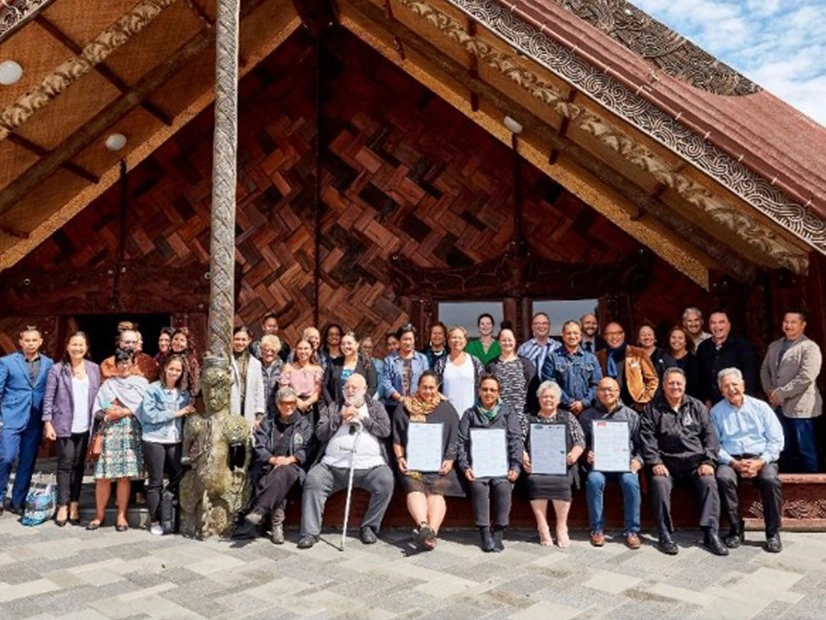
MOKO Launch at Te Noho Kotahitanga Marae, Unitec Mt Albert, Auckland, March 2020. Each of the five marae representatives are holding copies of the Memorandum of Understanding signed in partnership with the Research Centre.
…to achieve greater outcomes for whānau and community well-being.
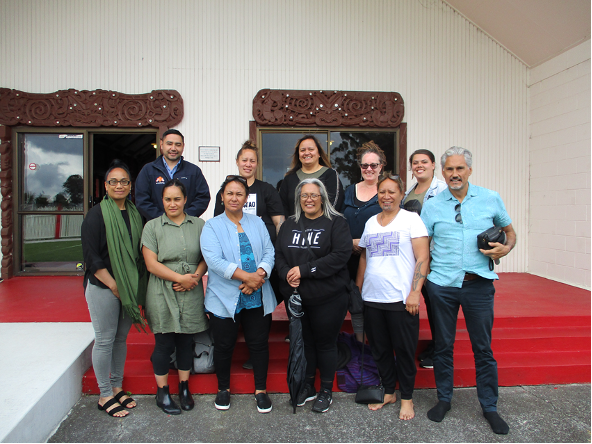
MOKO Team hui with Marae-based Research Coordinators held at Mataatua Marae, Māngere, November 2020.
Research Aim:
To support marae to develop sustainable marae-led kāinga initiatives. Through the multi-year project marae have the opportunity to closely collaborate with each other with the goal of strengthening knowledge sharing, enhancing networks, sharing resources to achieve enhanced outcomes for whānau and community. A further aspiration for this research is to develop a framework for marae-led community wellbeing and marae-based community wellbeing indicators.
Our Research Team:
This large multidisciplinary research team is led by Dr Jenny Lee-Morgan, alongside key members of Pūrangakura including Rau Hoskins, Kim Penetito, Dr Cat Mitchell, Dr Jo Mane and Ngahuia Eruera.
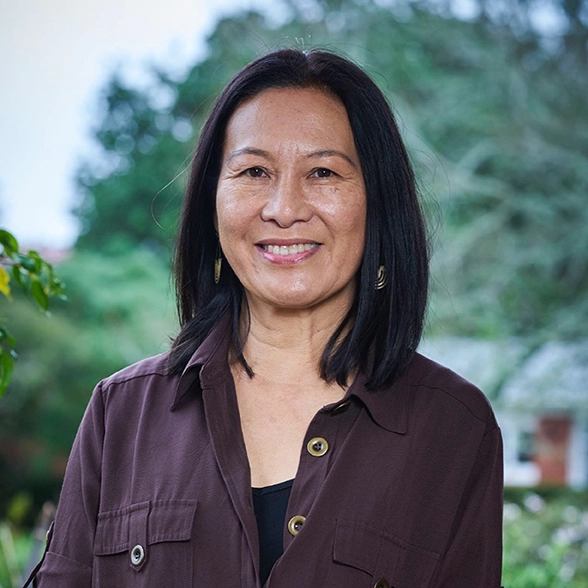
Dr Jenny Lee-Morgan
(Waikato, Te Ahiwaru, Ngāti Mahuta)
is a senior kaupapa Māori researcher. Formerly the inaugural Director of Ngā Wai a te Tūī Māori and Indigenous Research Centre, Unitec, Jenny has led several large community centred research projects. Currently she is also a Trustee of Te Ahiwaru Trust and Te Motu o Hiaroa Charitable Trust.
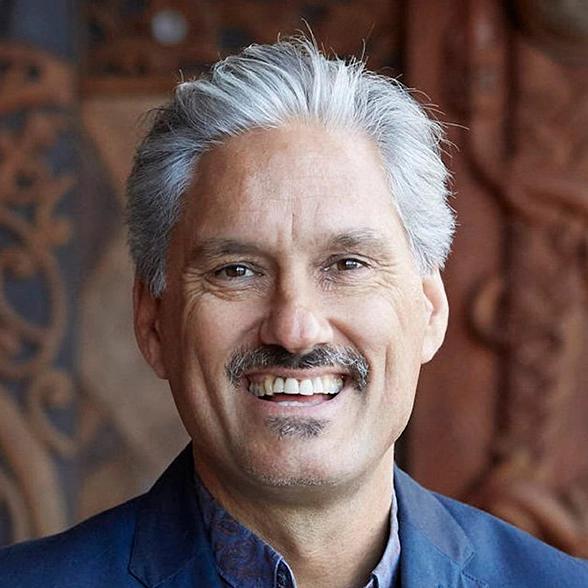
Rau Hoskins
(Ngāti Hau, Ngāpuhi)
is a renowned Māori practitioner, researcher and educator in Māori architecture, housing and cultural landscape design. As the founding Director of DesignTribe architects, a board member of Toi Ngāpuhi and Trustee of Te Matapihi, Rau works closely with iwi and agencies to advocate for better Māori housing solutions.
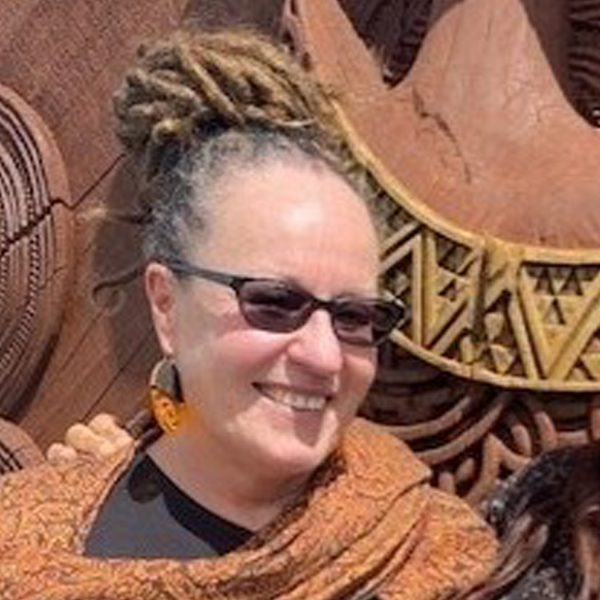
Kim Himoana Penetito
(Ngāti Hauā, Ngāti Tamaterā, Raukawa)
has a Masters in Māori Development, and a background in Kaupapa Māori community development, training and education. She is the co-director of Hauā Partnerships and a researcher at Pūrangakura.
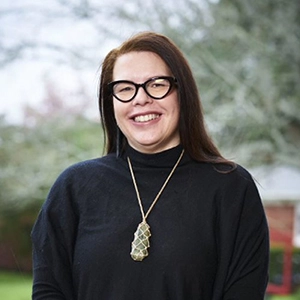
Dr Cat Mitchell
(Taranaki)
is a senior researcher with a PhD in higher education from the University of Auckland. Cat works across a range of projects including Marae Ora Kāinga Ora, Marae ki te Kāinga and Digital Twin: Ihumataao.
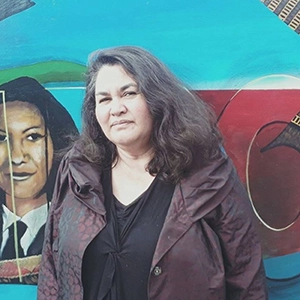
Dr Jo Mane
(Ngāpuhi)
is a senior kaupapa Māori researcher. As part of a community-led initiative, Jo was integral in the establishment of tribal radio in Ngapuhi. Her Masters study documented a history of the radio station Tautoko FM and her doctoral thesis studied ‘The Impact of Māori Language Broadcasting on Māori Language Survival’.
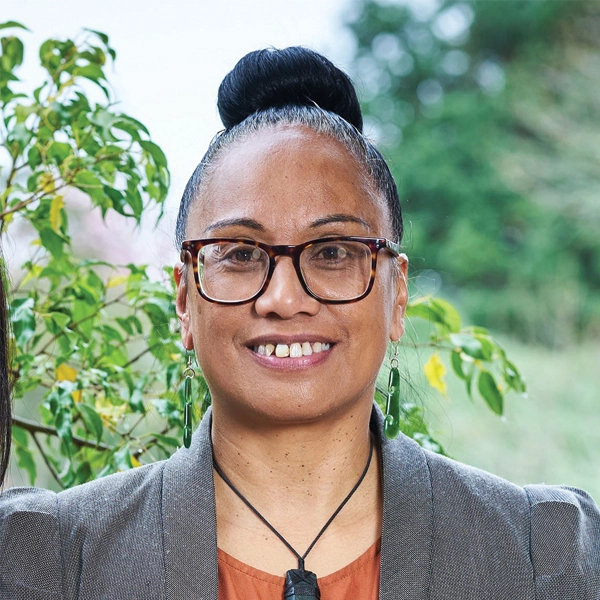
Ngāhuia Eruera
(Ngāti Awa, Ngāi Tūhoe, Tūhourangi, Ngāti Tamatera)
brings a wealth of business solutions and operational management expertise from her background and senior leadership roles in sports, tertiary education (Wānanga) and research sectors. A home-grown ‘pa’ girl she is passionate about whānau wellbeing and hauora Māori, in particular marae development. She is currently a board member of the Auckland Mataatua Society Inc and Te Tini o Toi Housing Trust.
We are pleased to collaborate with other kaupapa Māori researchers:
Rihi Te Nana (BBHTC, BRANZ Ltd), Irene Kereama Royal (Ngā Wai a te Tūī), Dr Mohi Rua (University of Auckland), Dr Jessica Hutchings (Tiaho Ltd), Shirley Simmonds, Anaru Waa (Massey University), Lena Henry (University of Auckland), Wayne Knox (Te Matapihi).
Our marae-based researchers included:
Pania Newton and Moana Waa (Makaurau Marae), Hineamaru Ropati (Papatūānuku Kokiri Marae), Harlin Raerino-Gray, Baari Mio (Mataatua Marae), Krissy Bishop, Kahleyn Evans, Helena Stephens (Manurewa), Greer Samuels, Roxanne Joyce, Luella Linaker (Papakura Marae).
We acknowledge Tu Tama Wahine o Taranaki as hosts of the project in its final phase.
Key Partners:
Research Partners:
Funders:
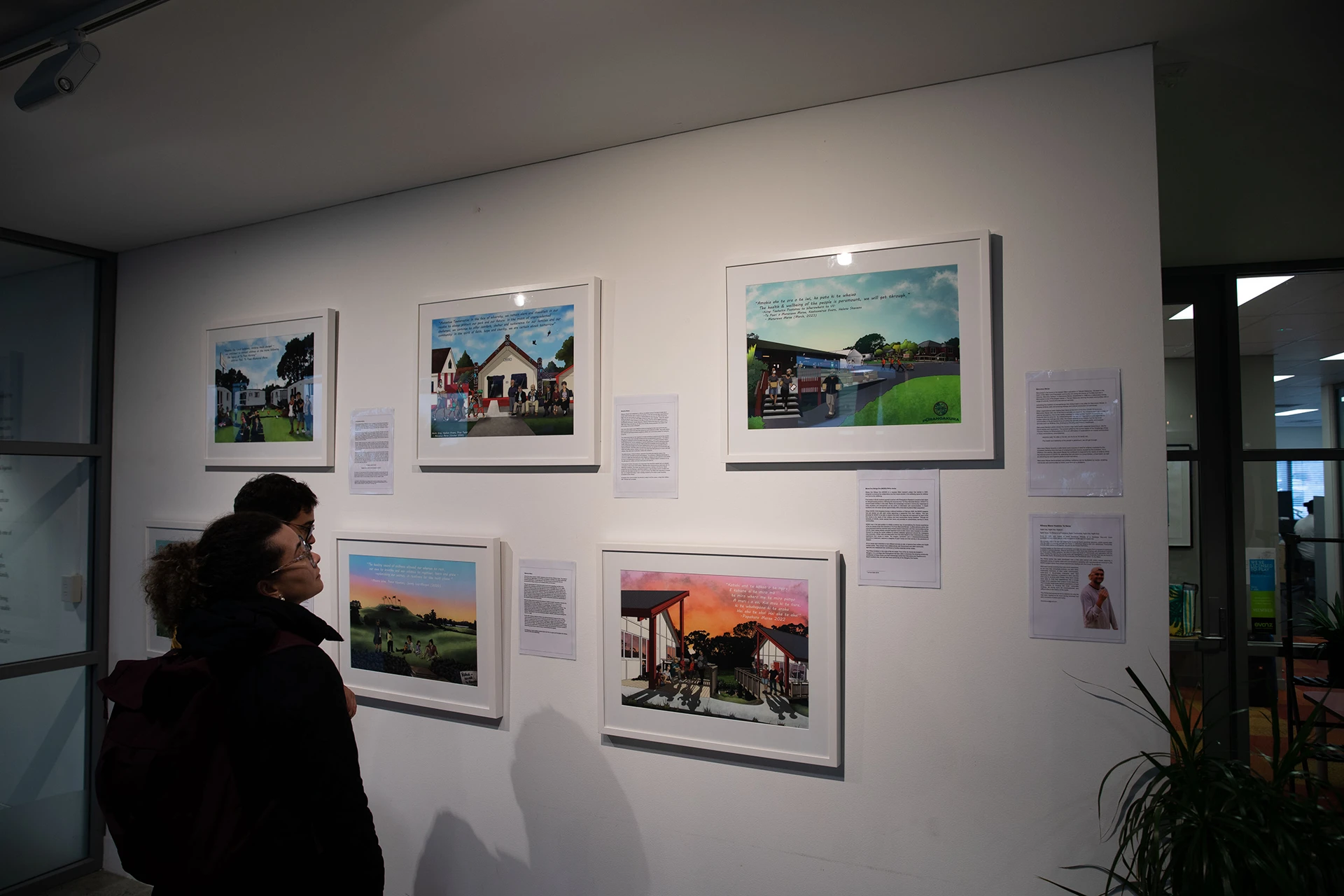
When COVID – 19 hit Aotearoa forcing a national lockdown in February 2020, the MOKO research had just started out. This was fortunate for MOKO to be able to observe first – hand, the response and approach by each of the five marae to the needs of their whānau and local communities during lockdown. Through the adversity of COVID, marae opened their doors and provided an extraordin ary service to whole communities.
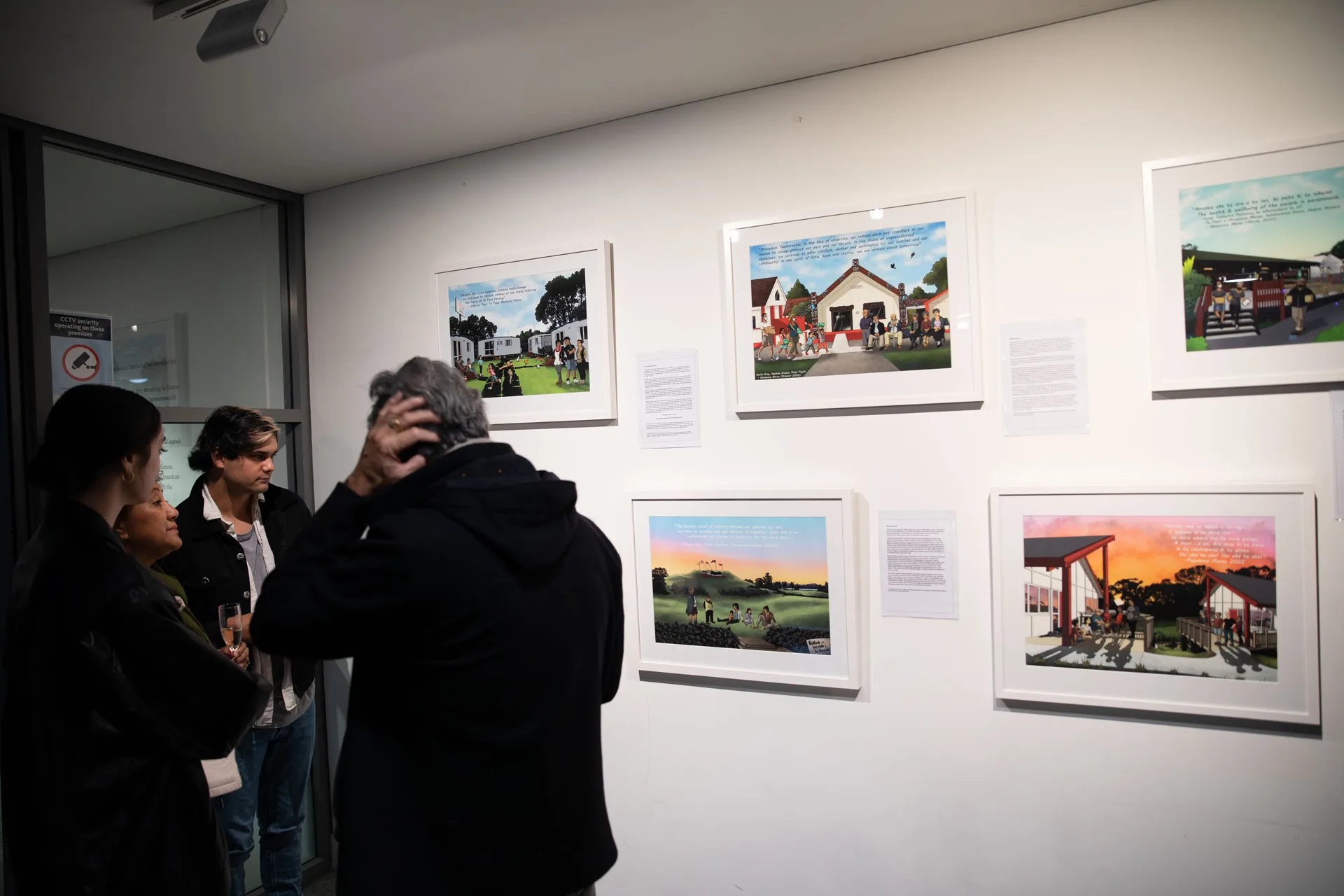
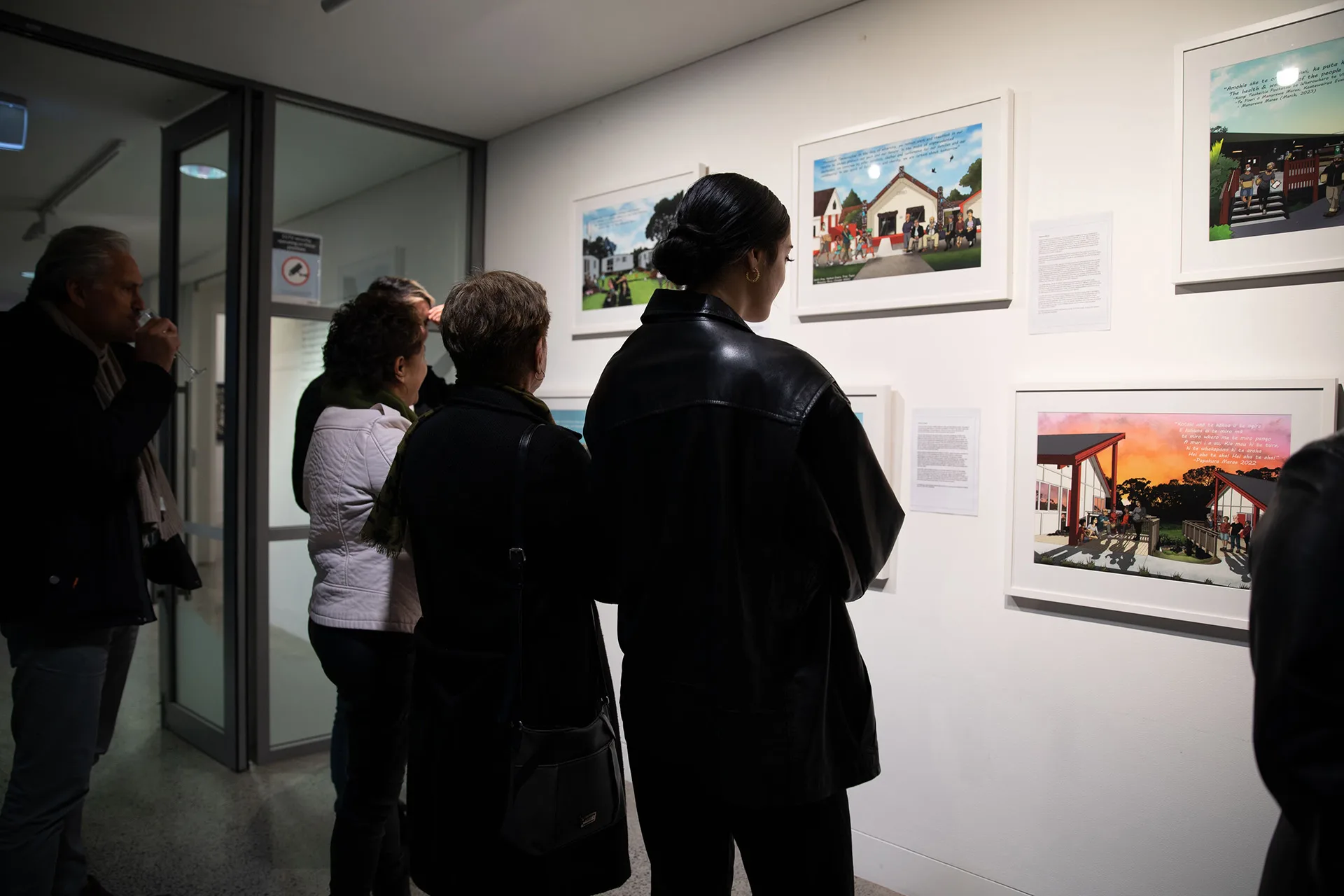
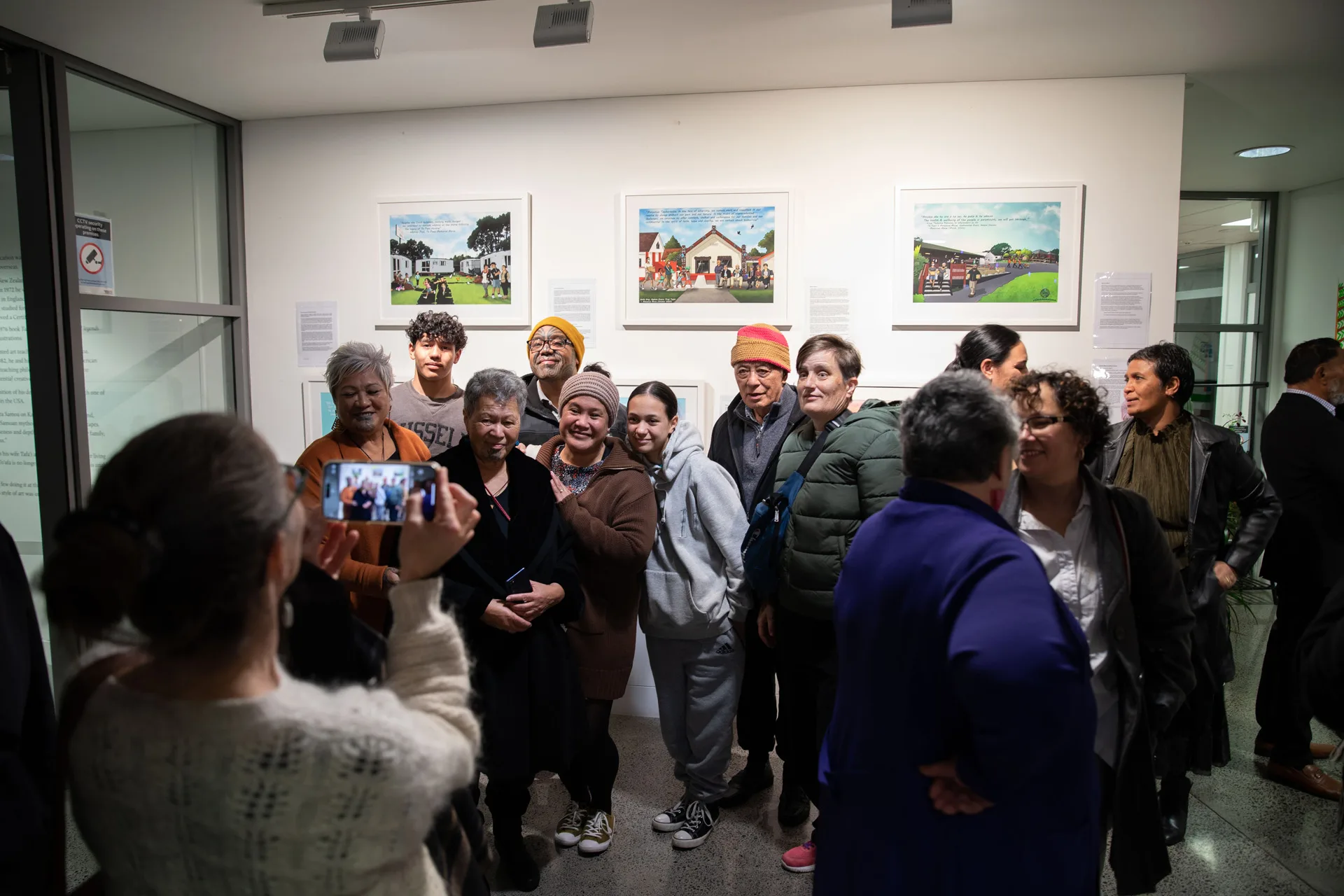
A pikitia (picture) series was commissioned to tell the important story of each marae’s interaction with their communities during the pandemic. The imagery, symbolism and a whakatauki/whakatauāki (proverb) or statement, c aptures a snapshot of each marae and their activity in the pandemic of 2020/21.
All six marae were stretched to host different services on site, to become food outlets and health contact points. They worked more collaboratively with Government and other c ommunity agencies and redeployed their workforce to frontline essential worker duties.
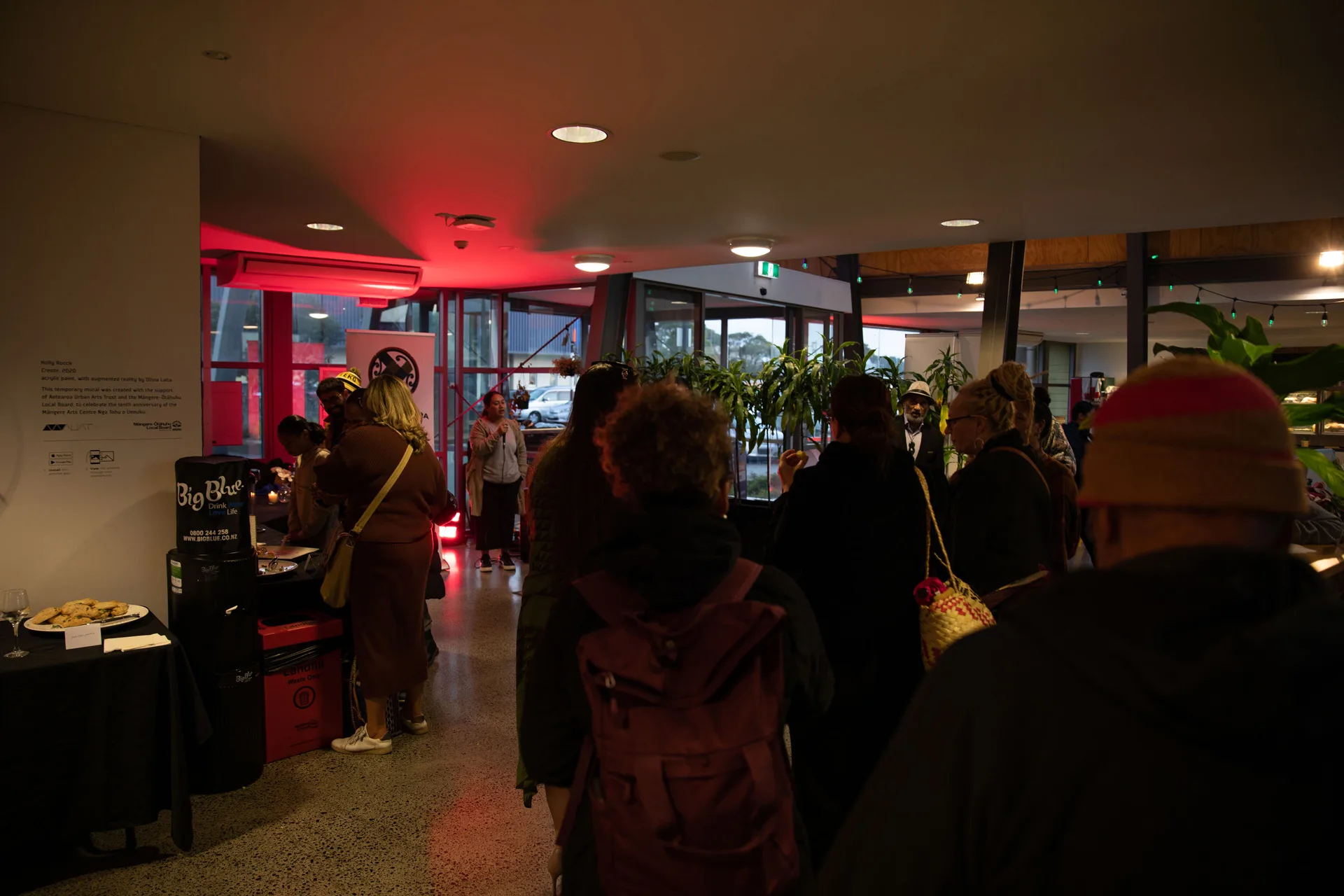
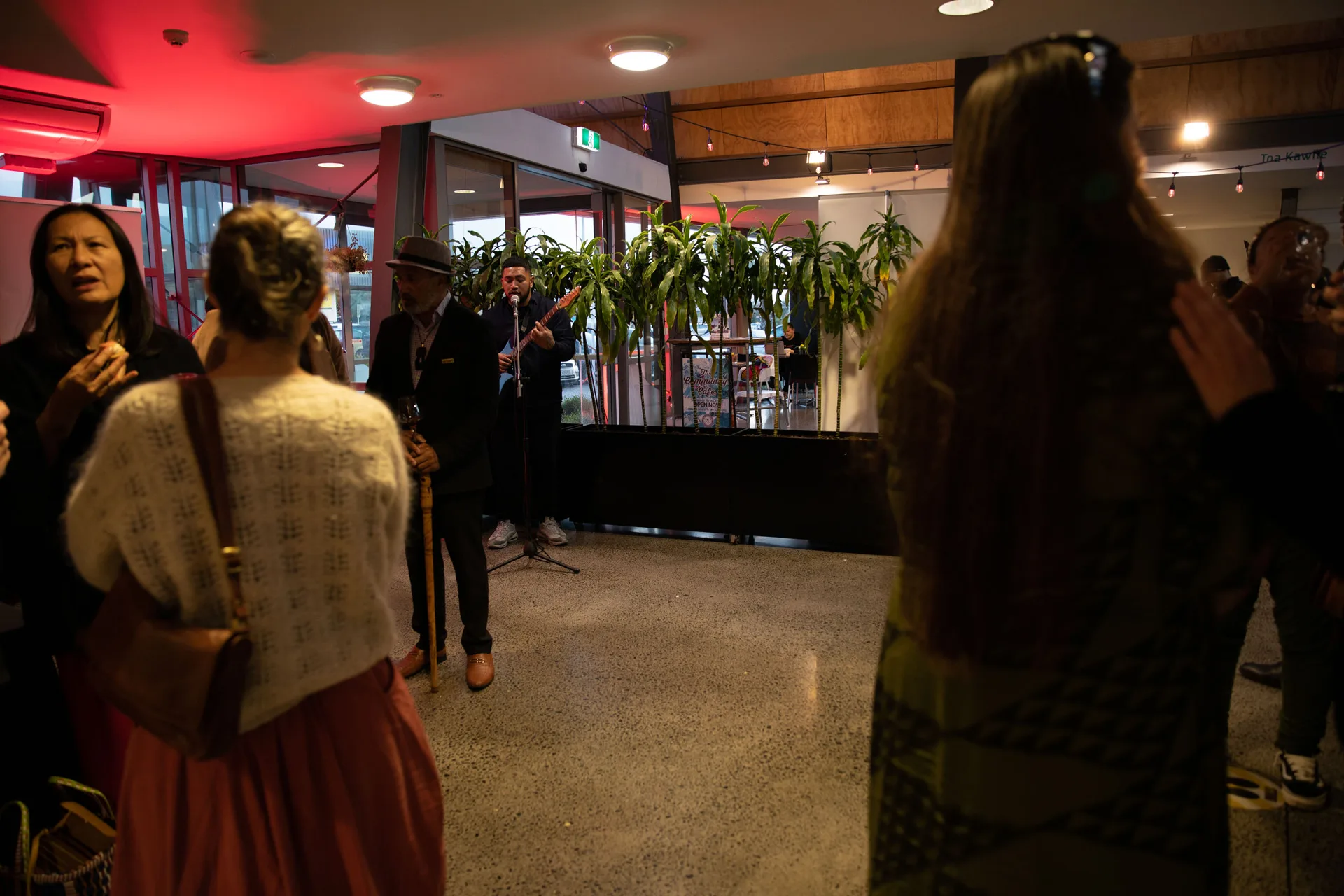
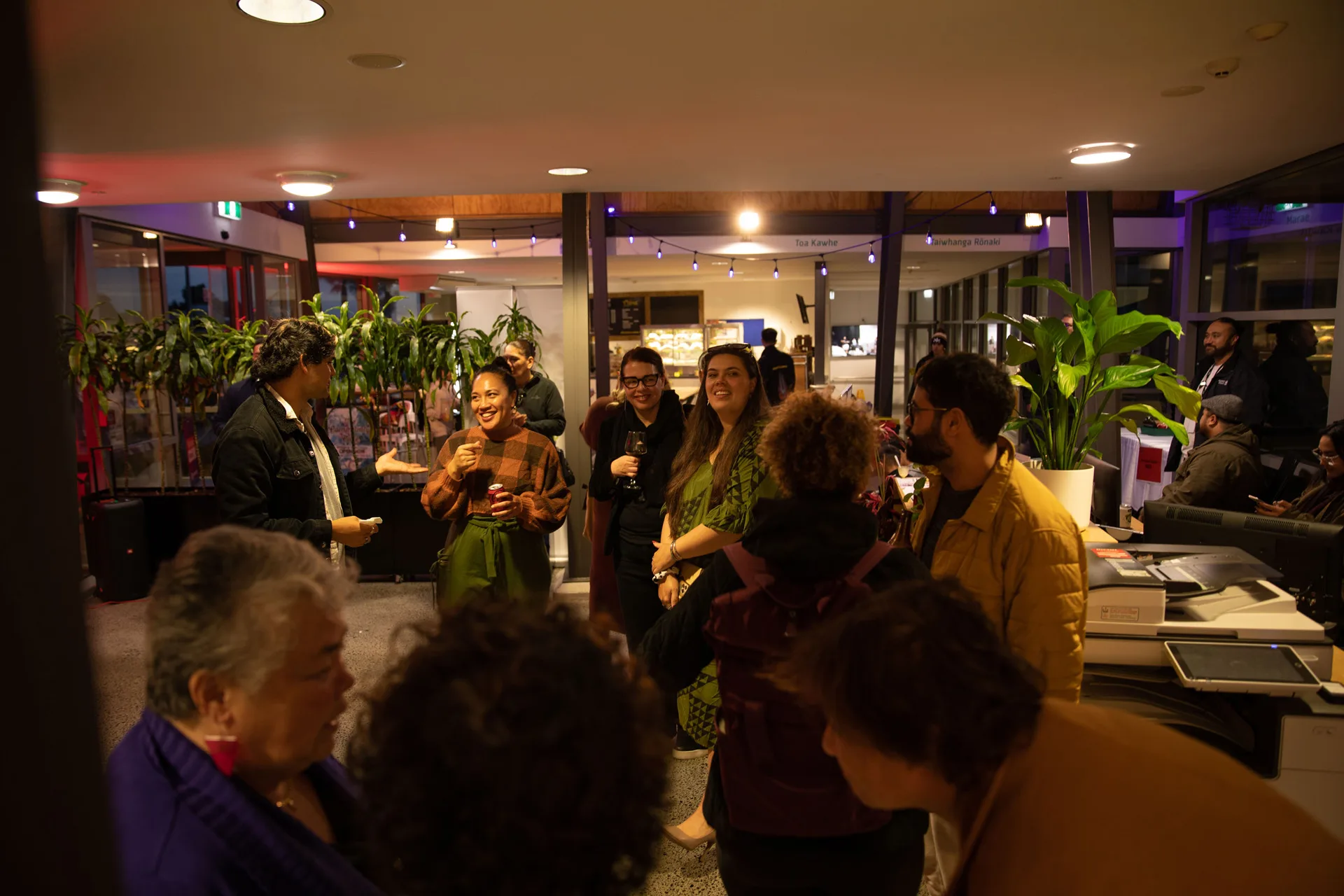
This Pikitia Exhibition is the voice of the six marae. Four of the six marae are located in Mangere. It is a privilege that Pūrangakura has been able to showcase the am azing community contribution of these marae and their whanaunga marae from Manurewa and Papakura at a South Auckland site, and with their local community at the Mangere Arts Centre.
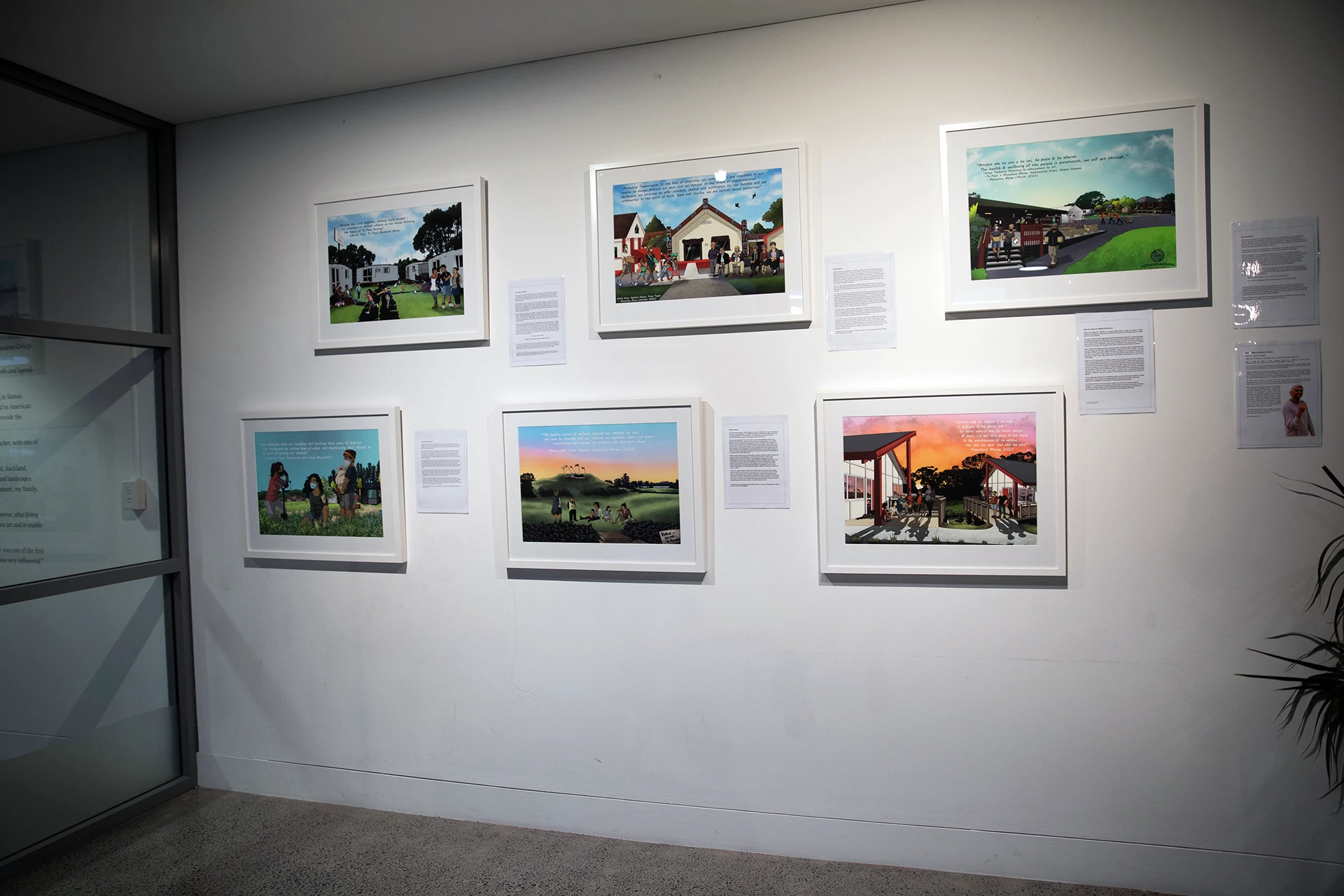
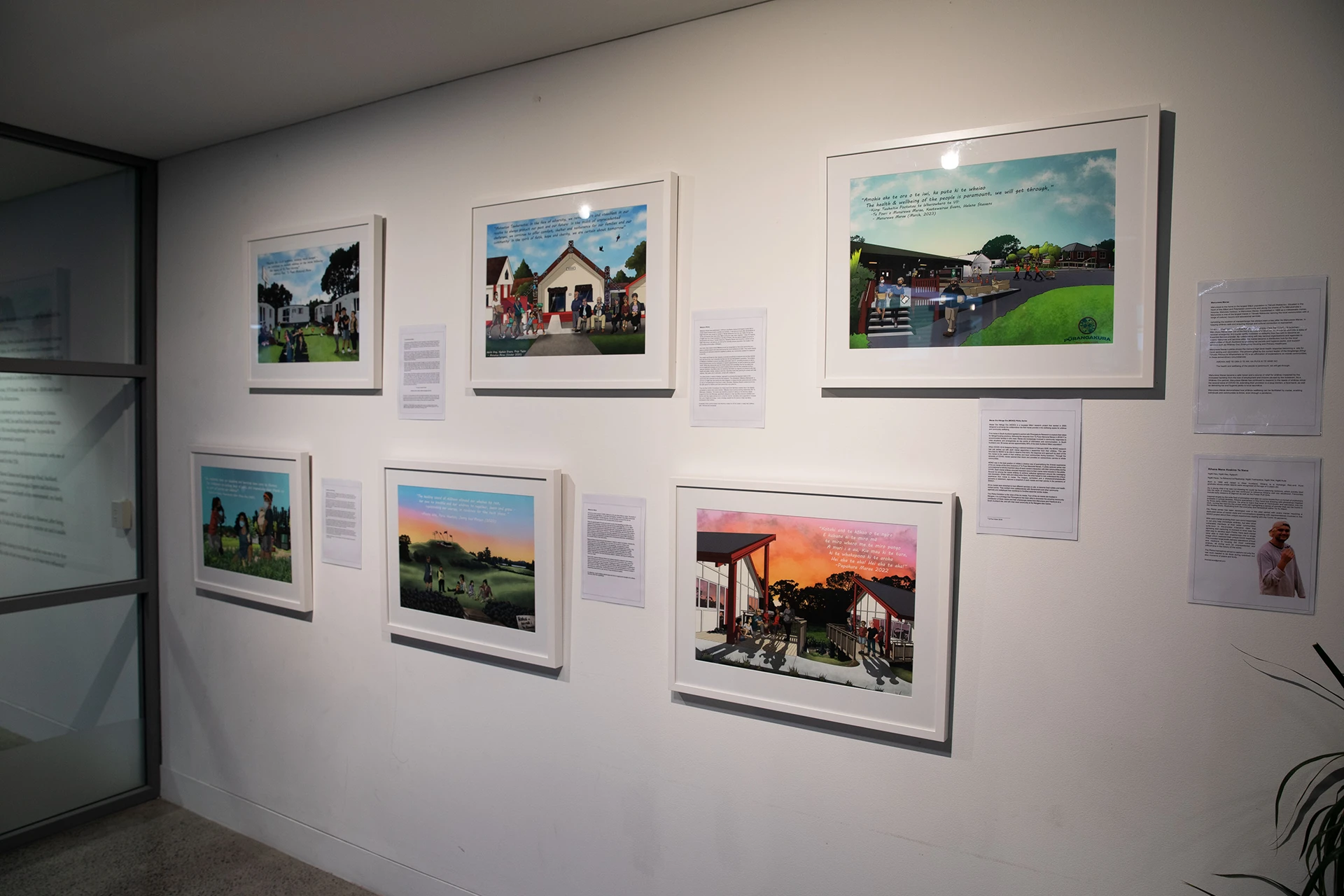
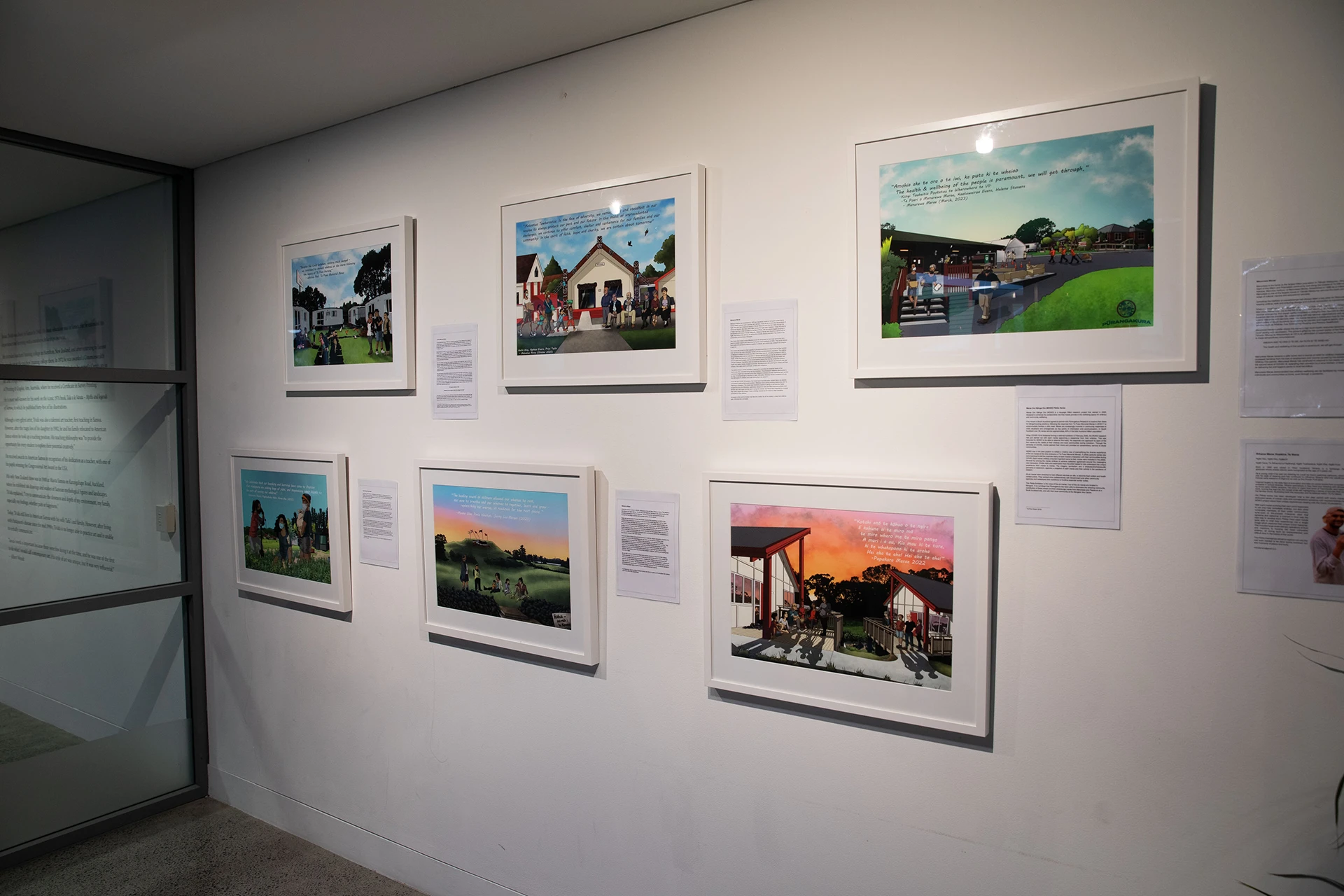
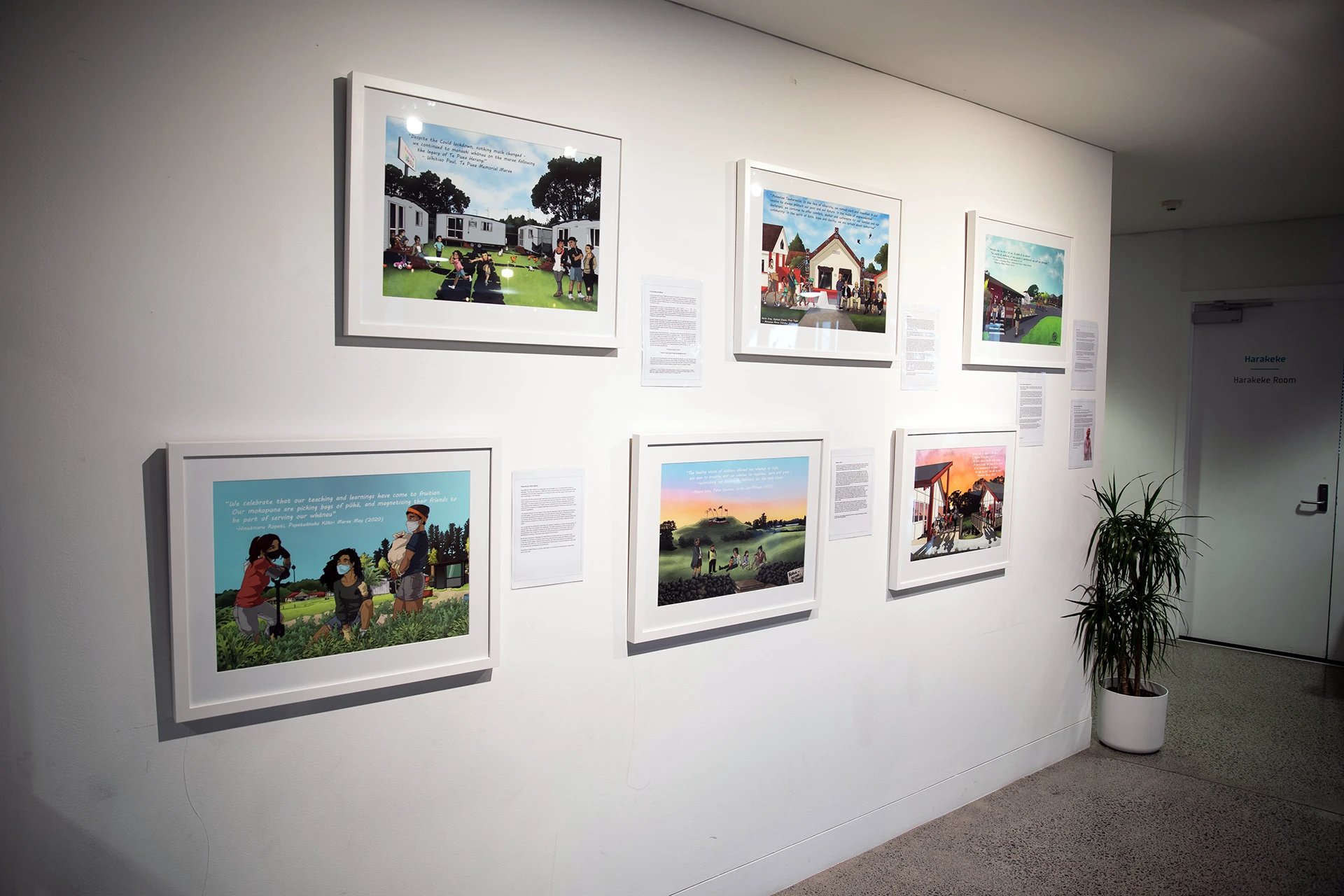
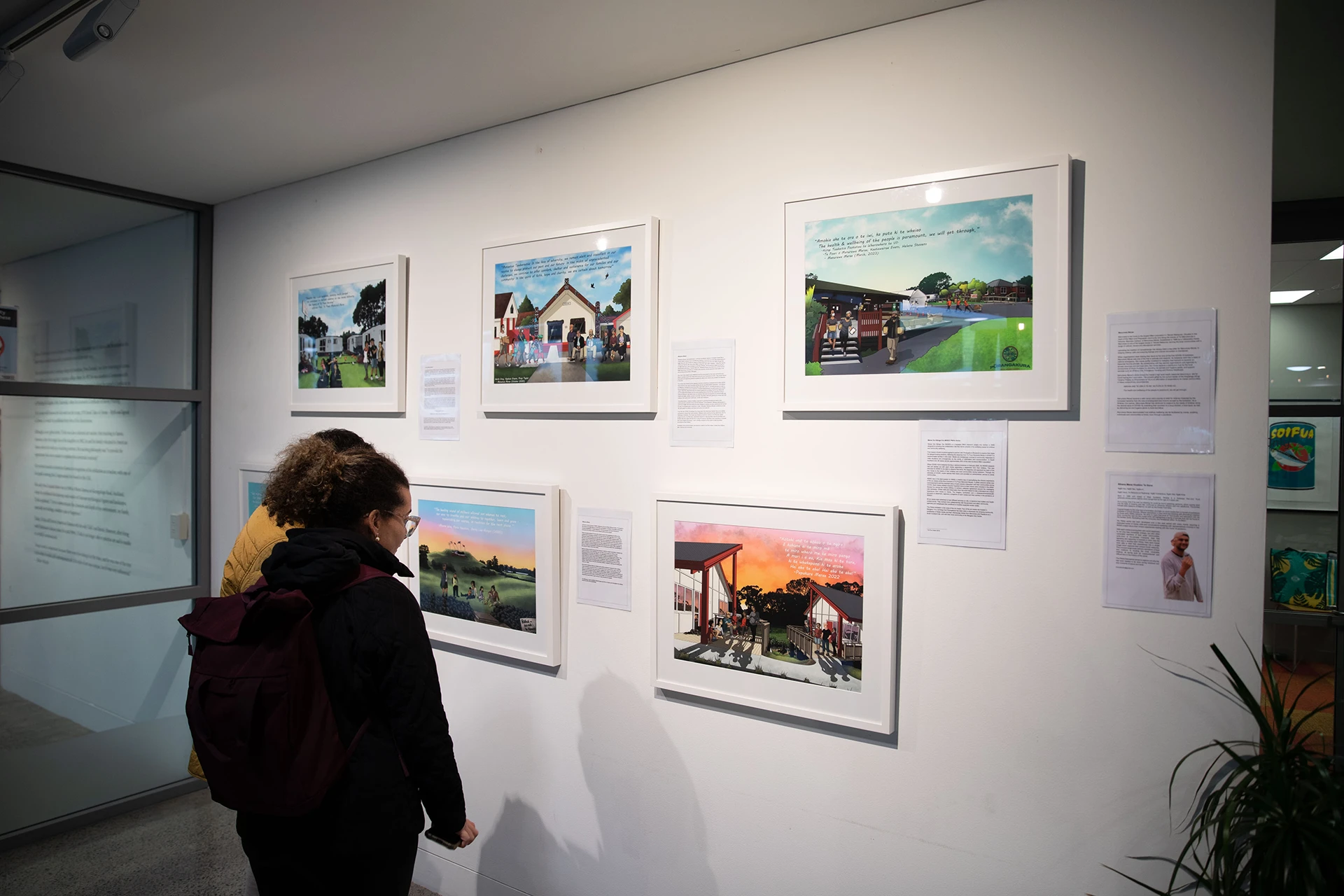
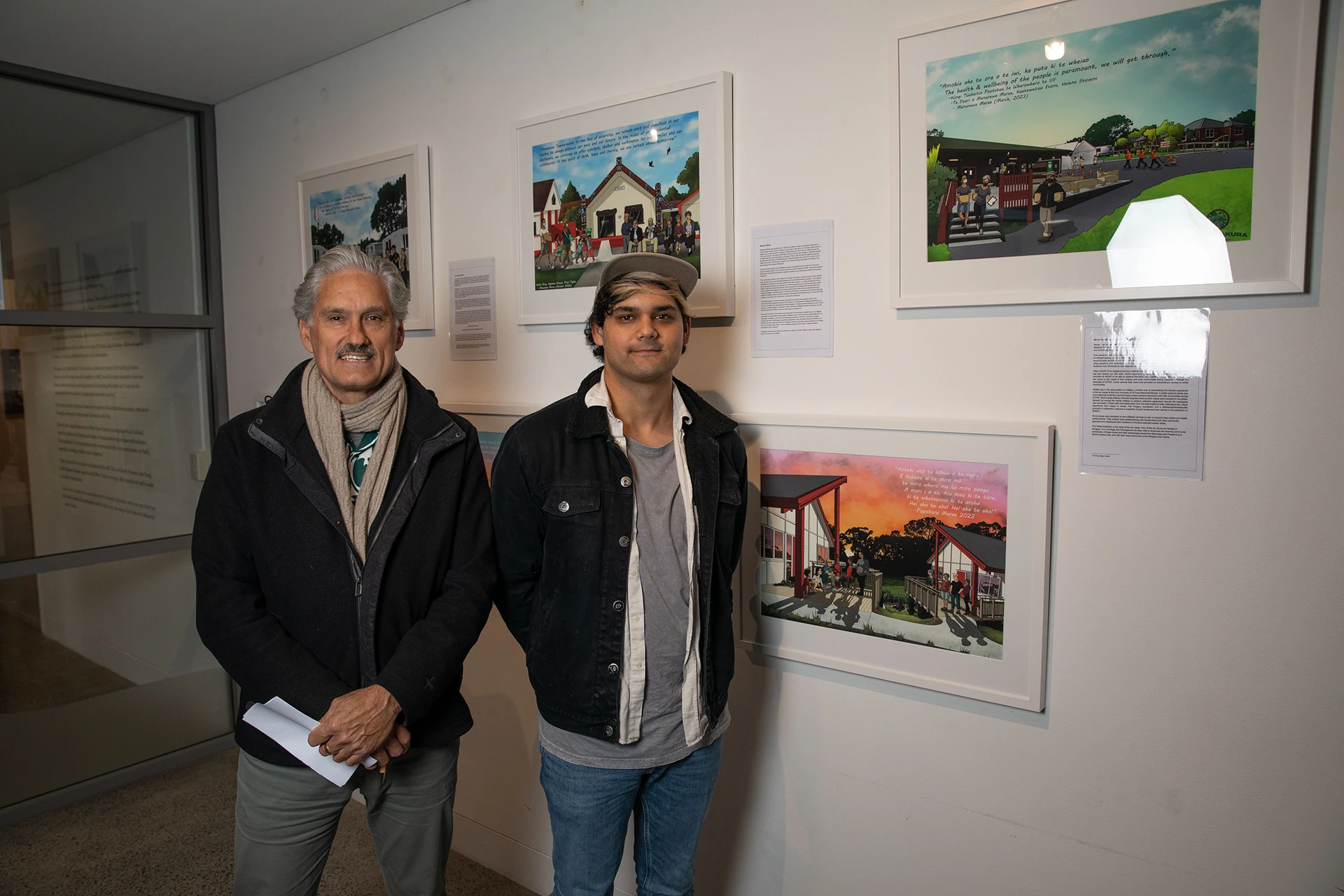
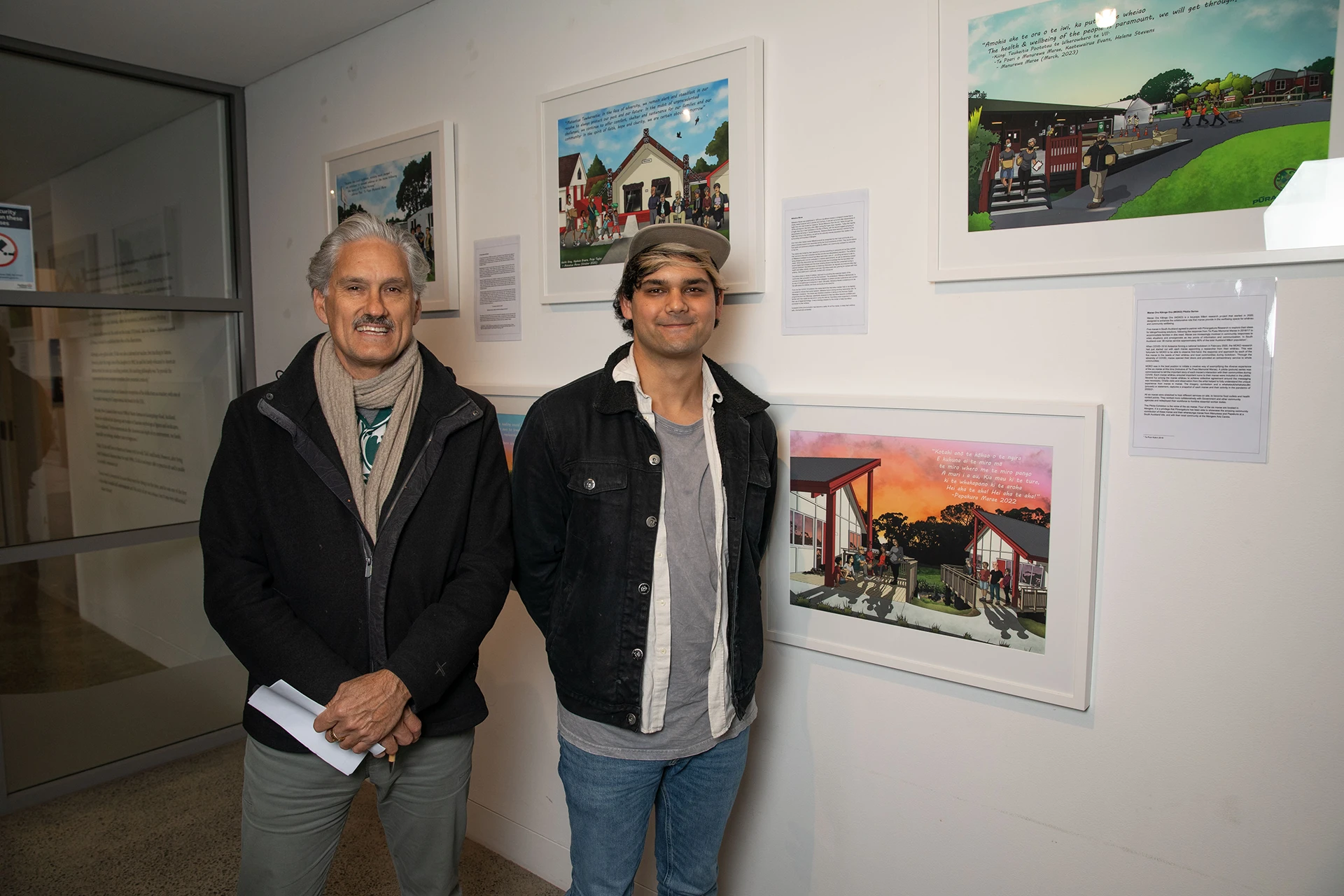
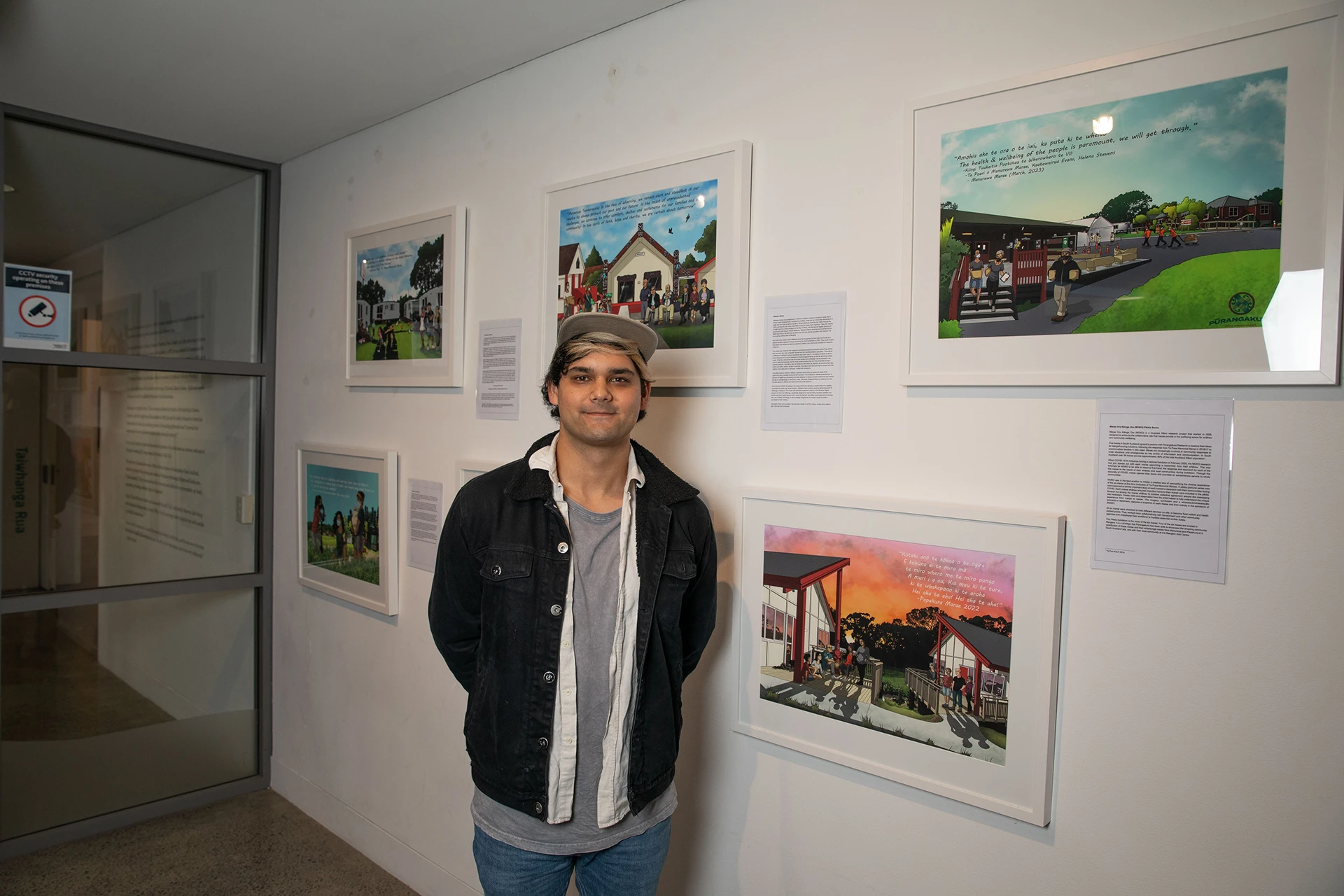
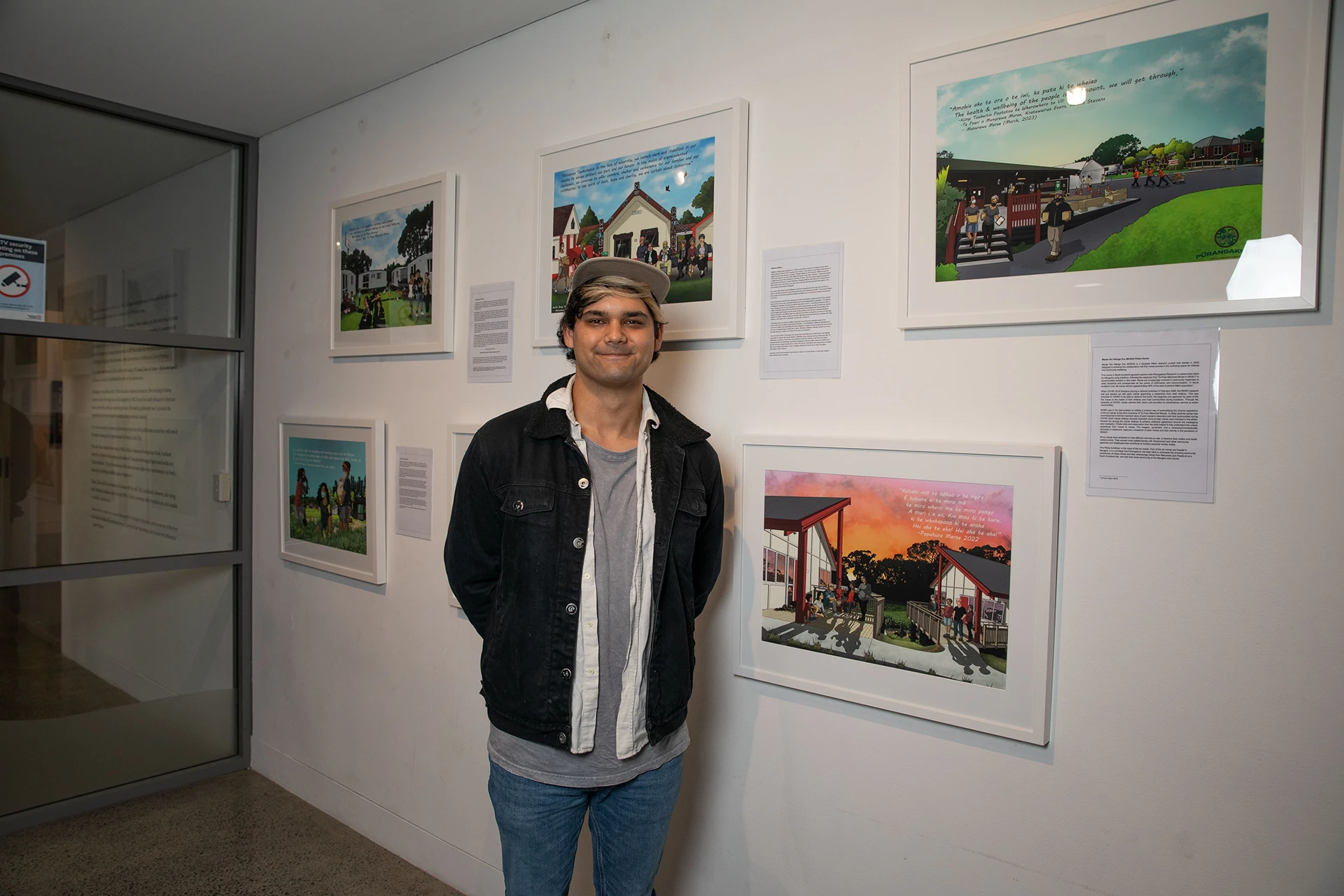
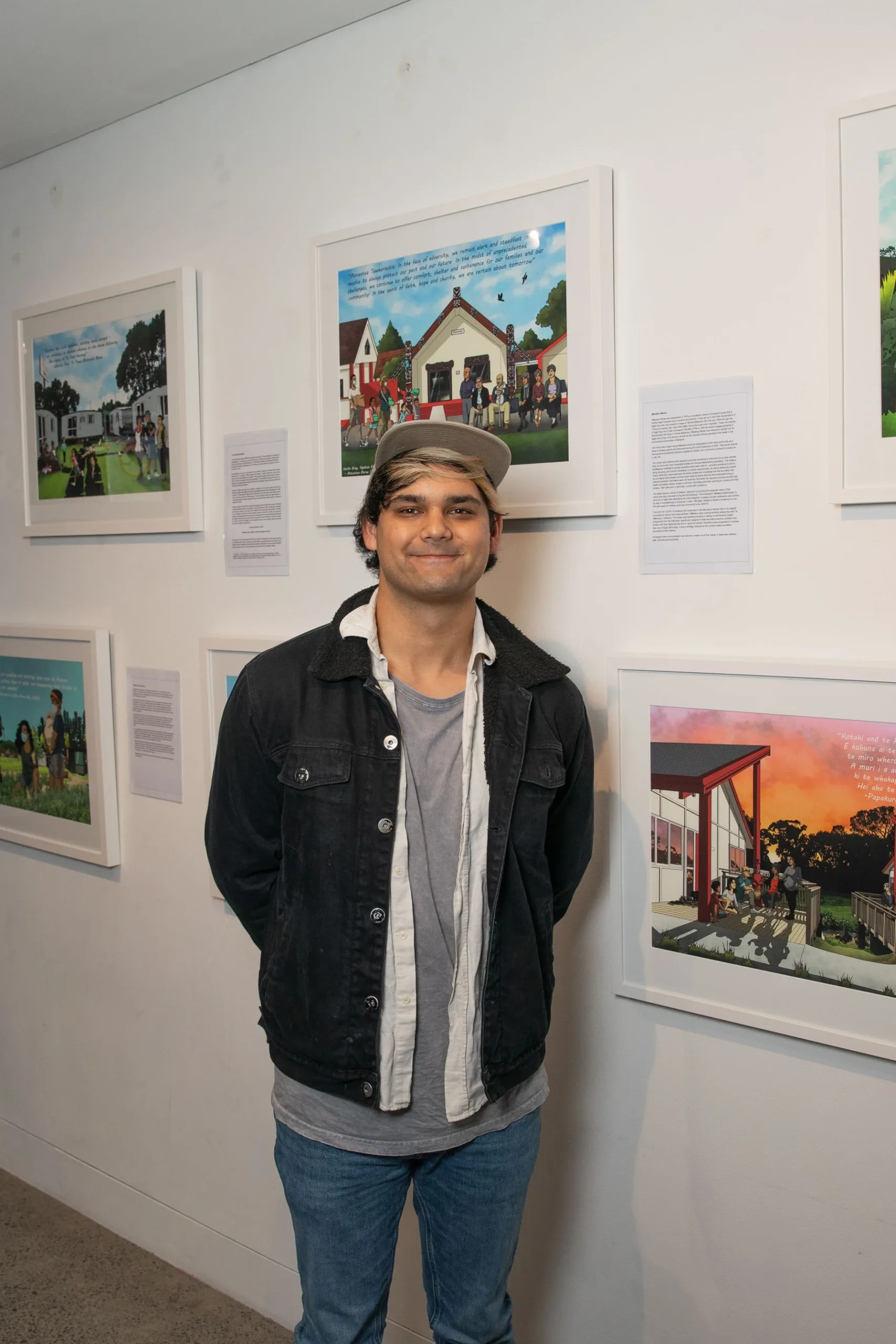
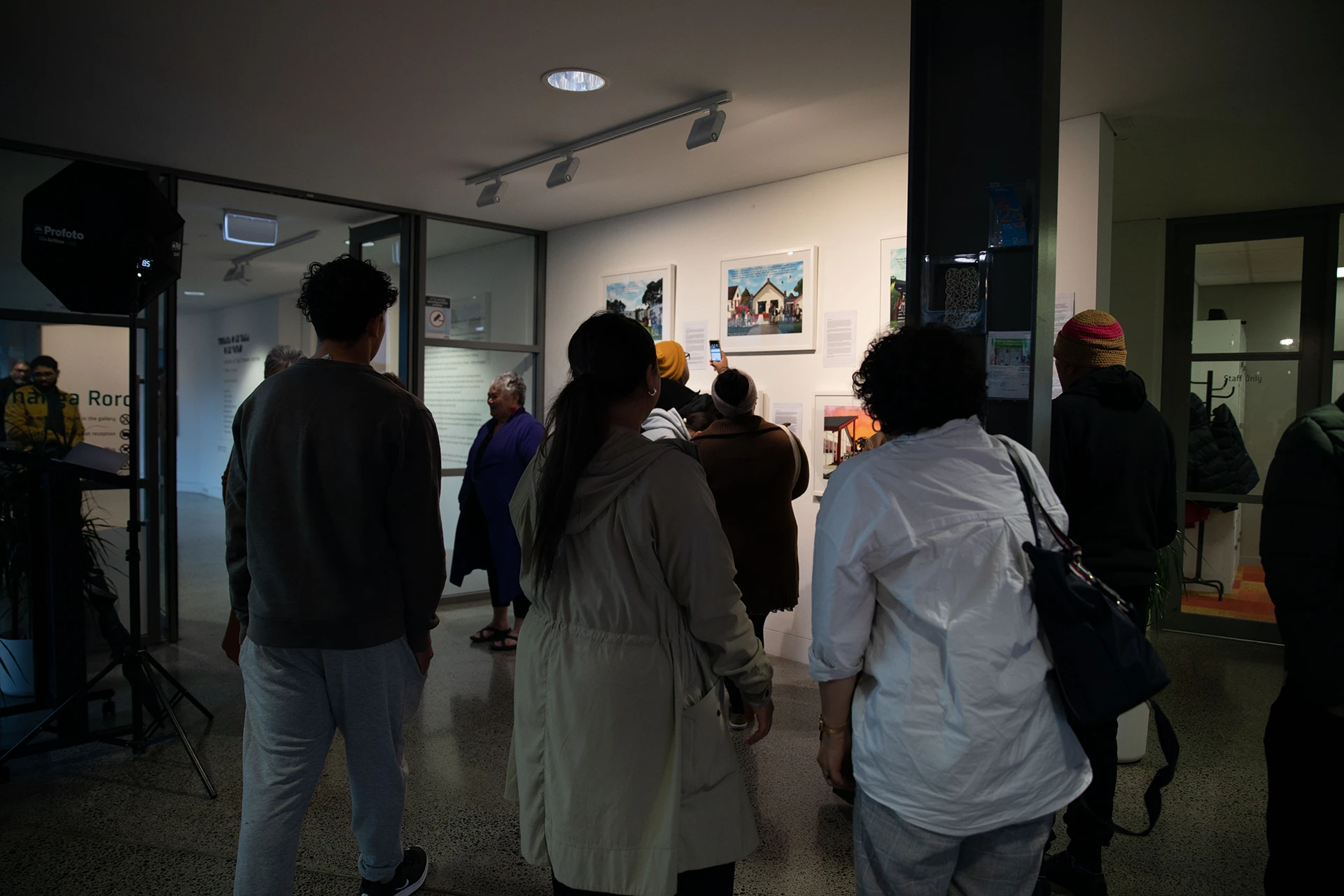
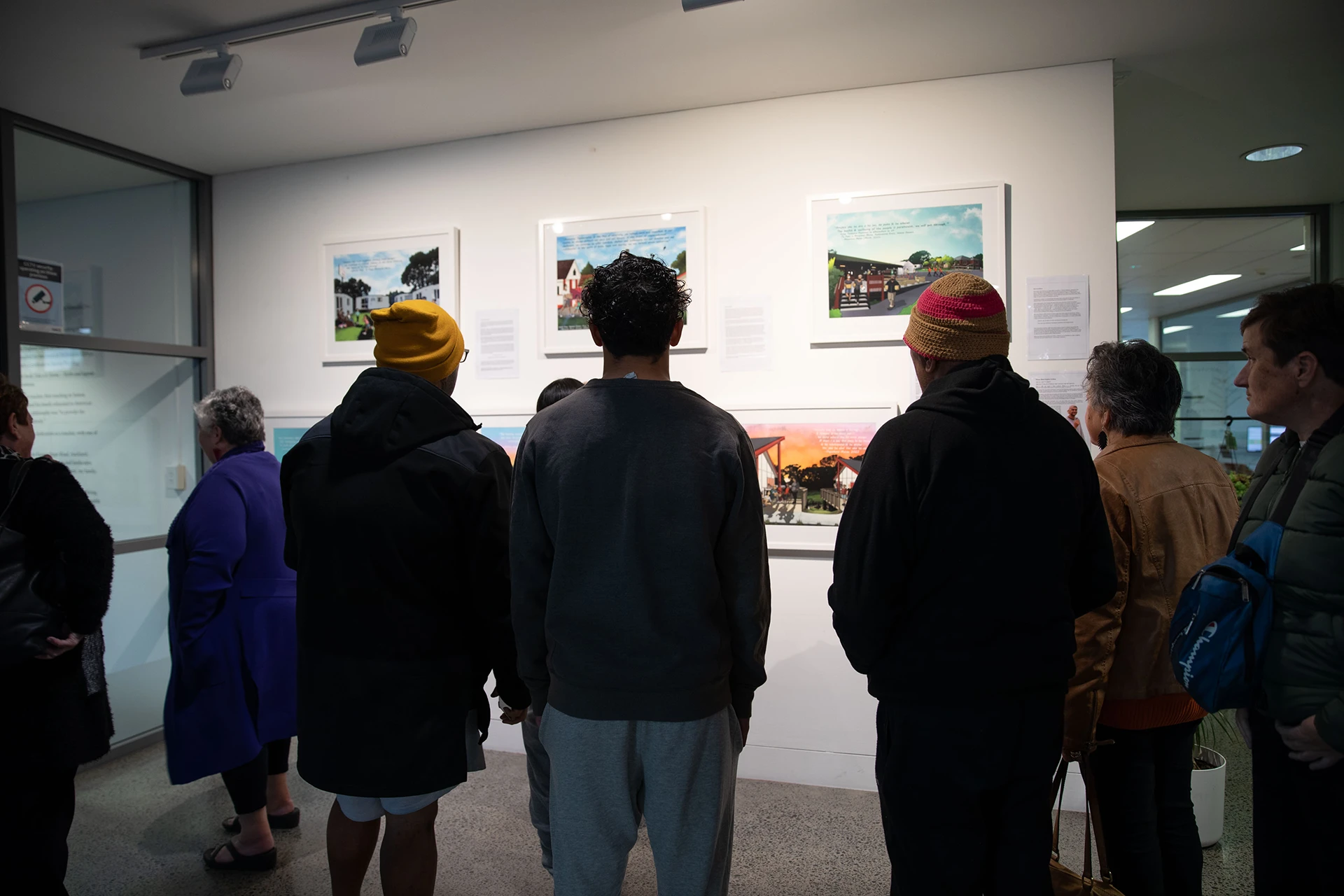
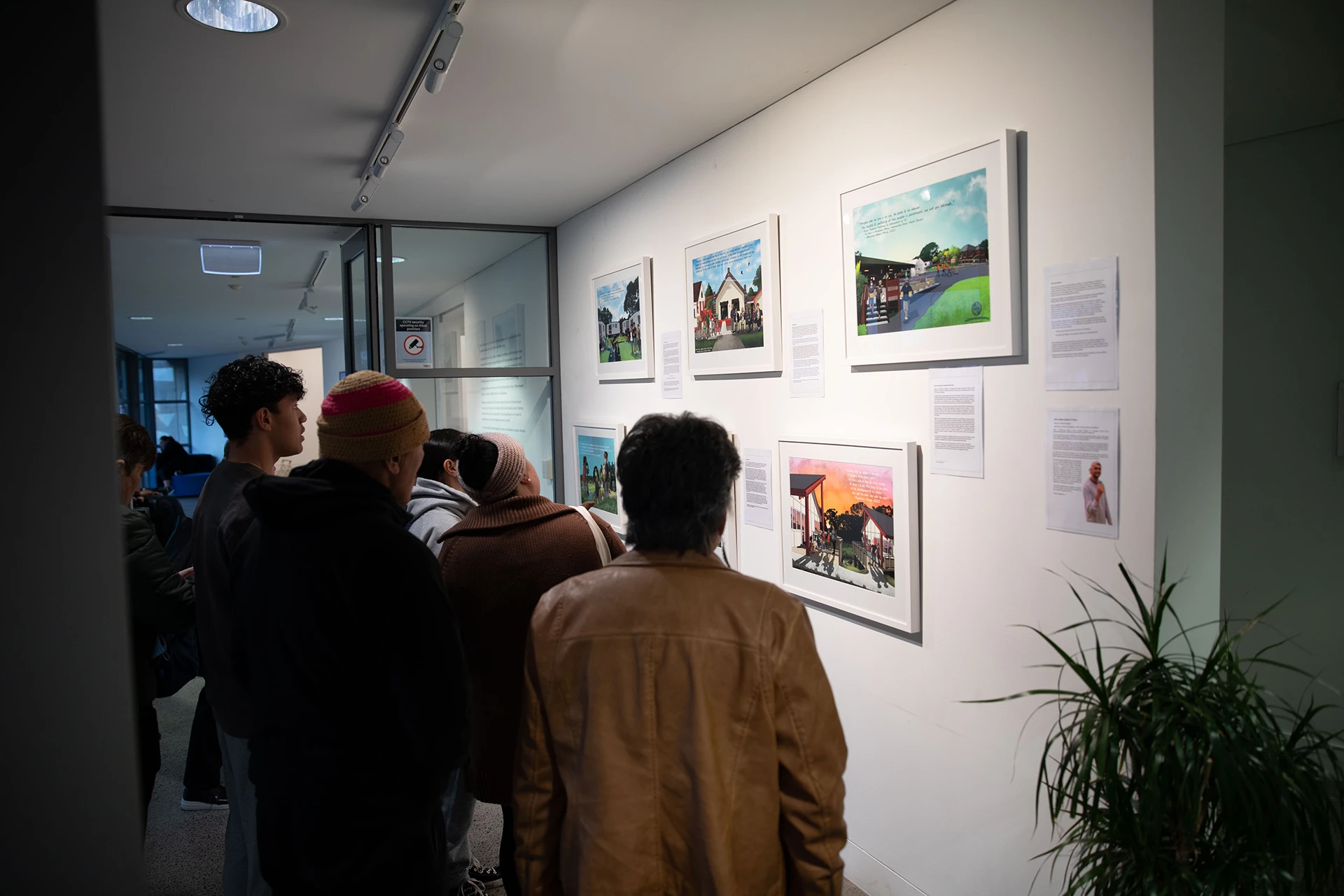
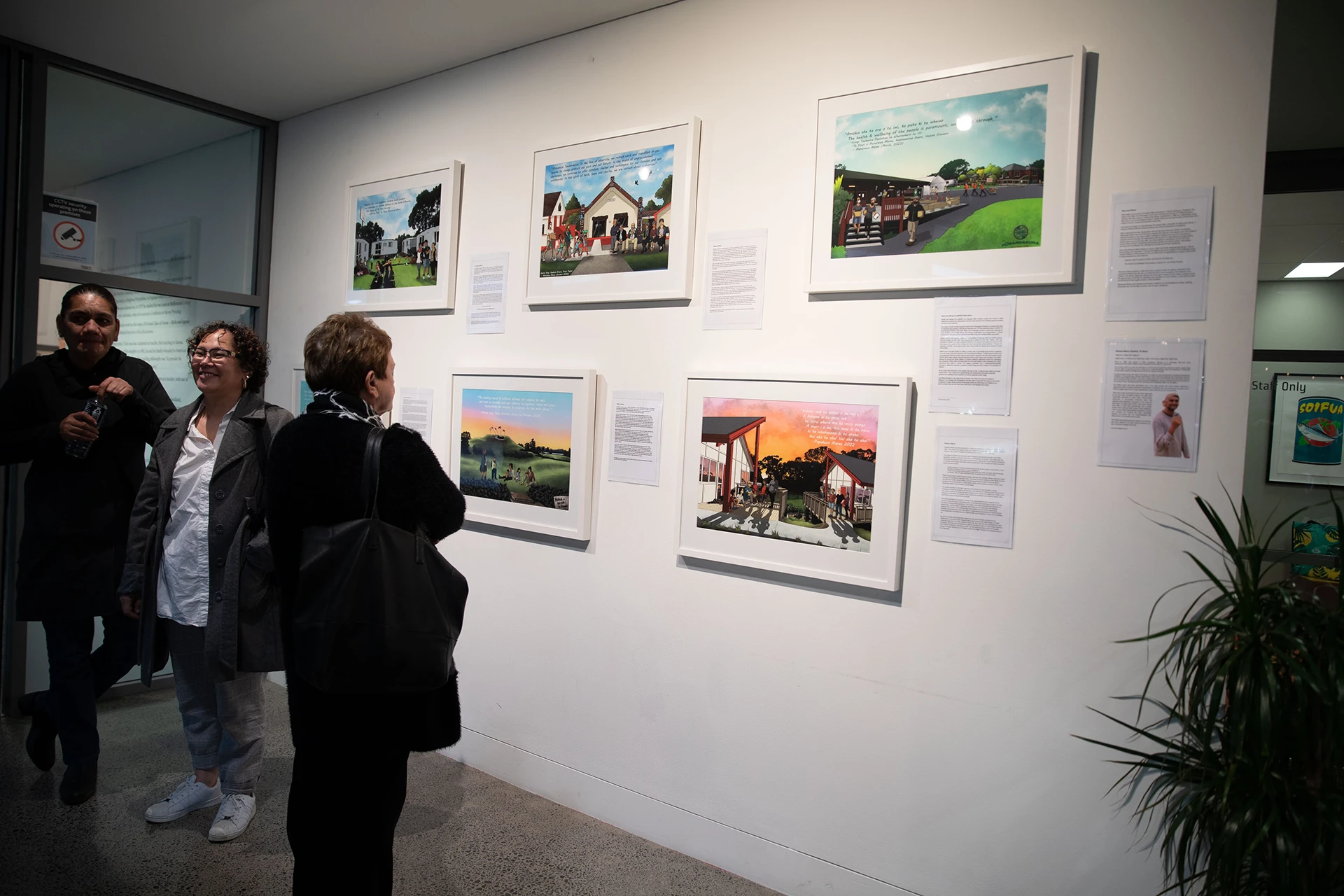
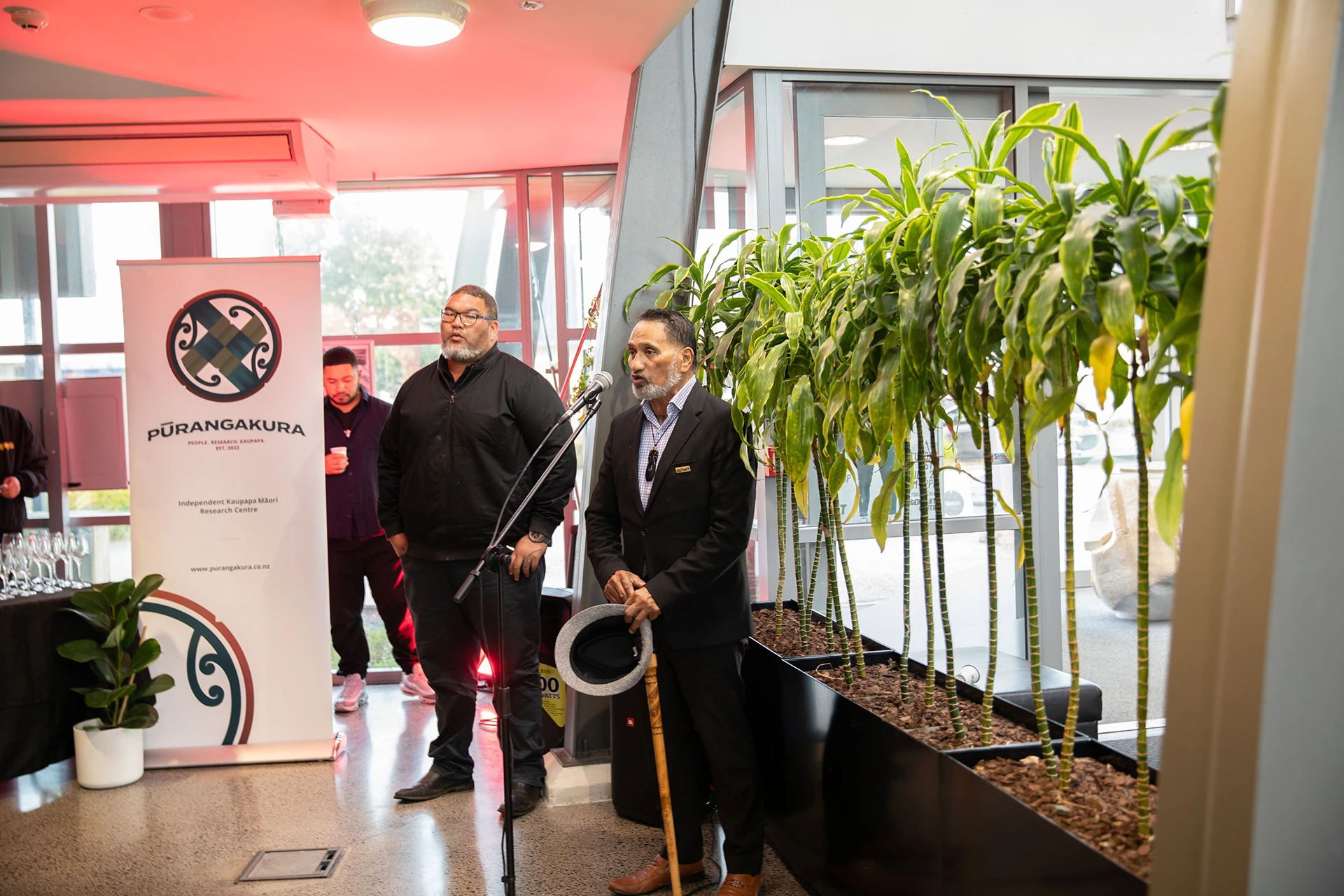
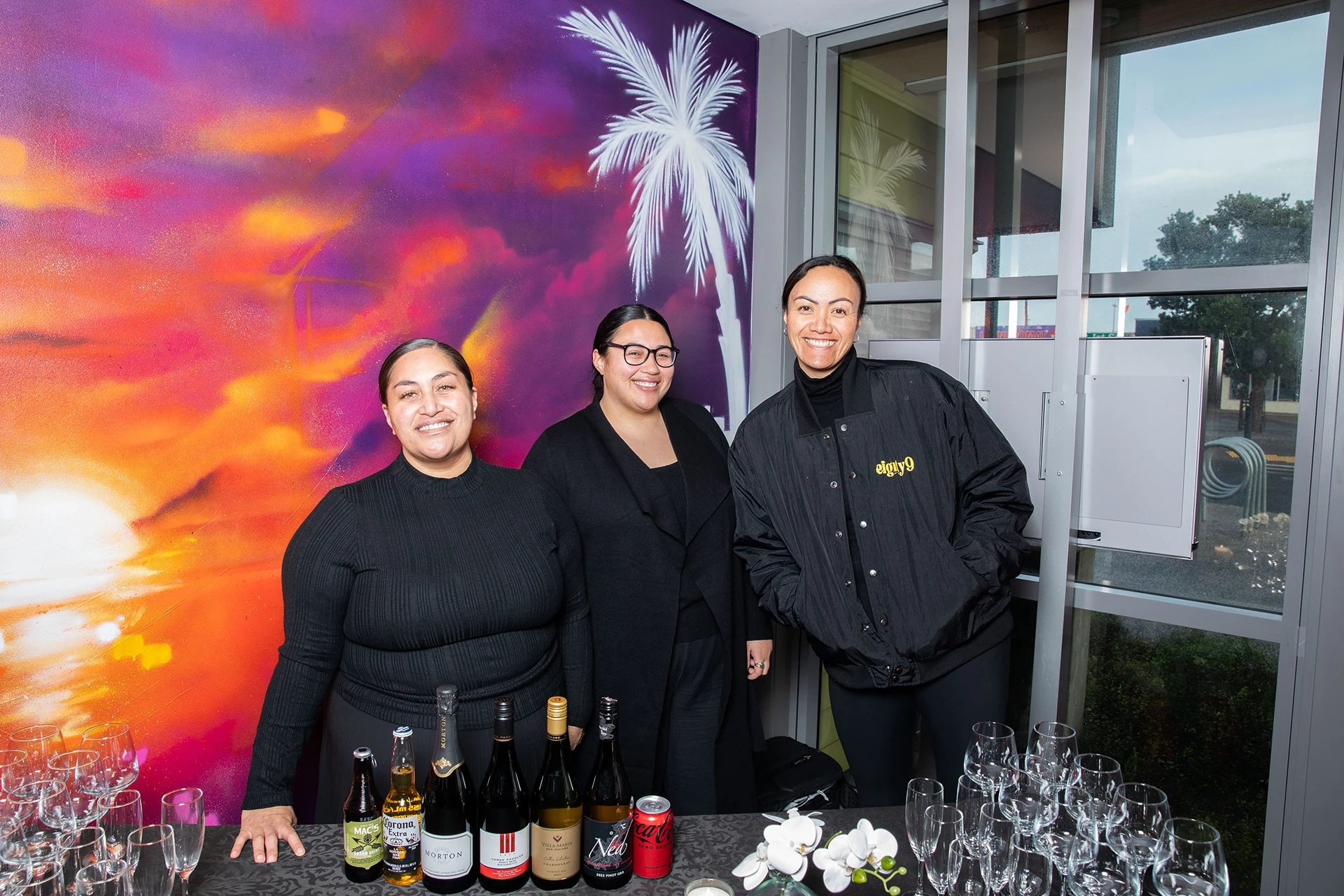
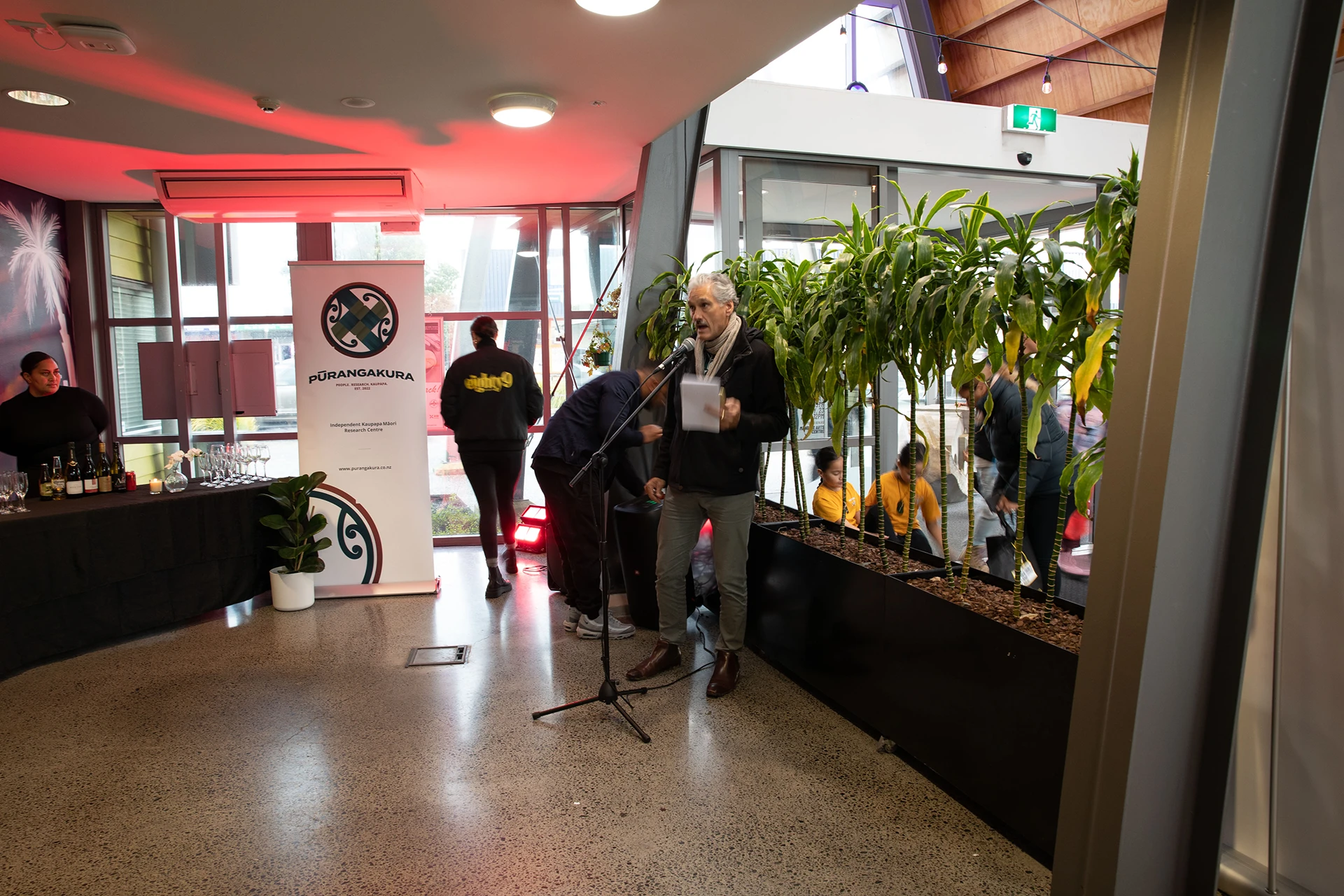
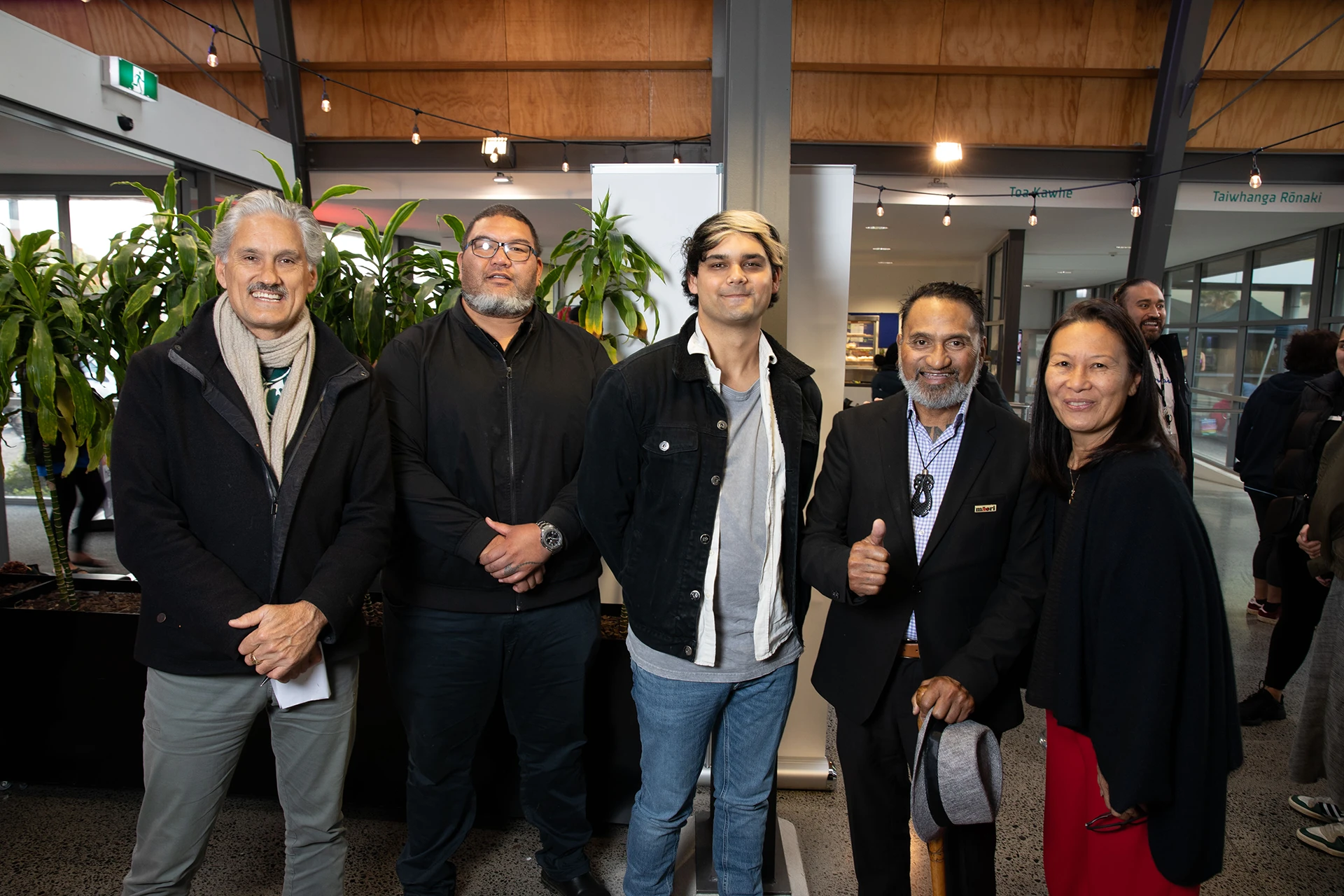
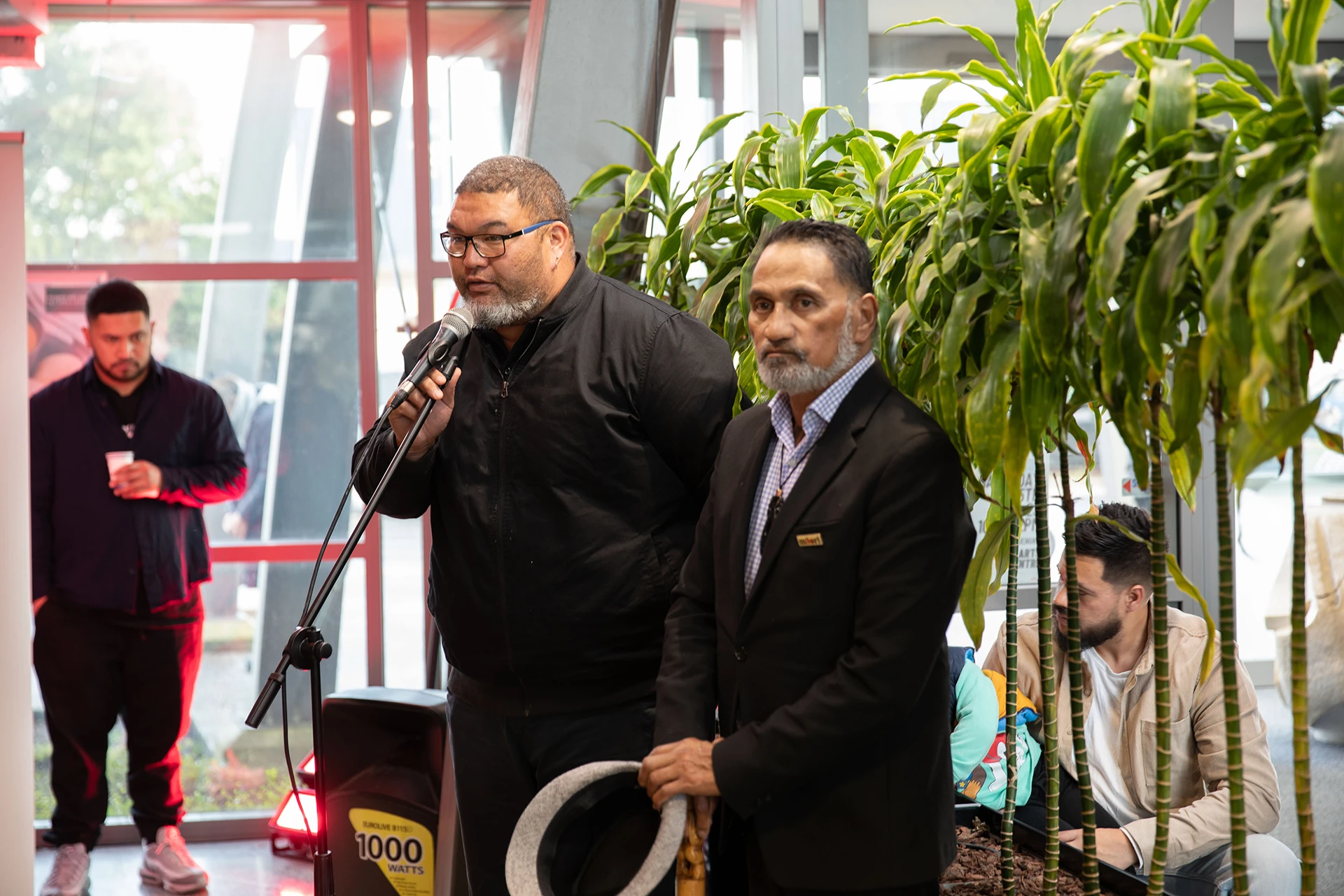
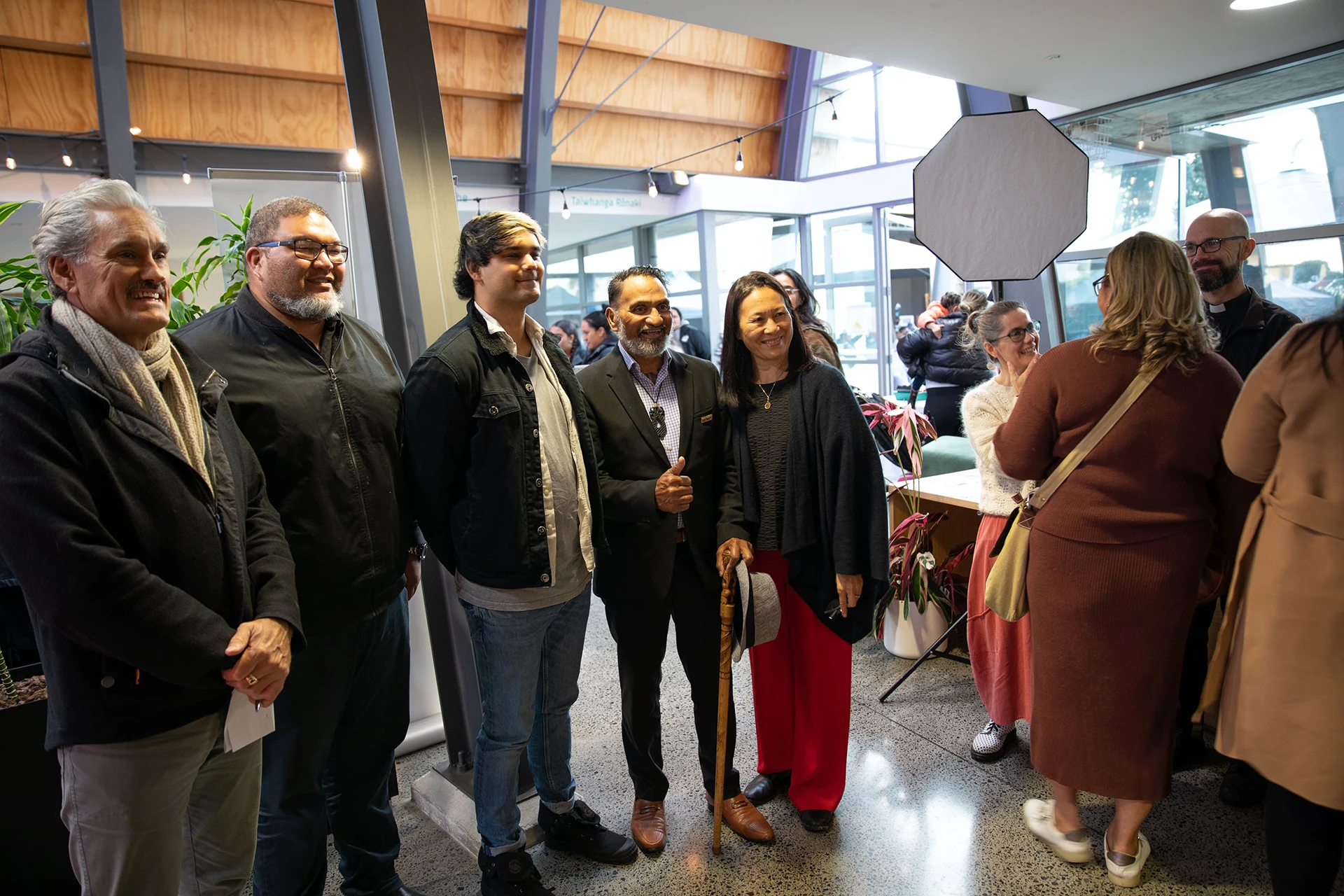
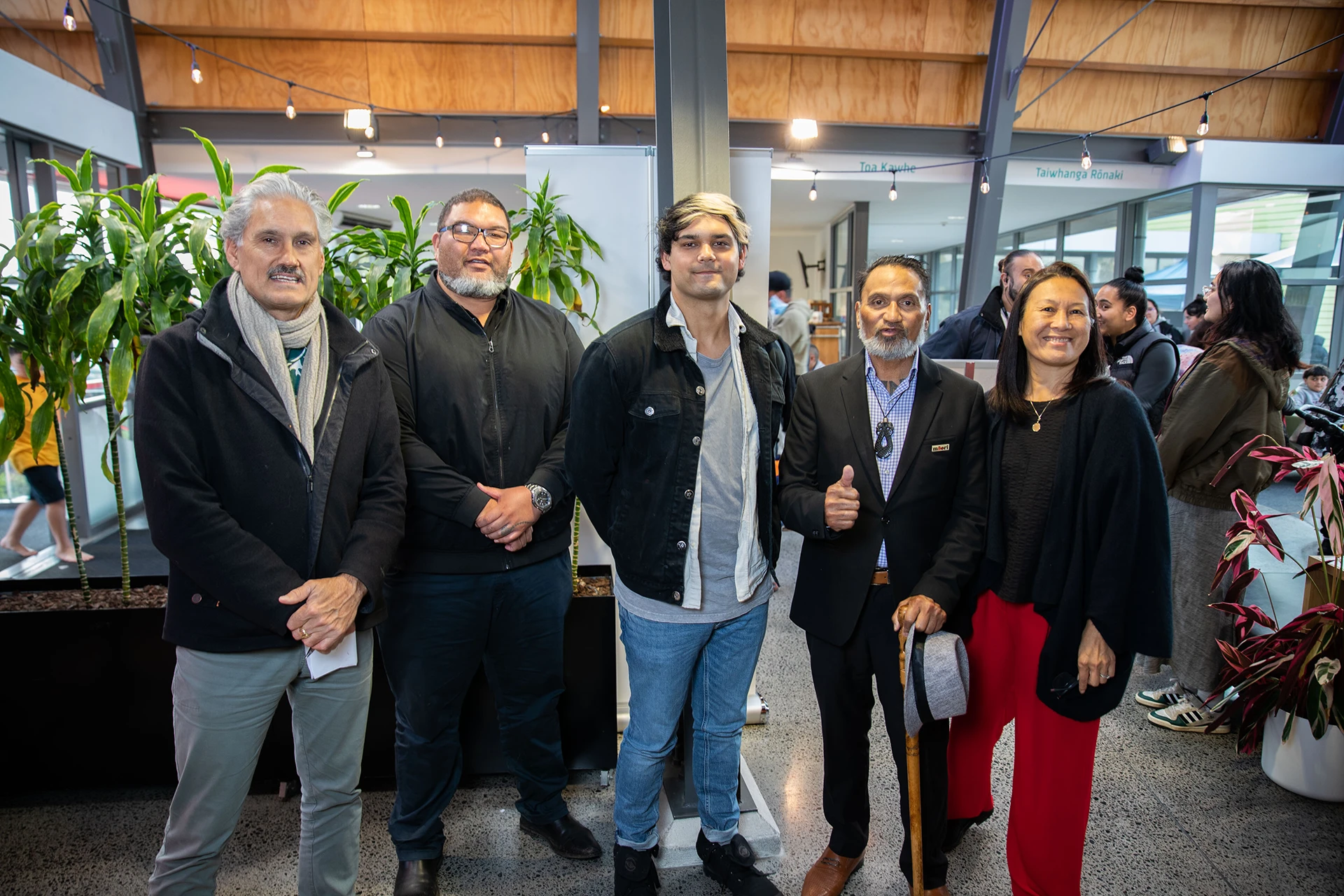
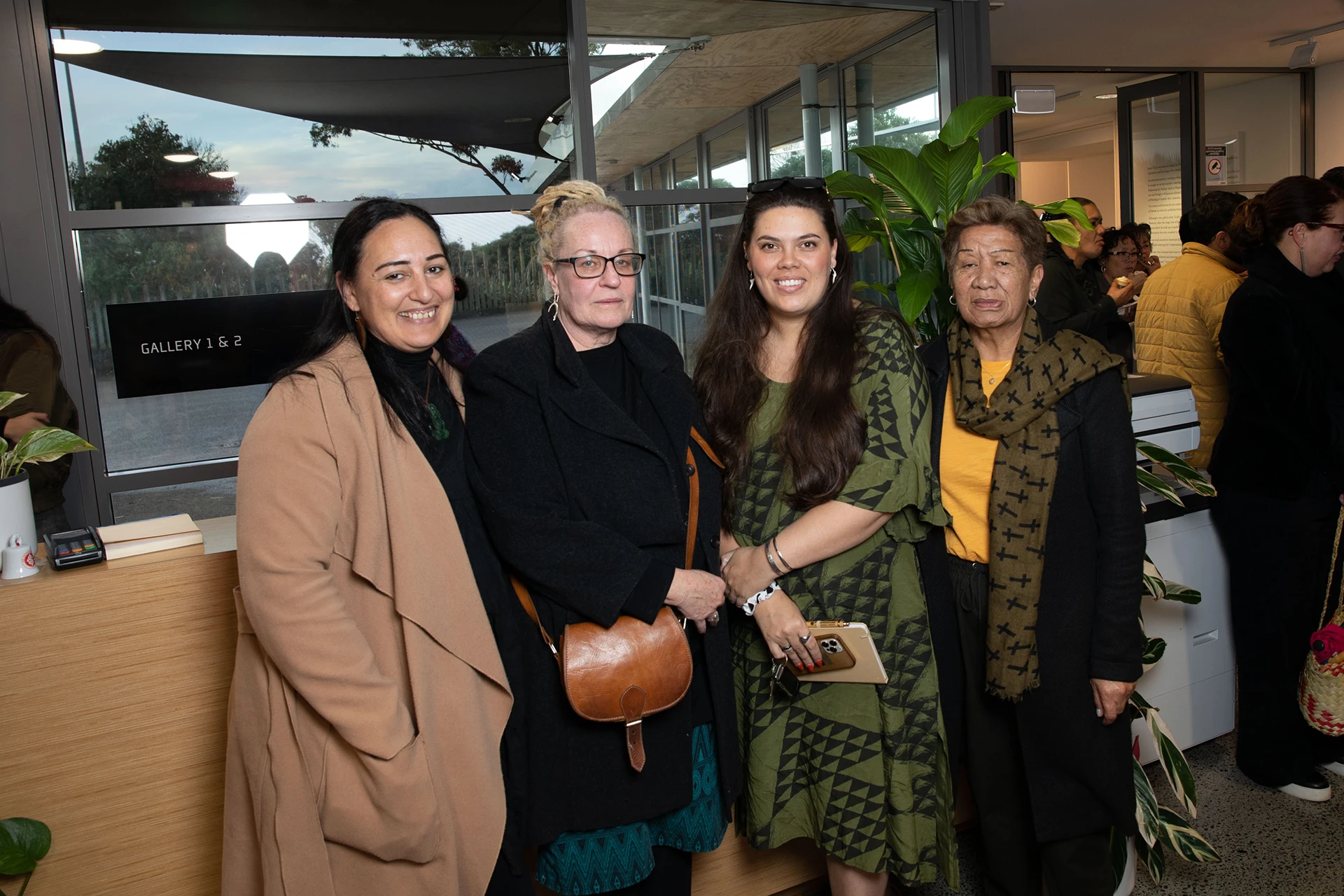
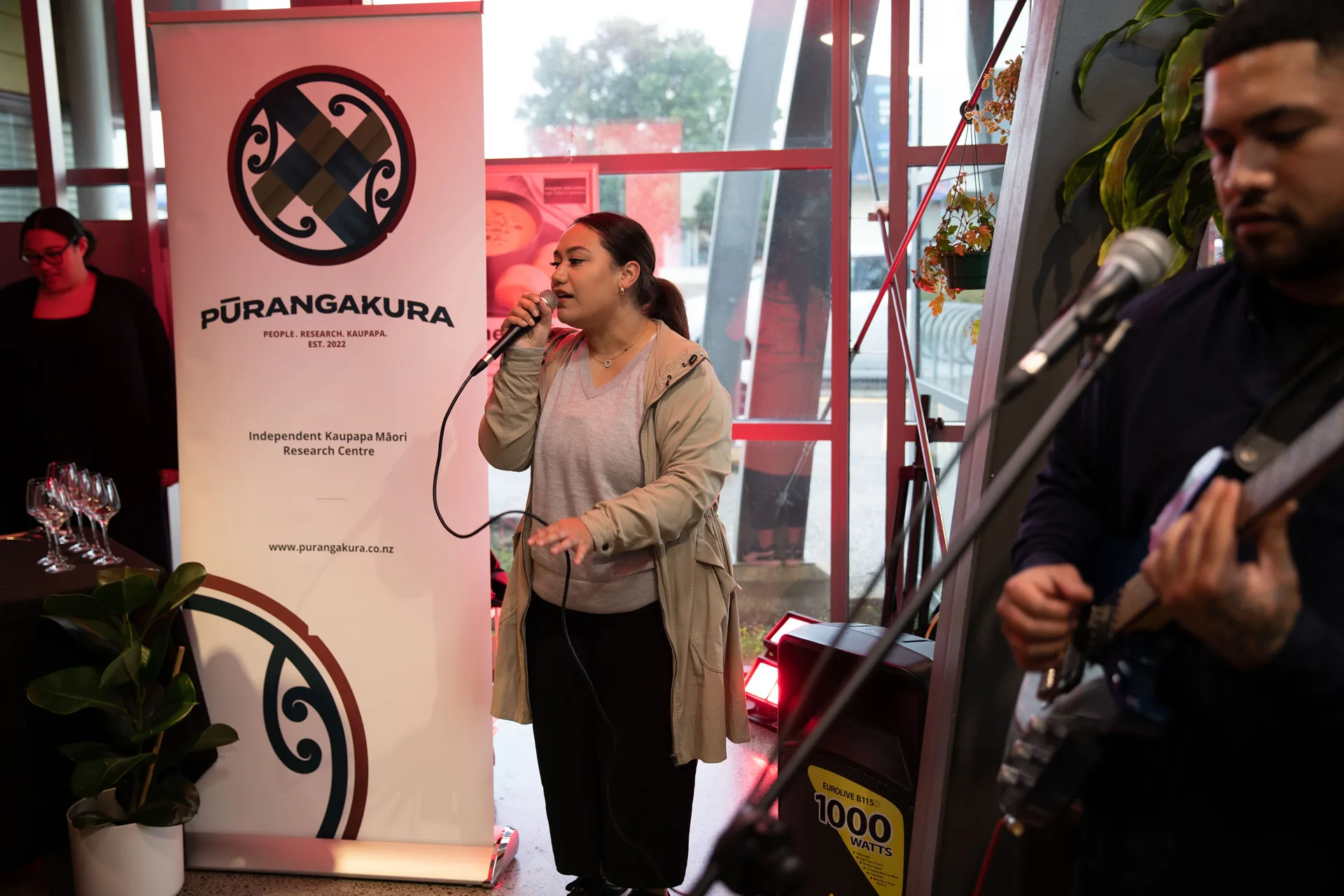
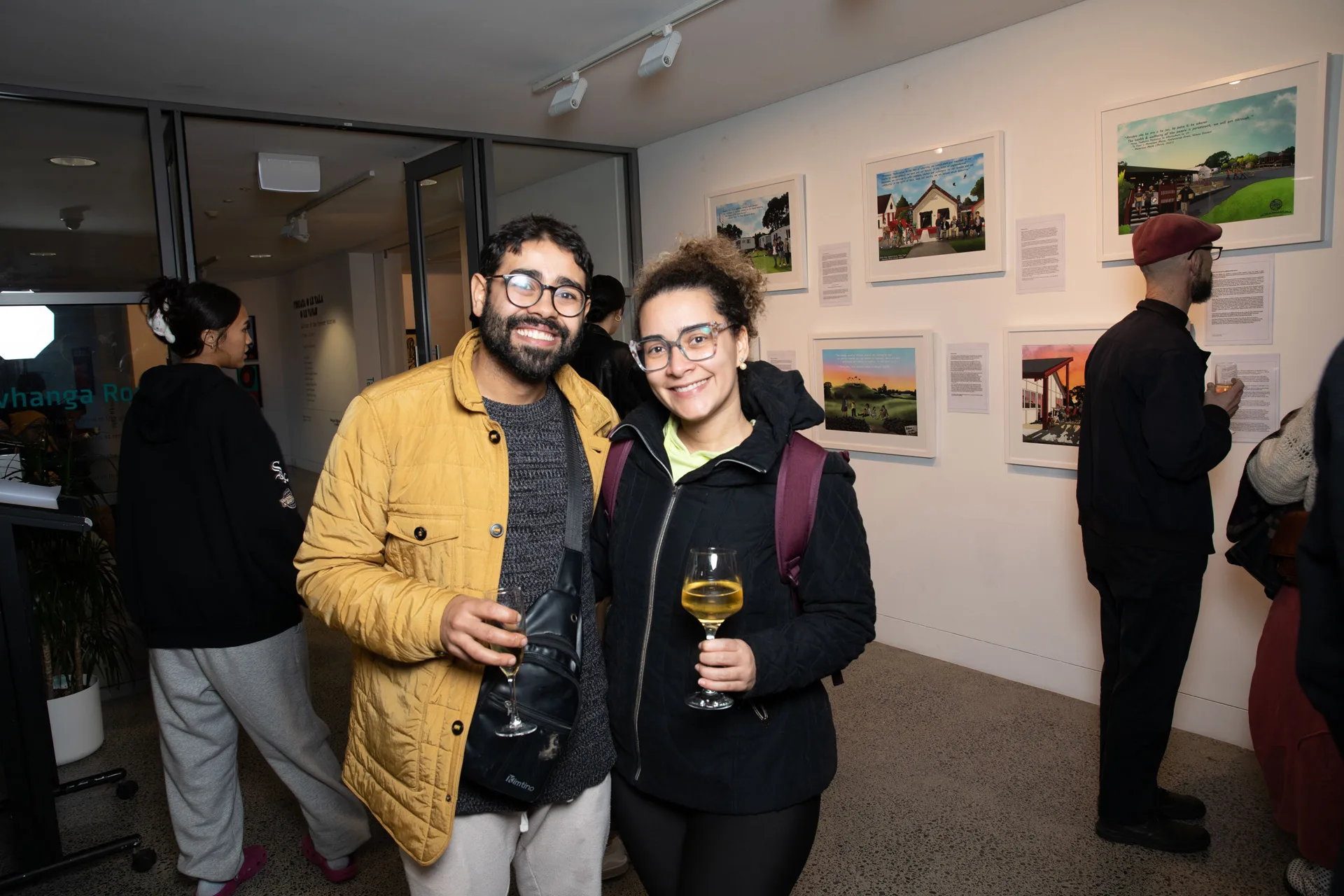
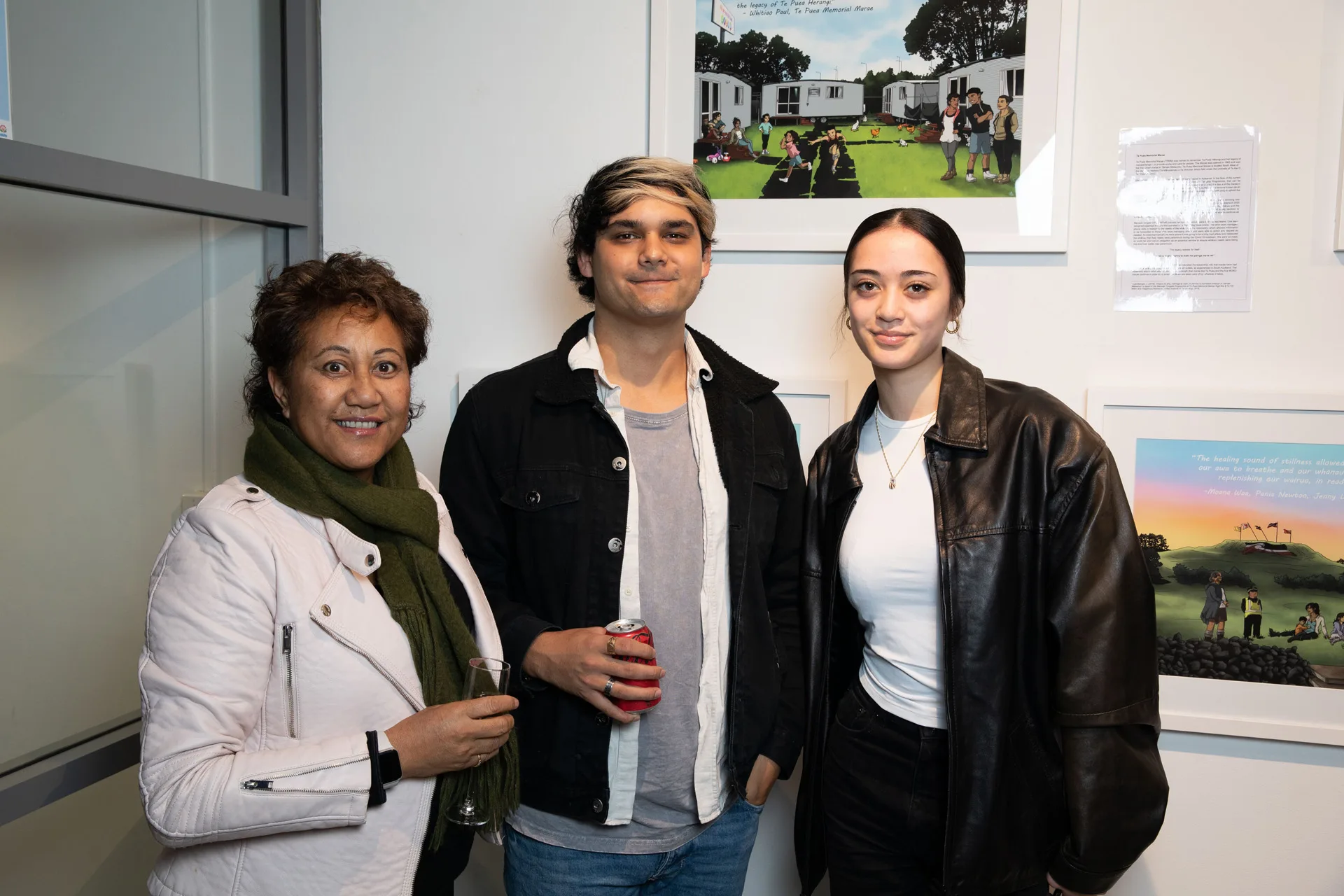
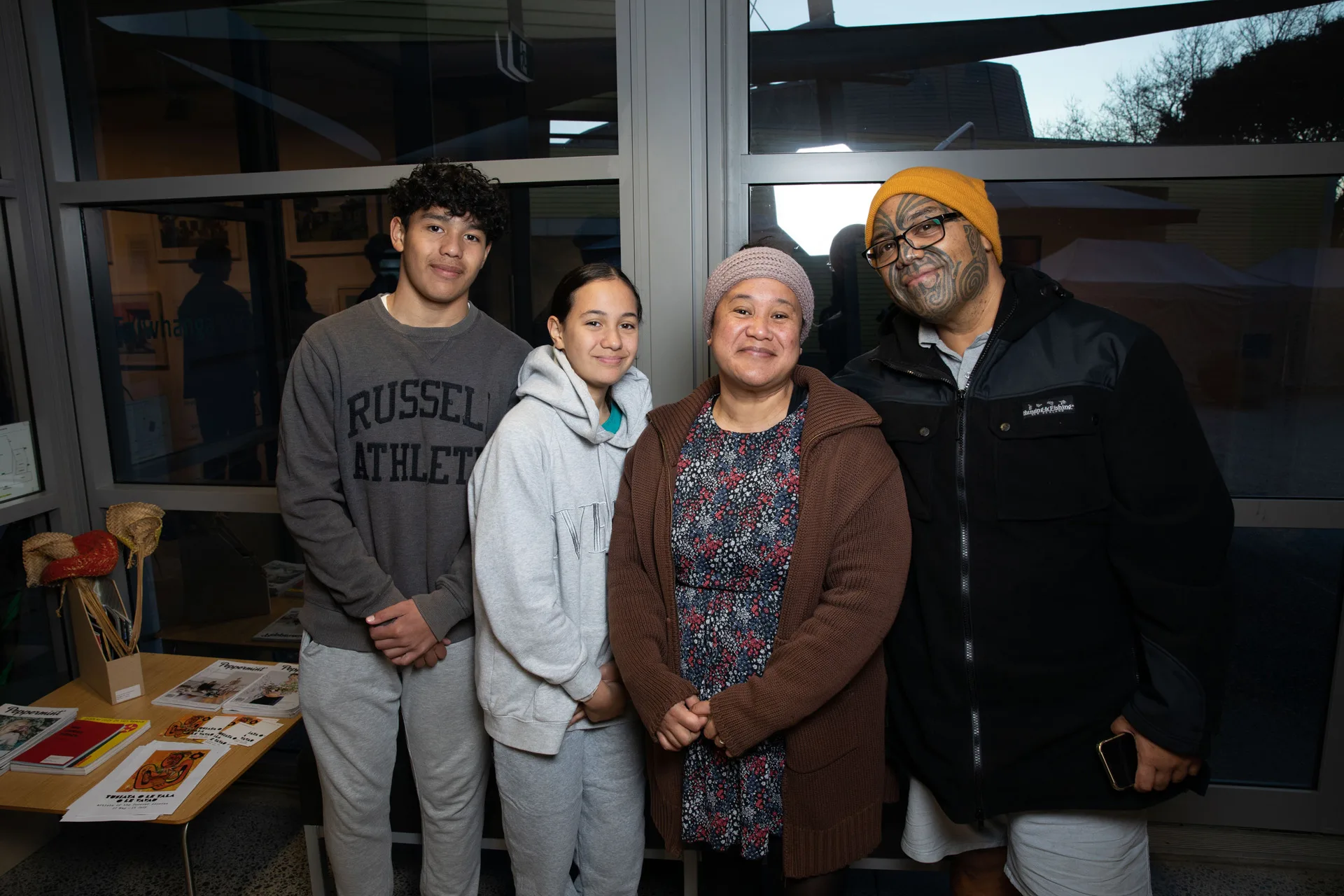
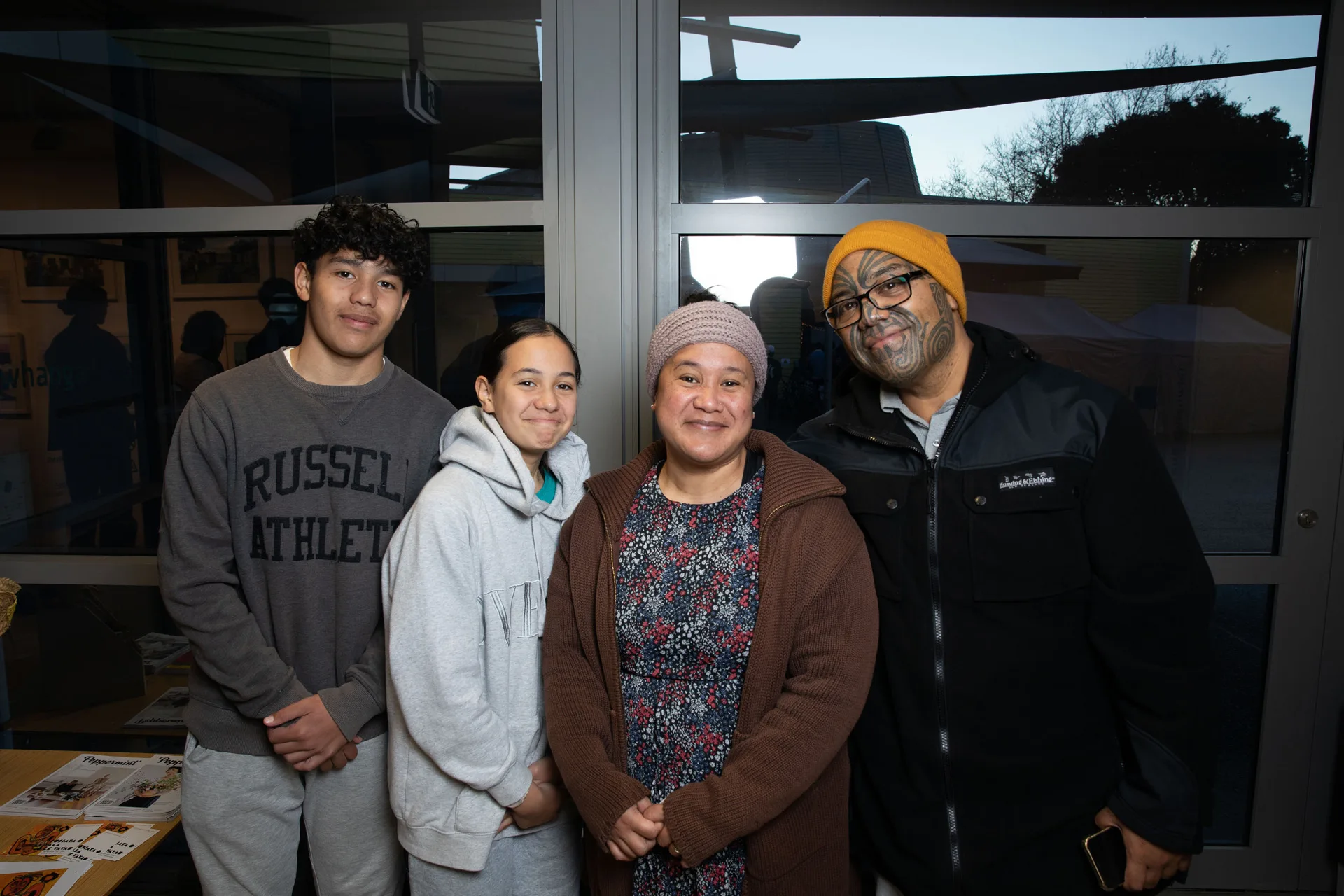
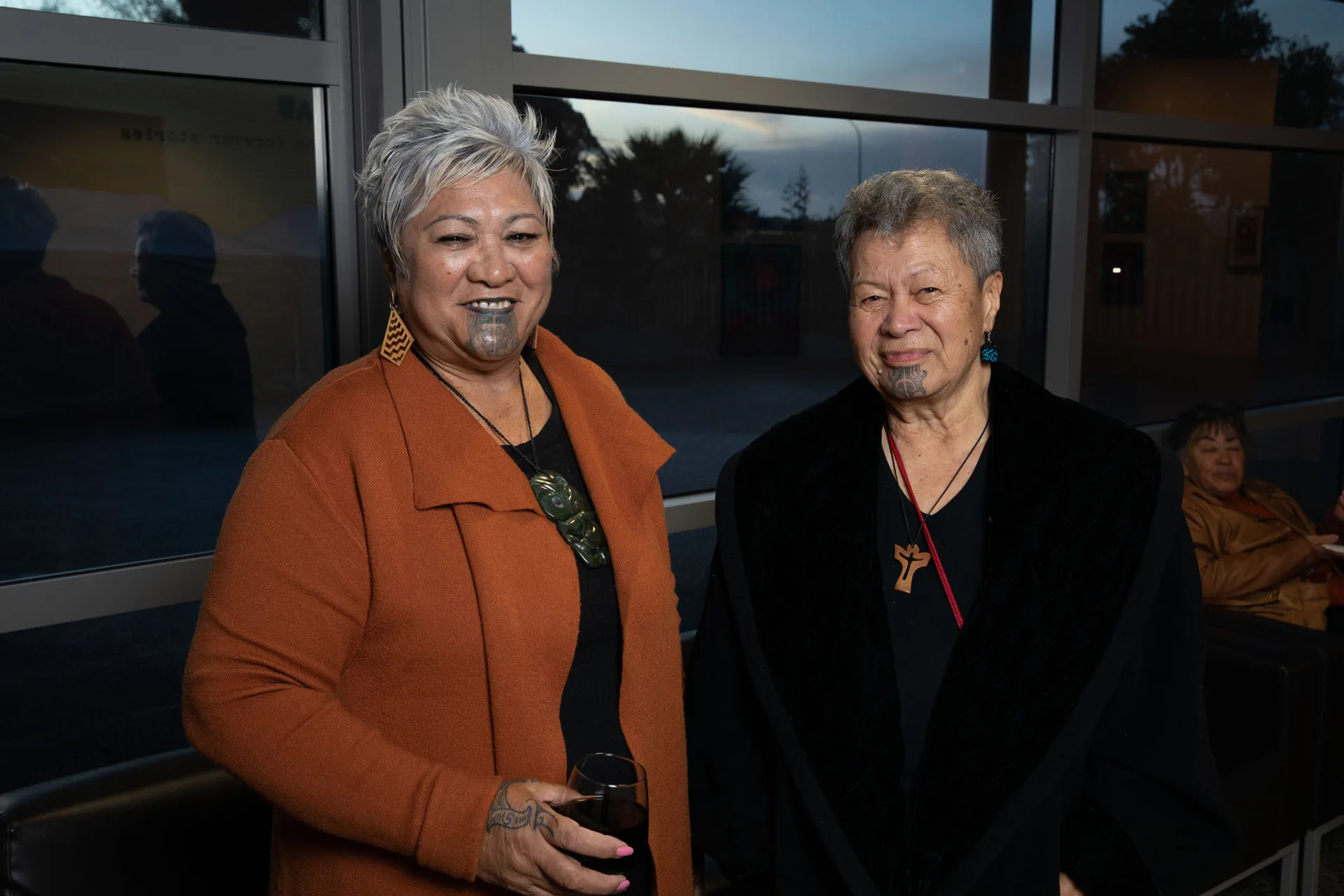
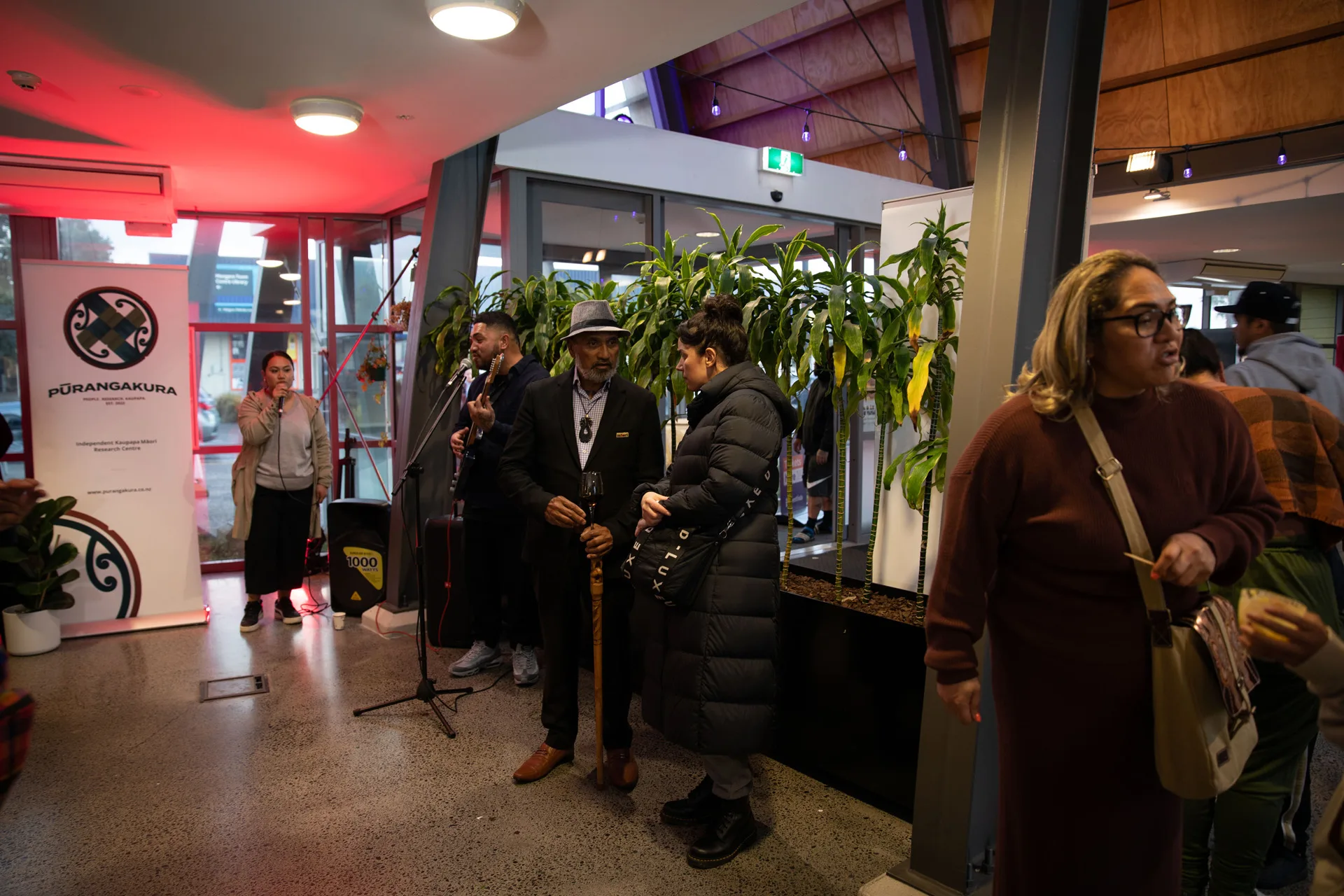
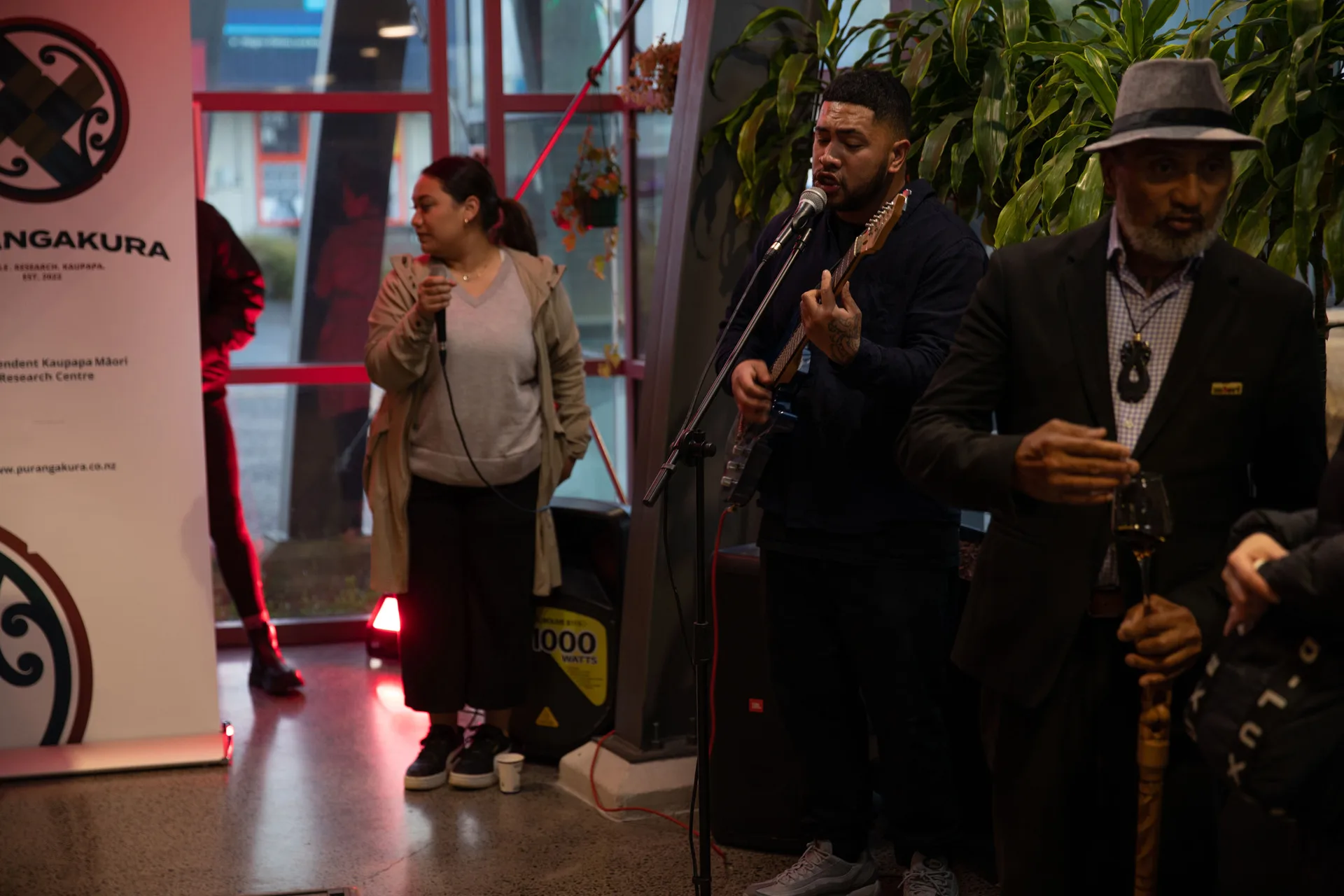
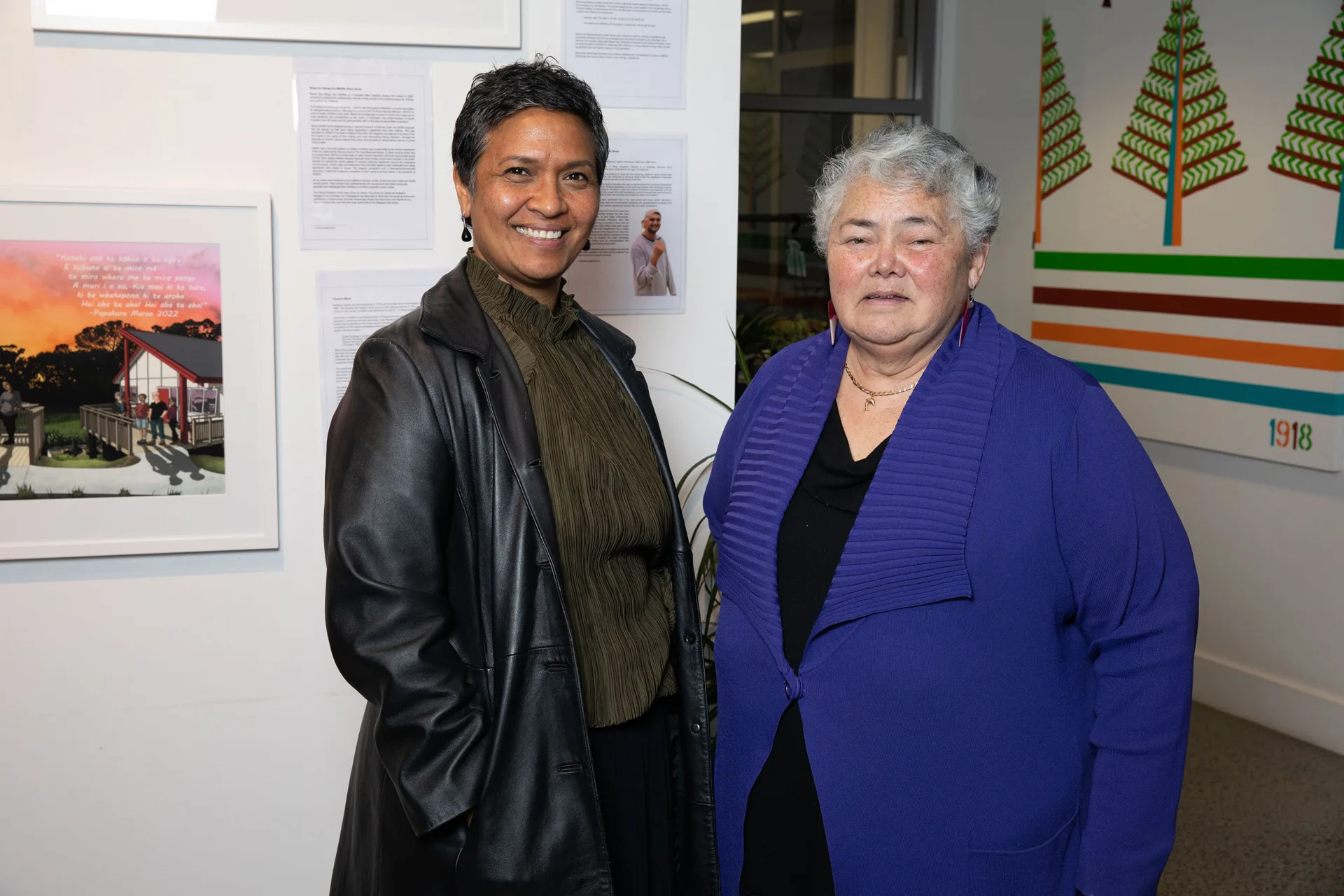
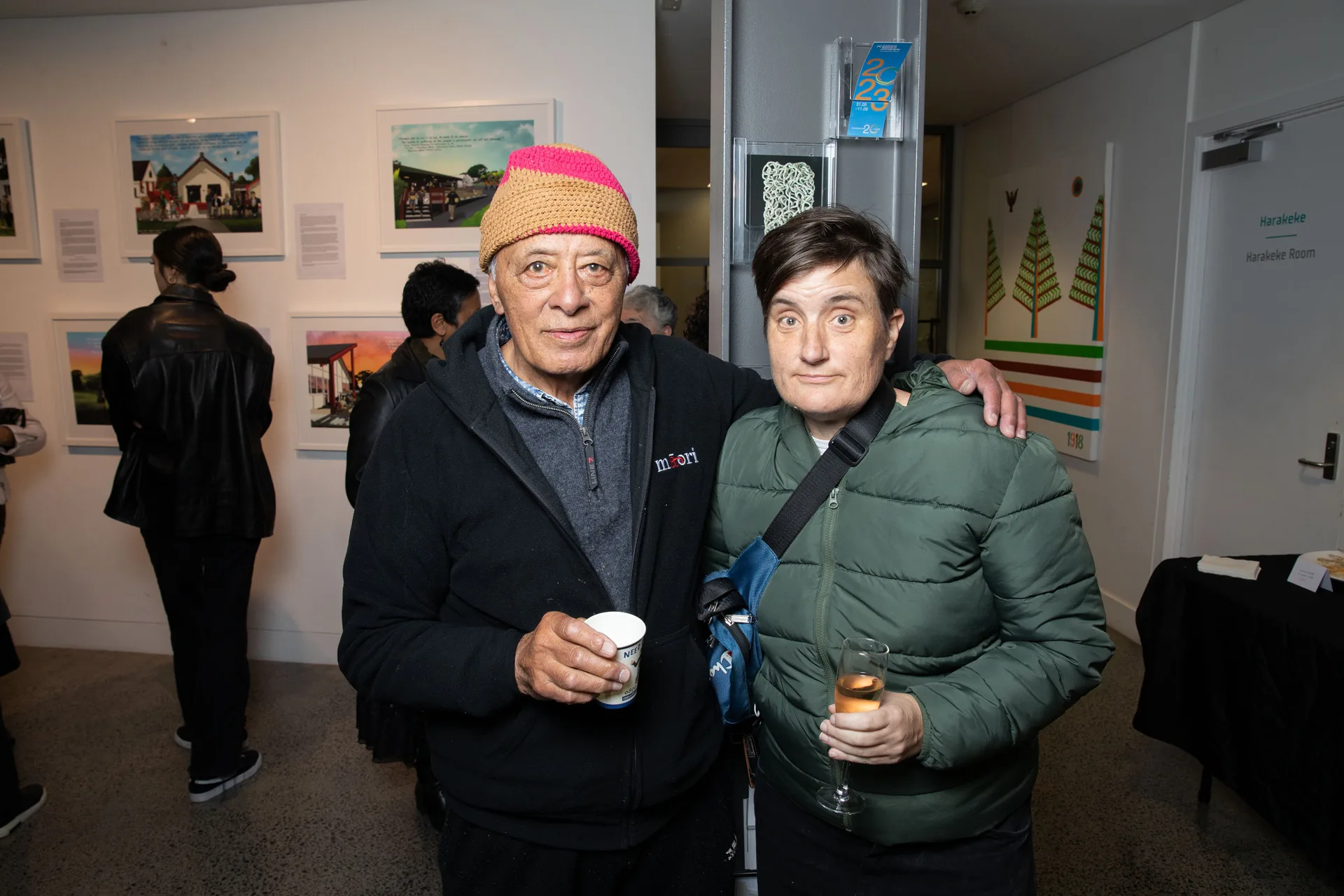
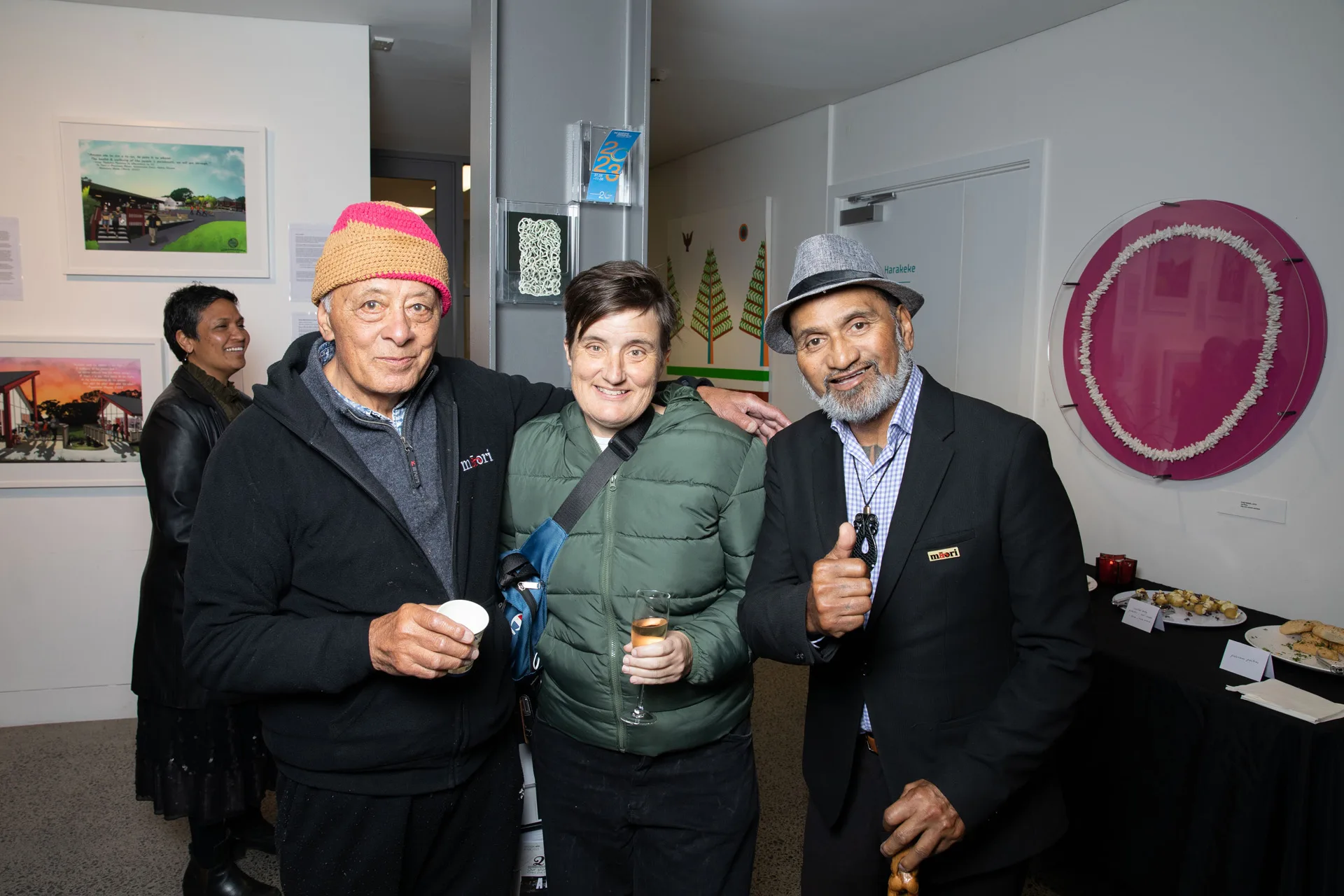
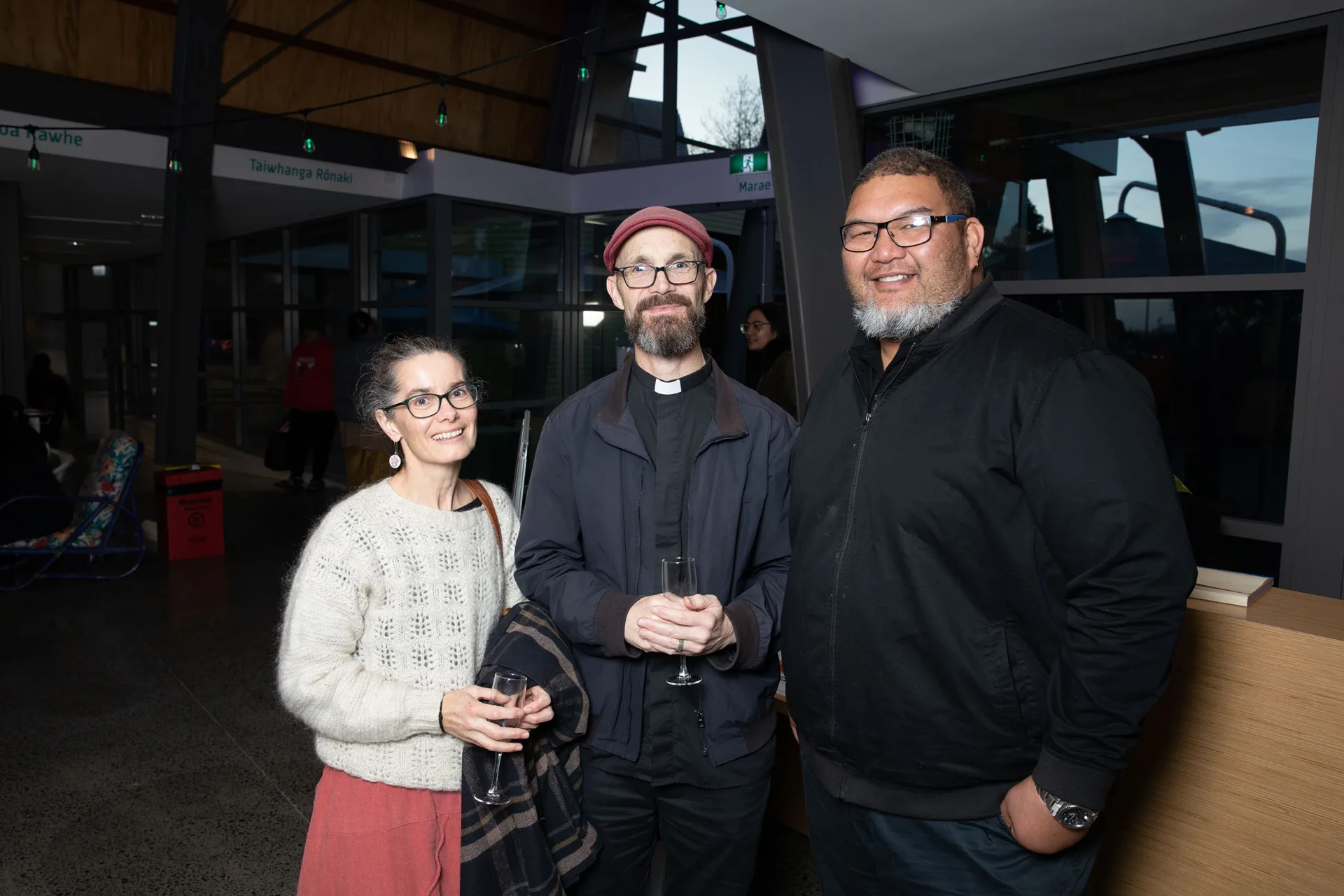
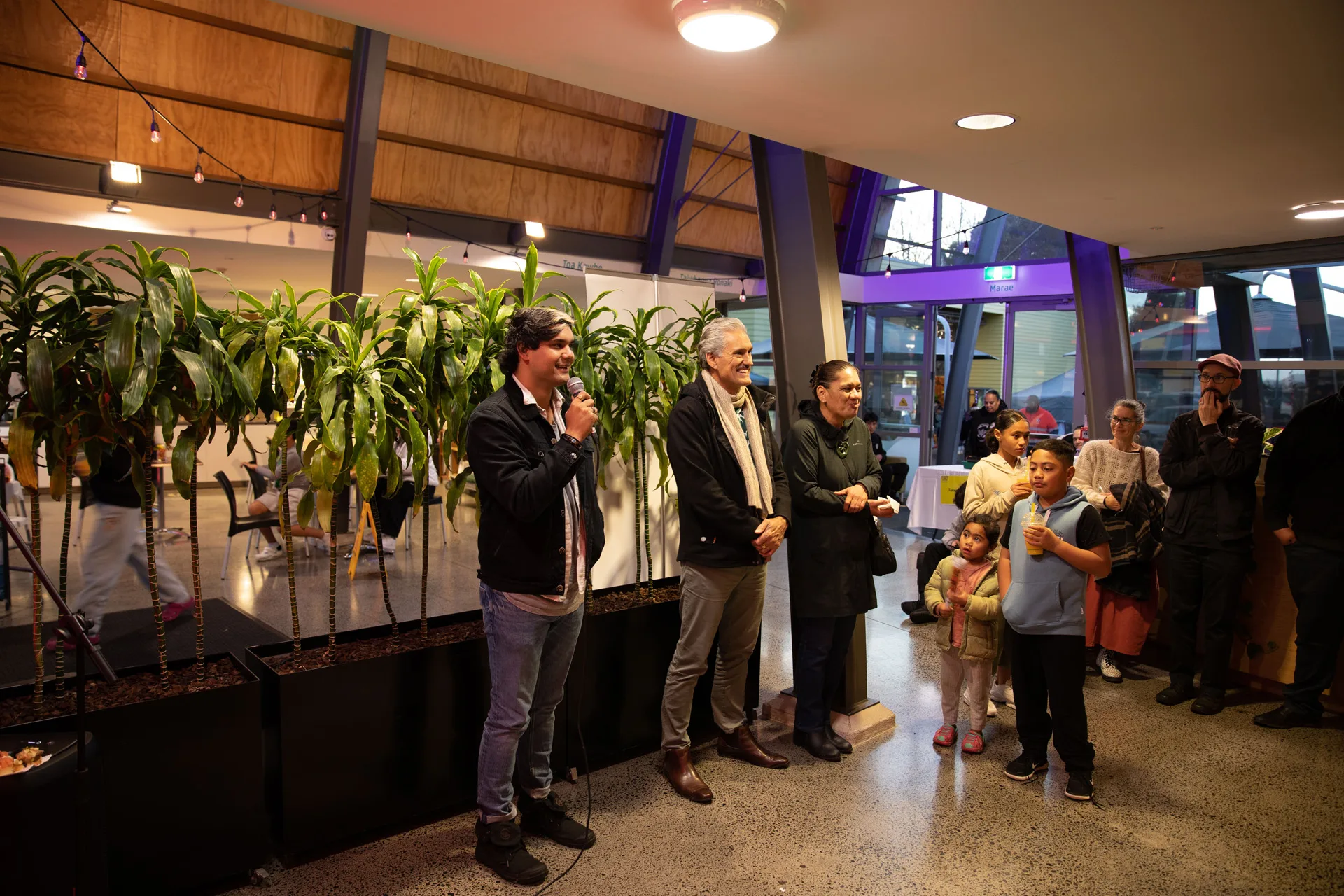
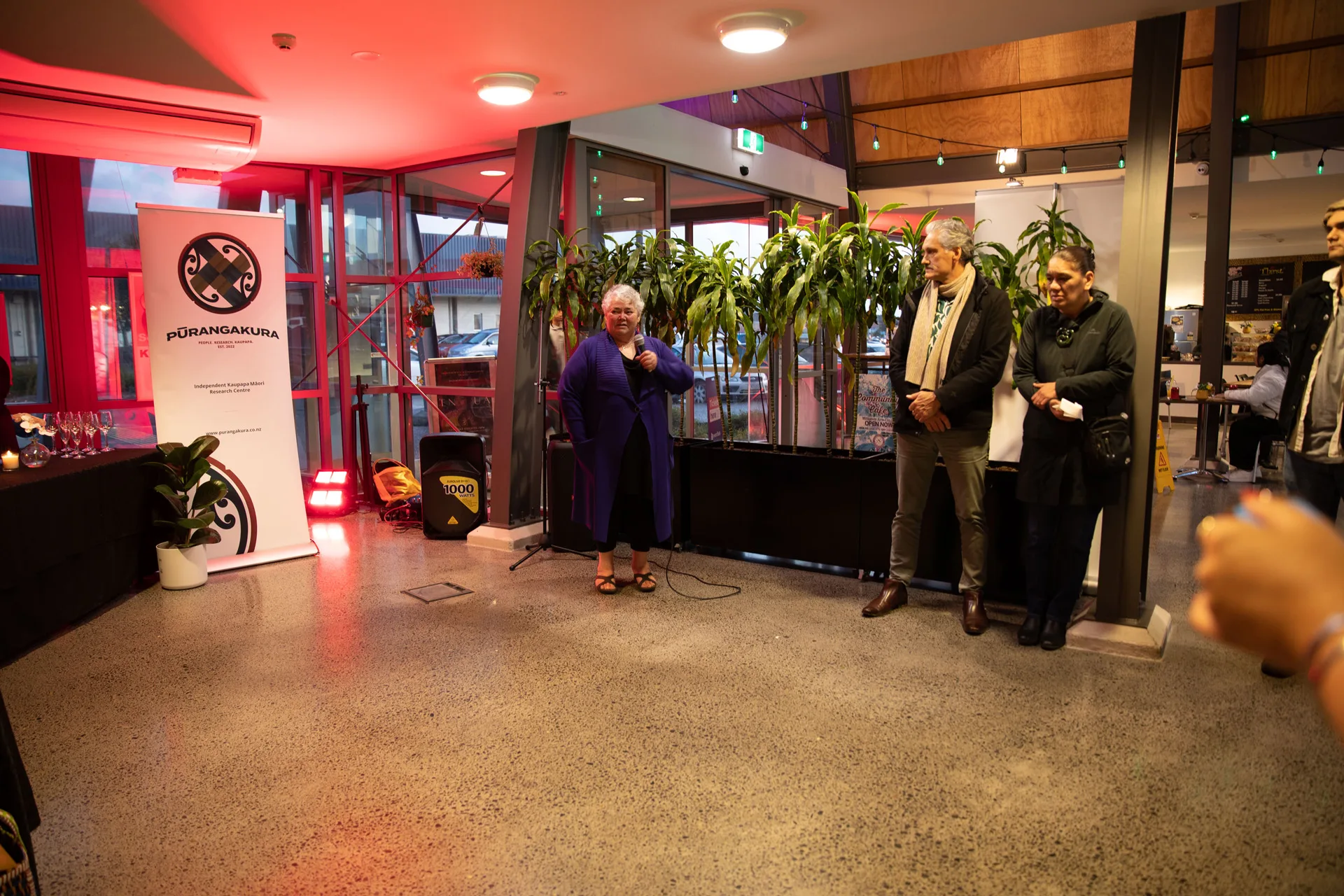
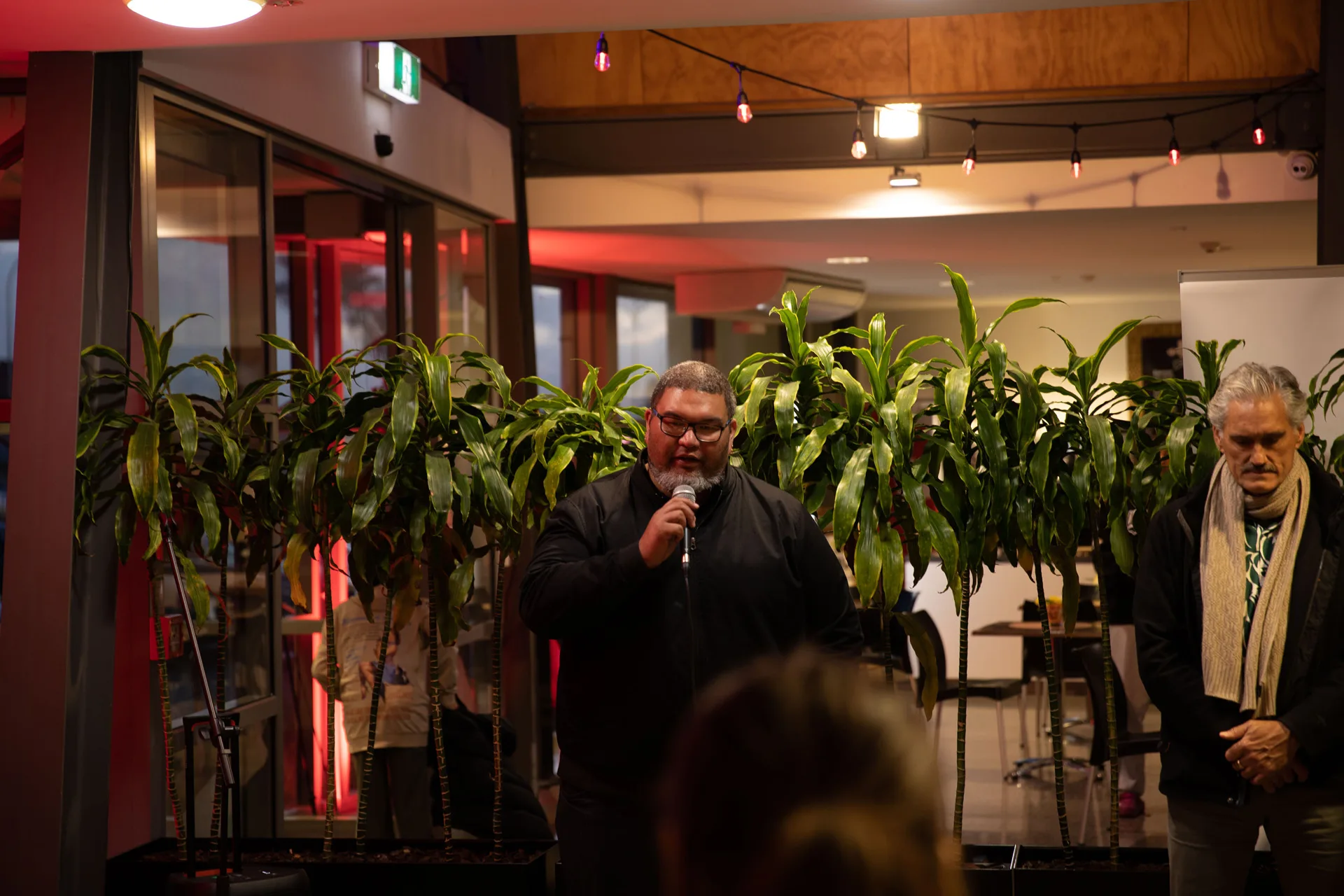
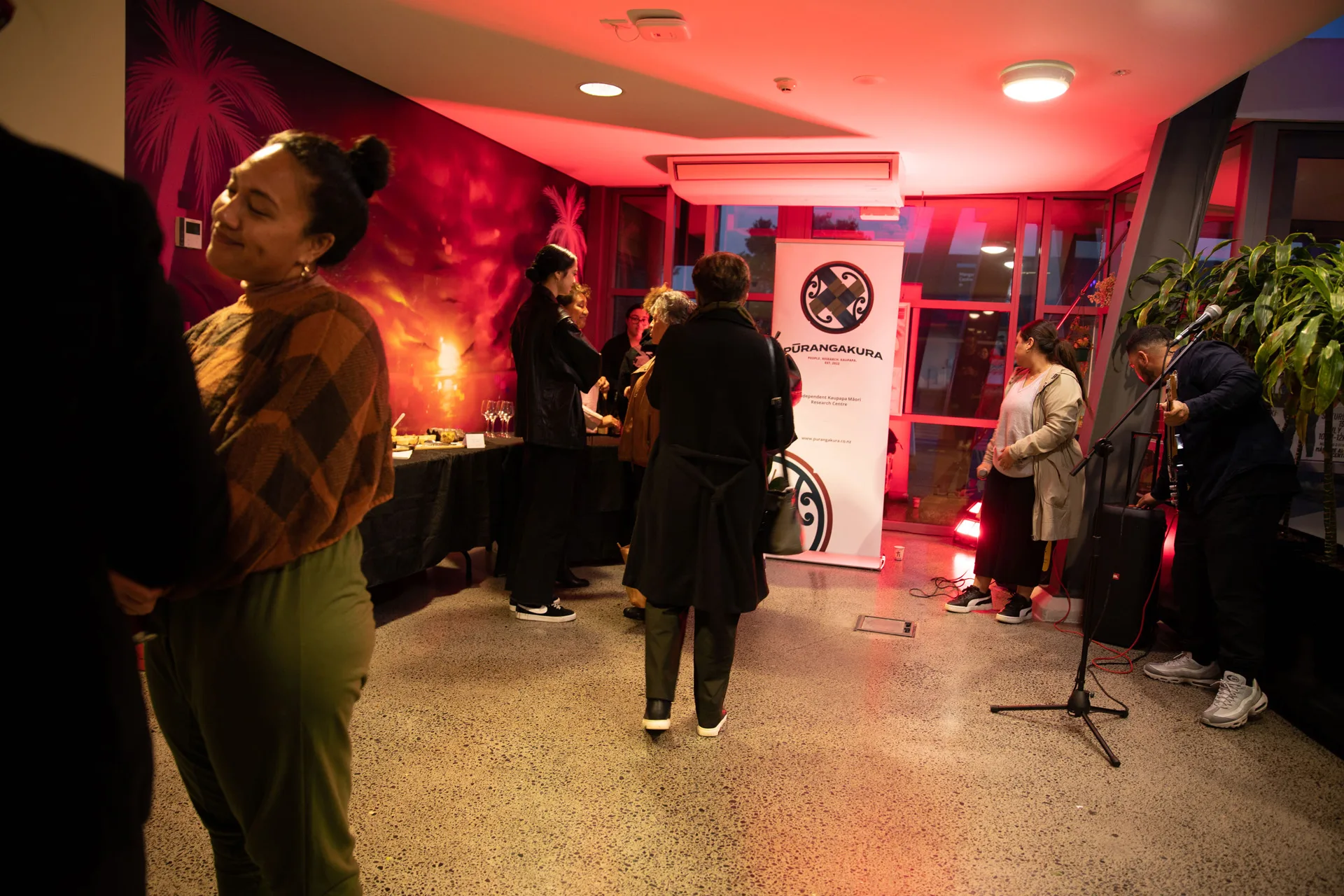
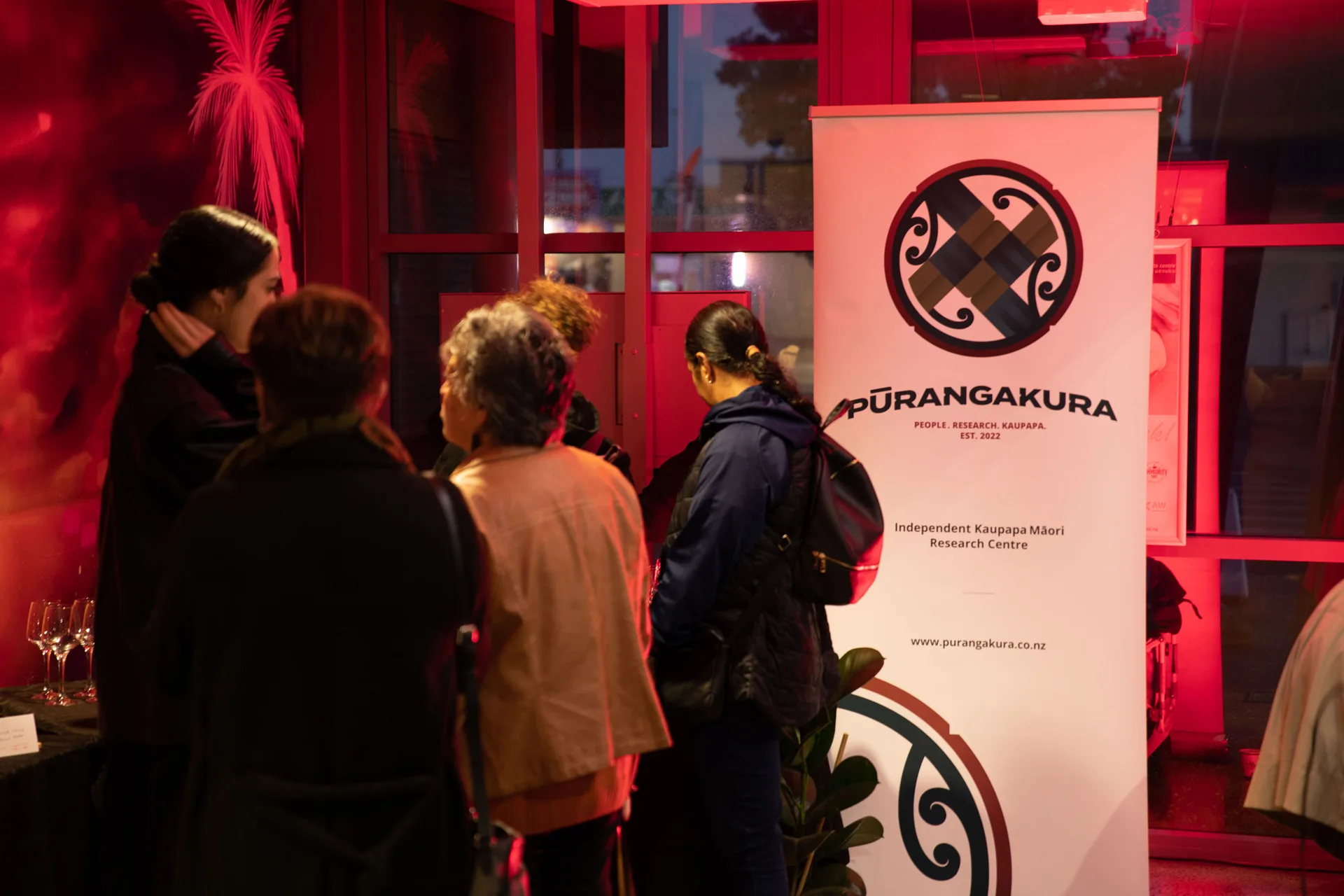
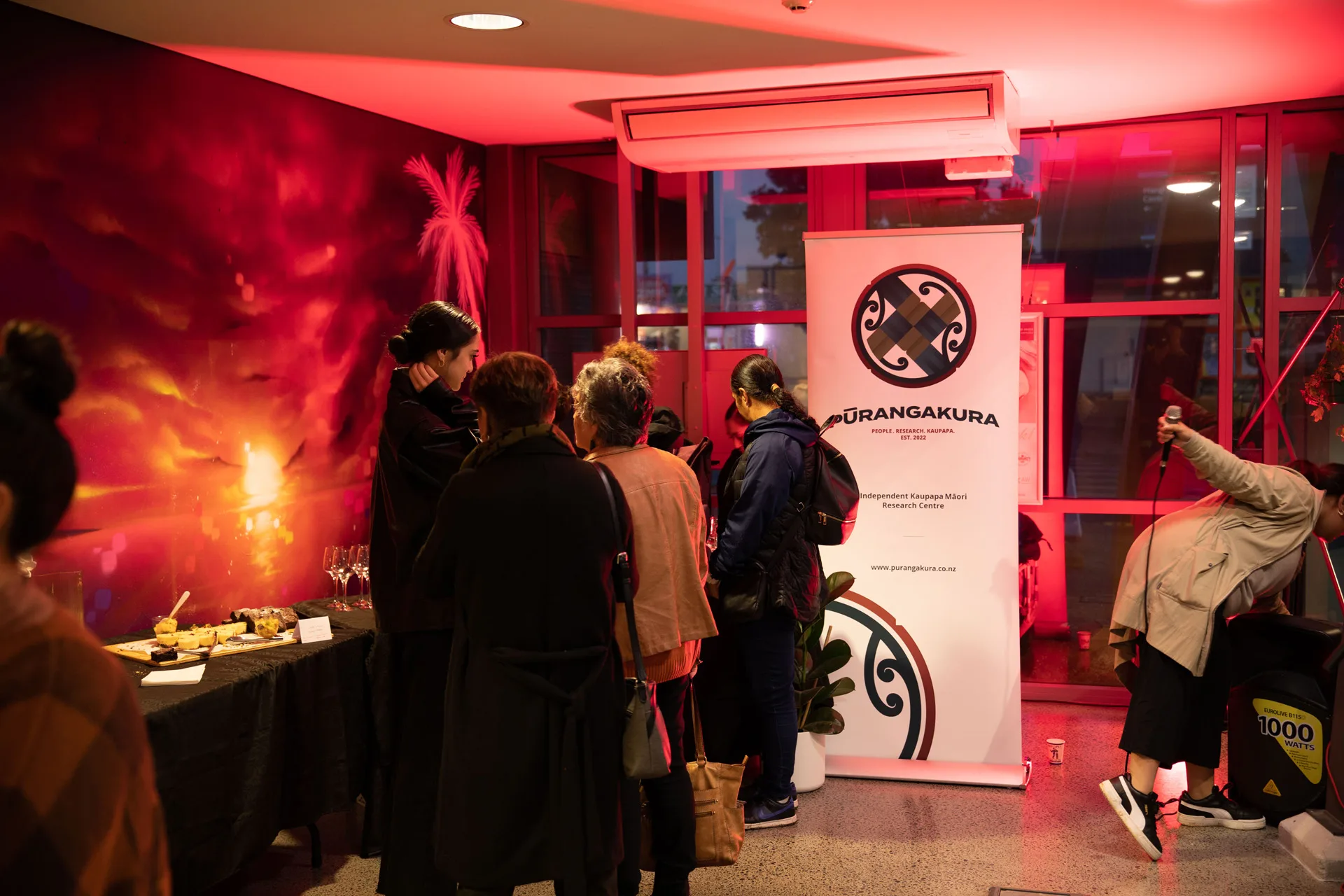
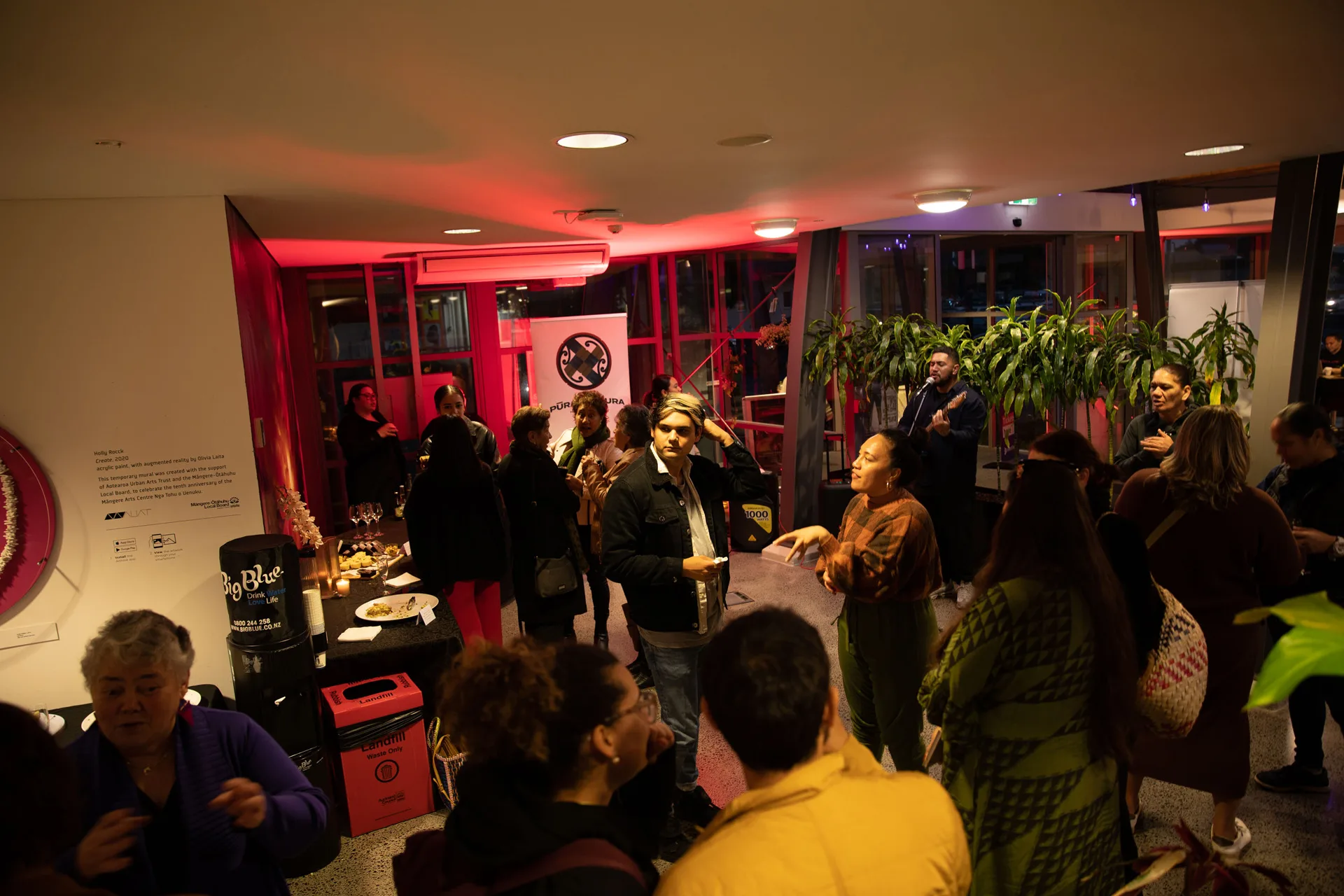
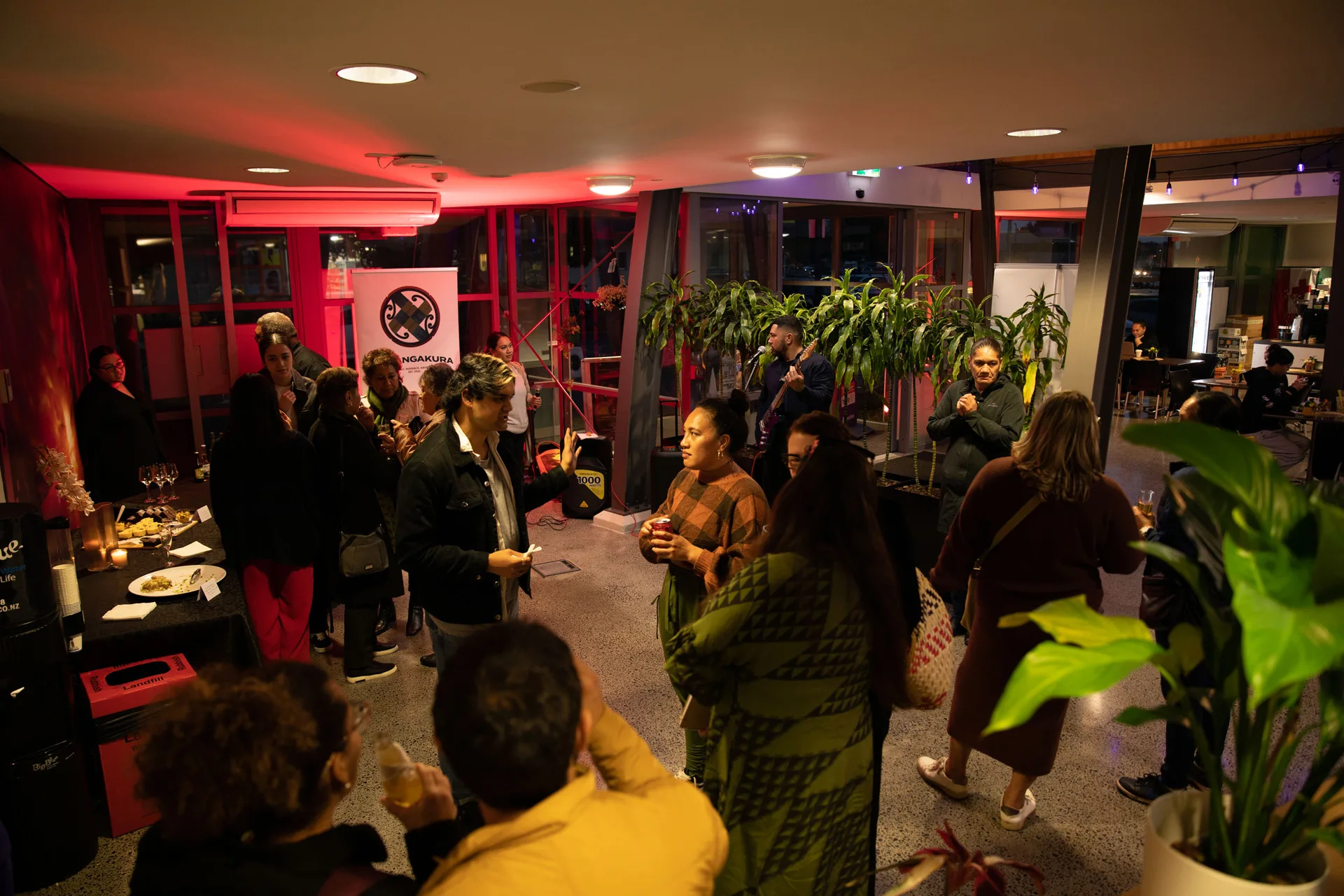
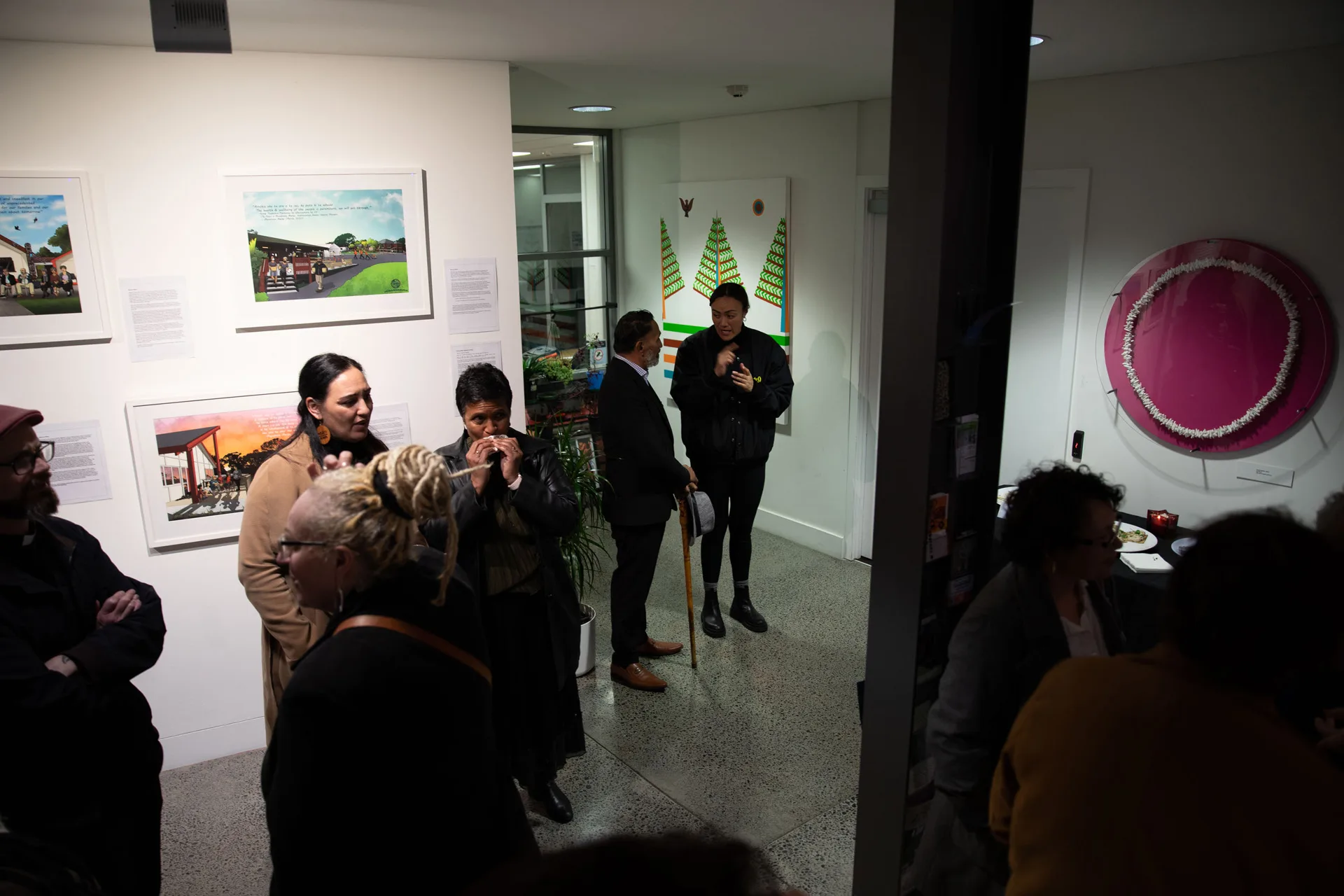
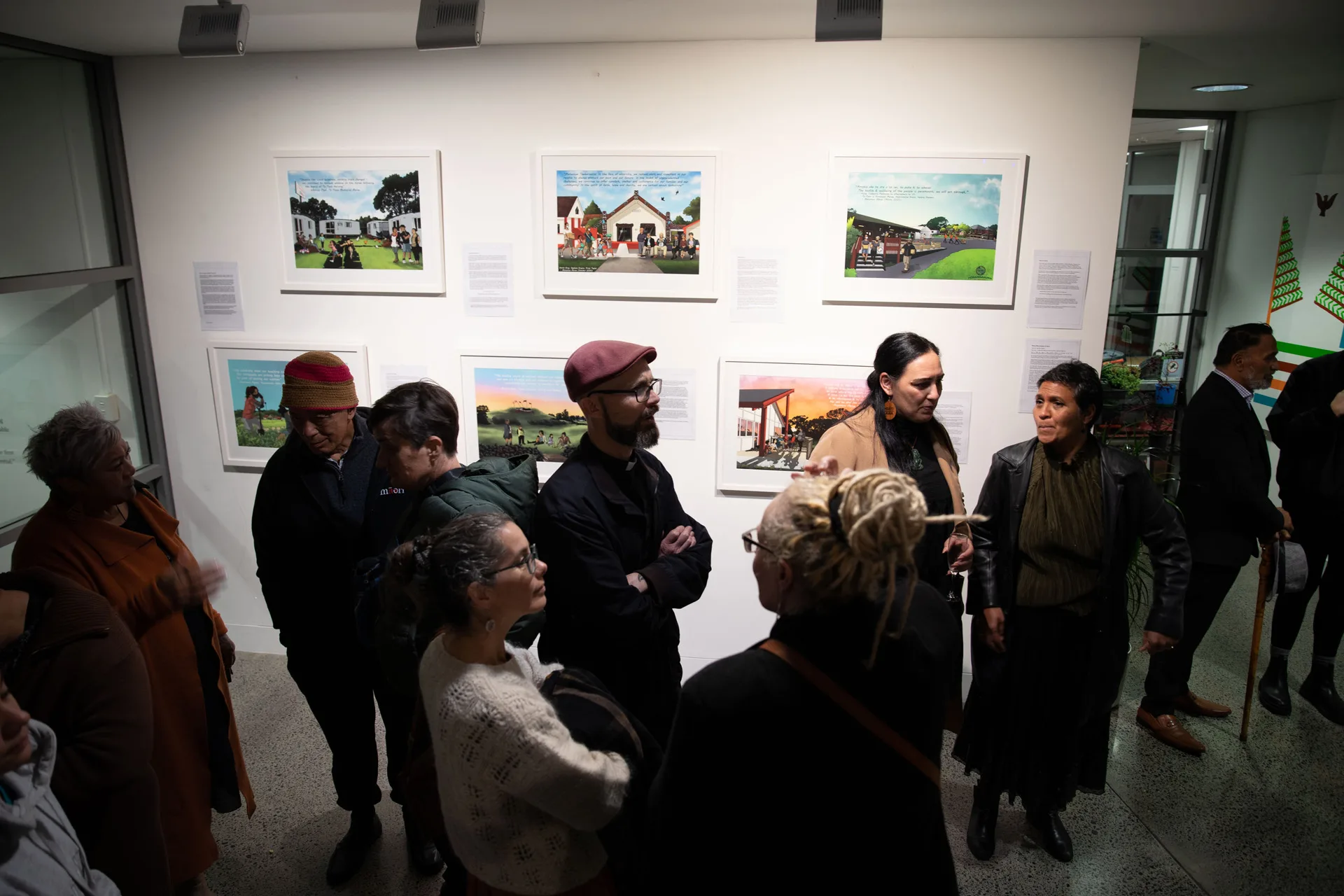
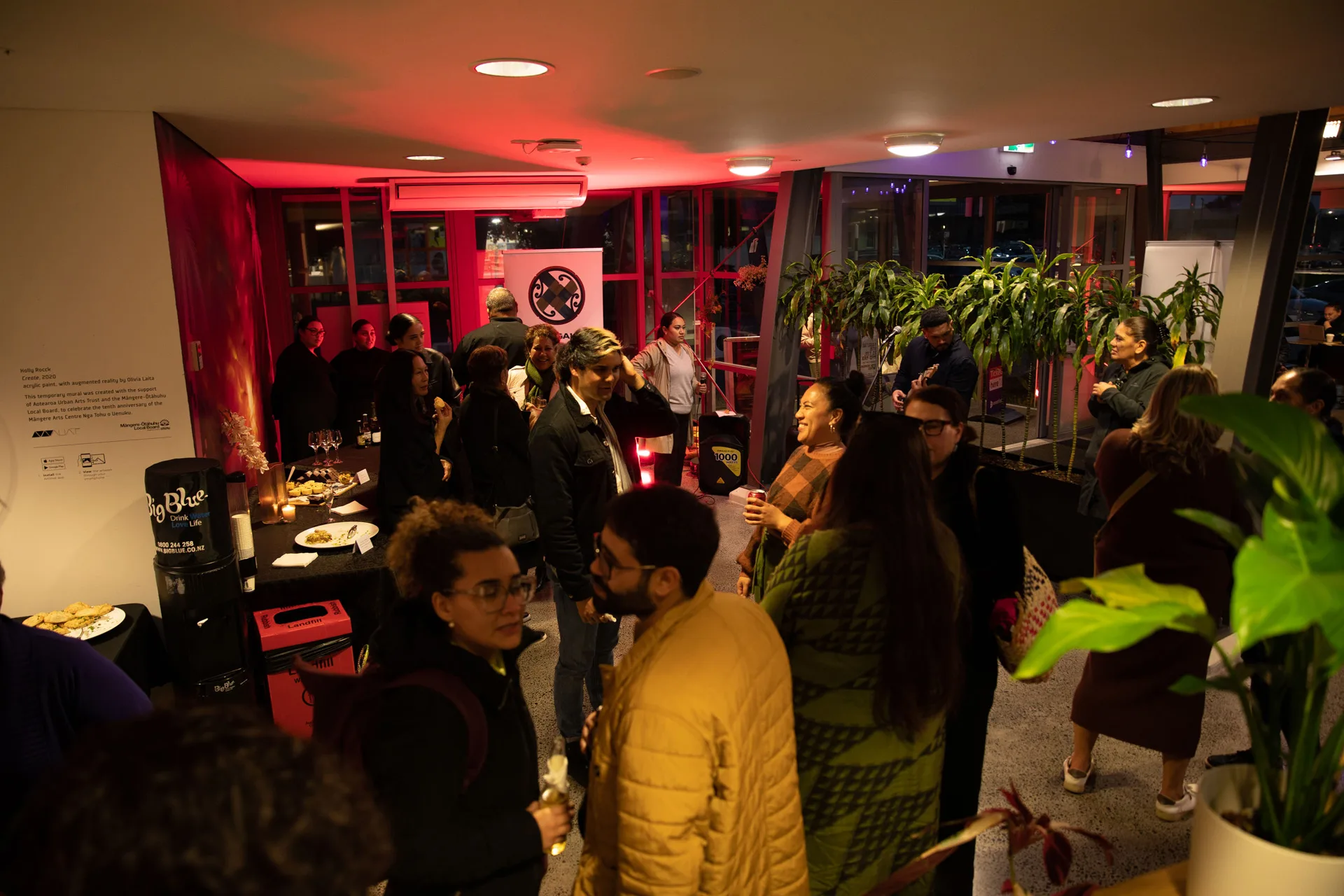
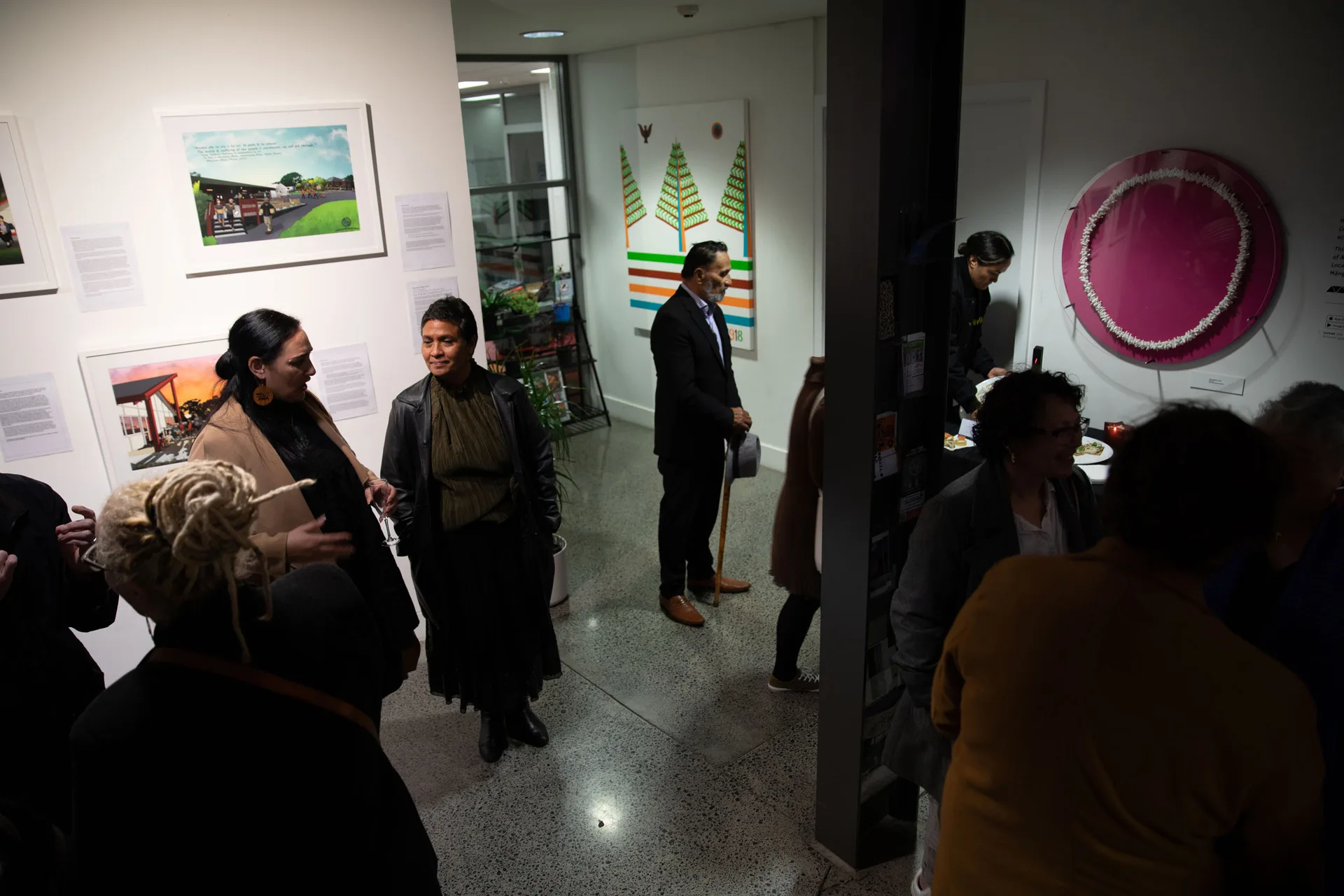
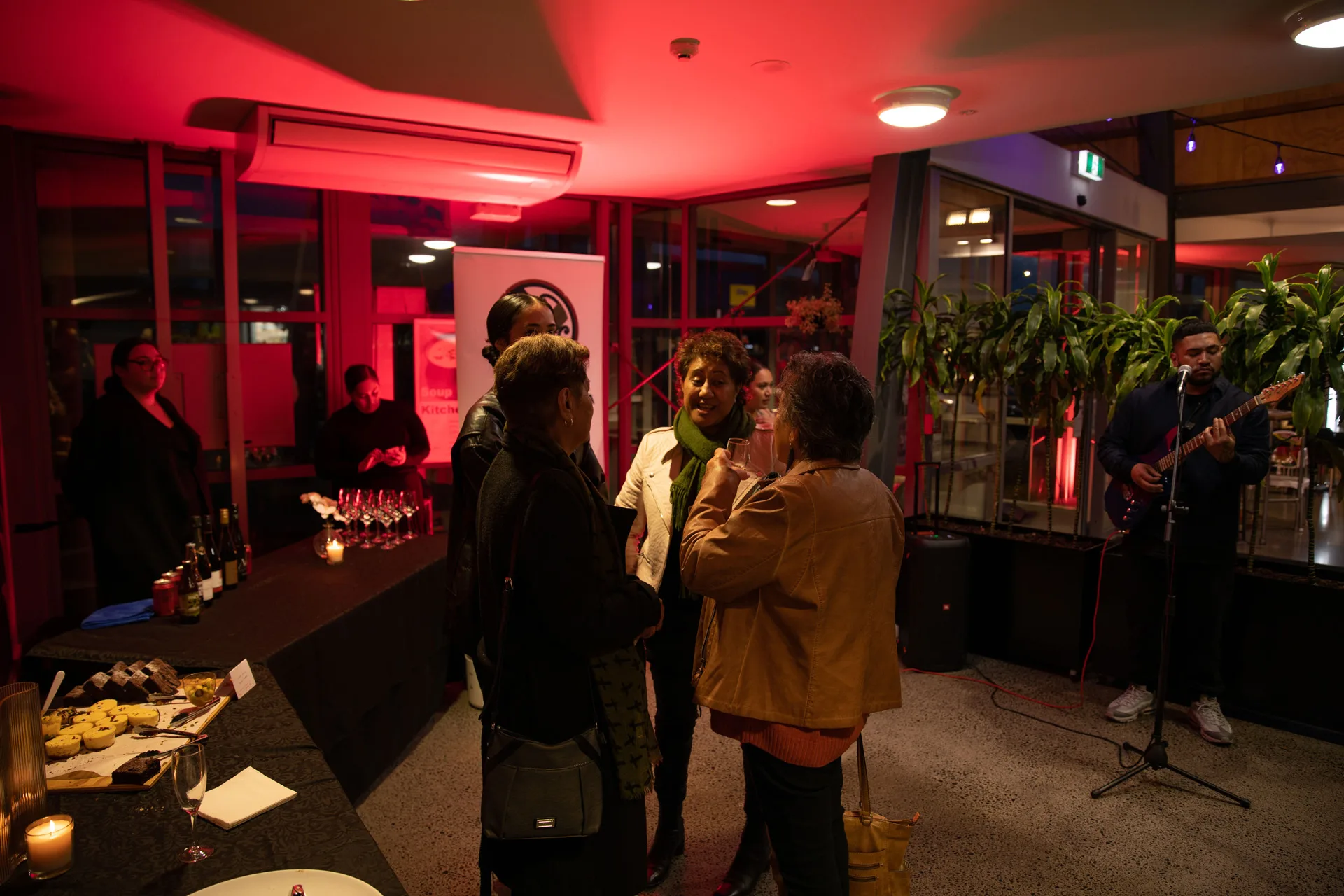
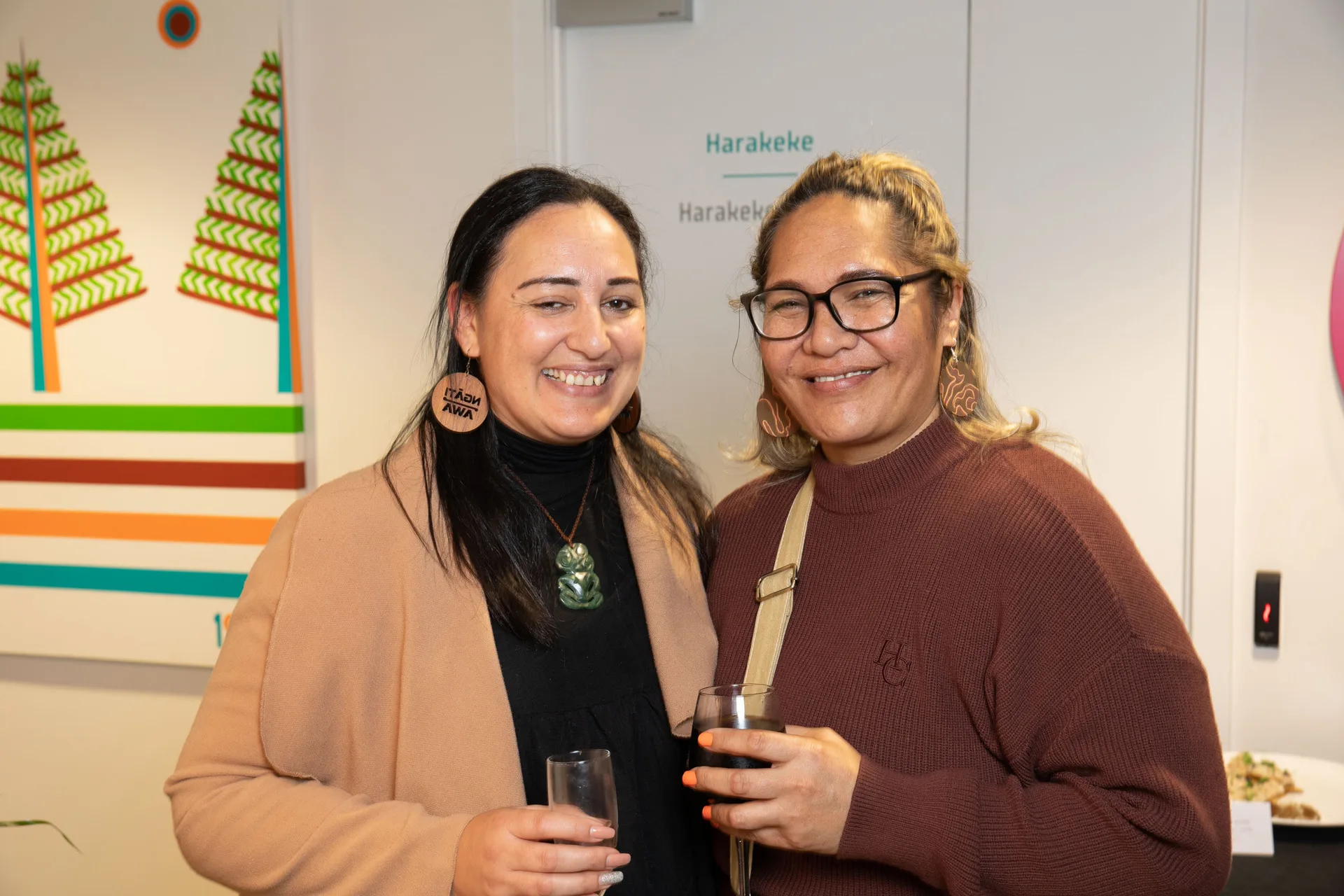
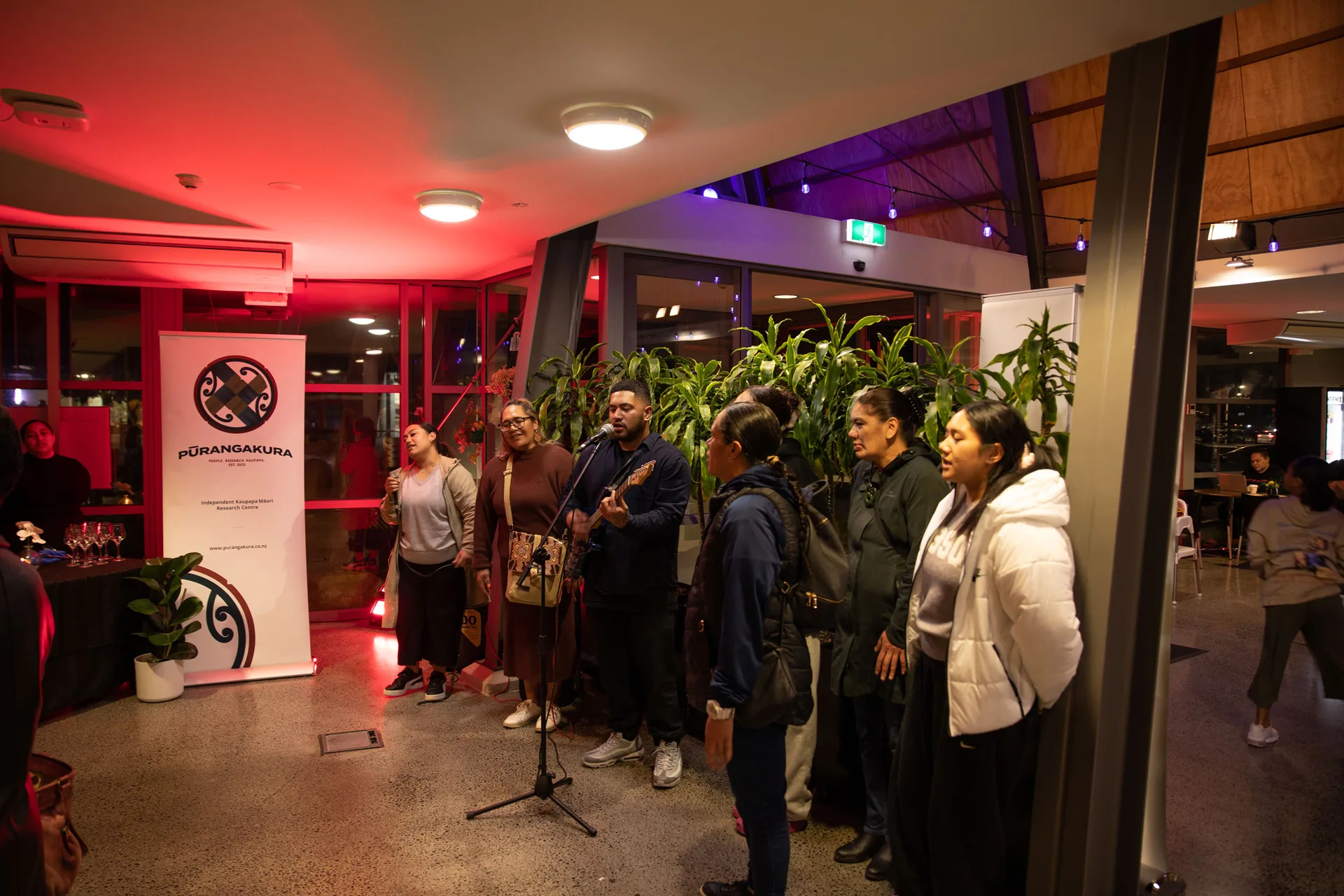
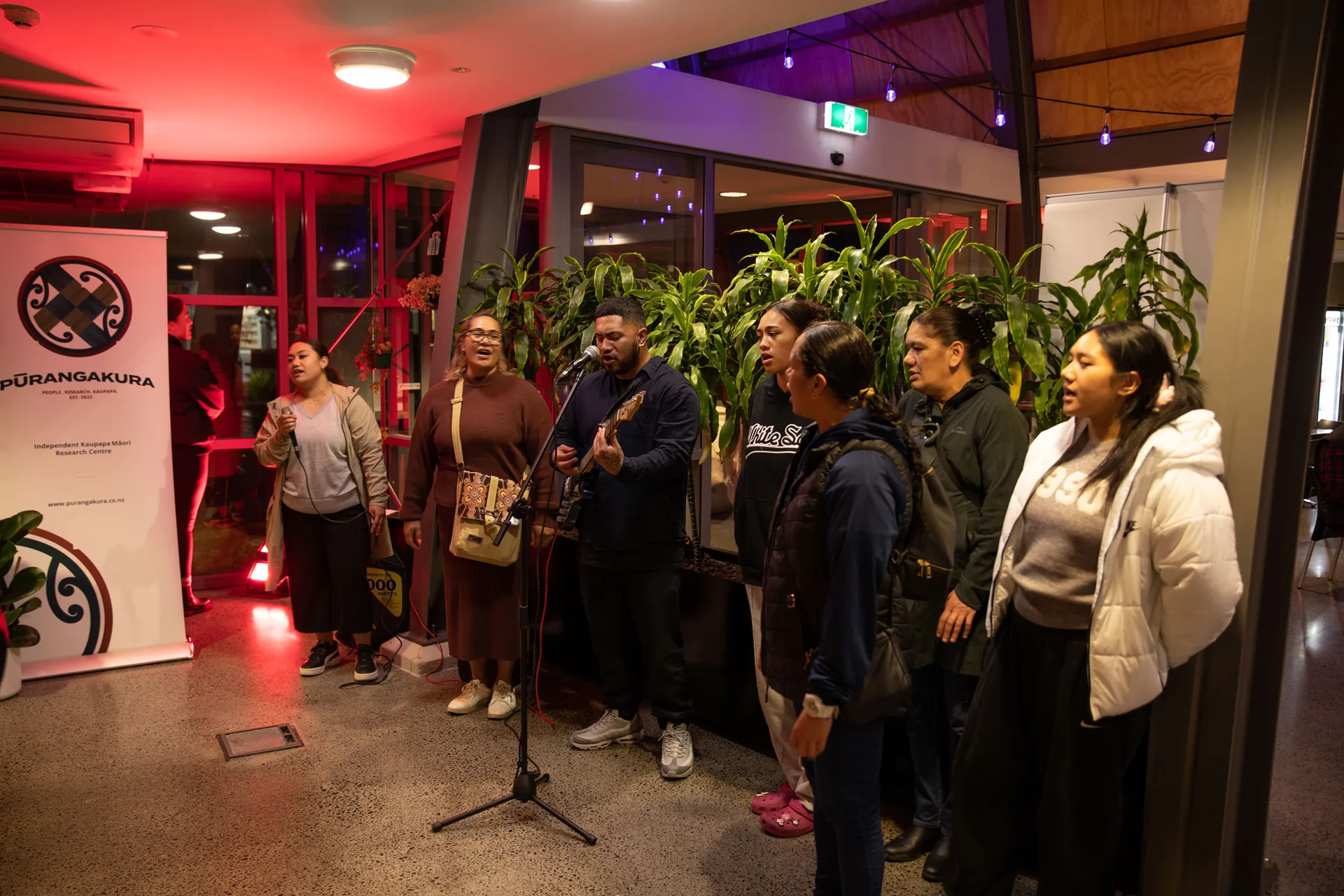
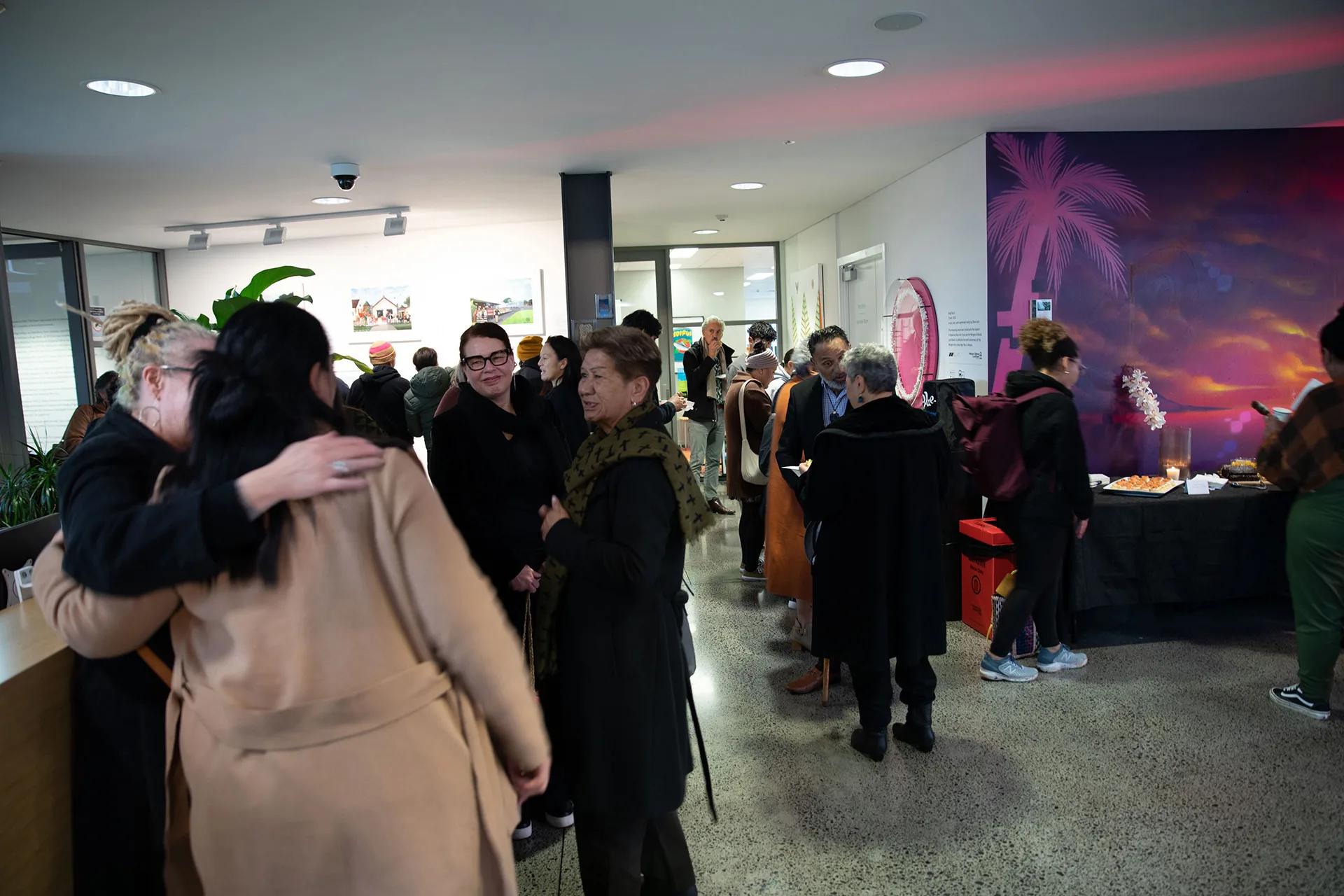
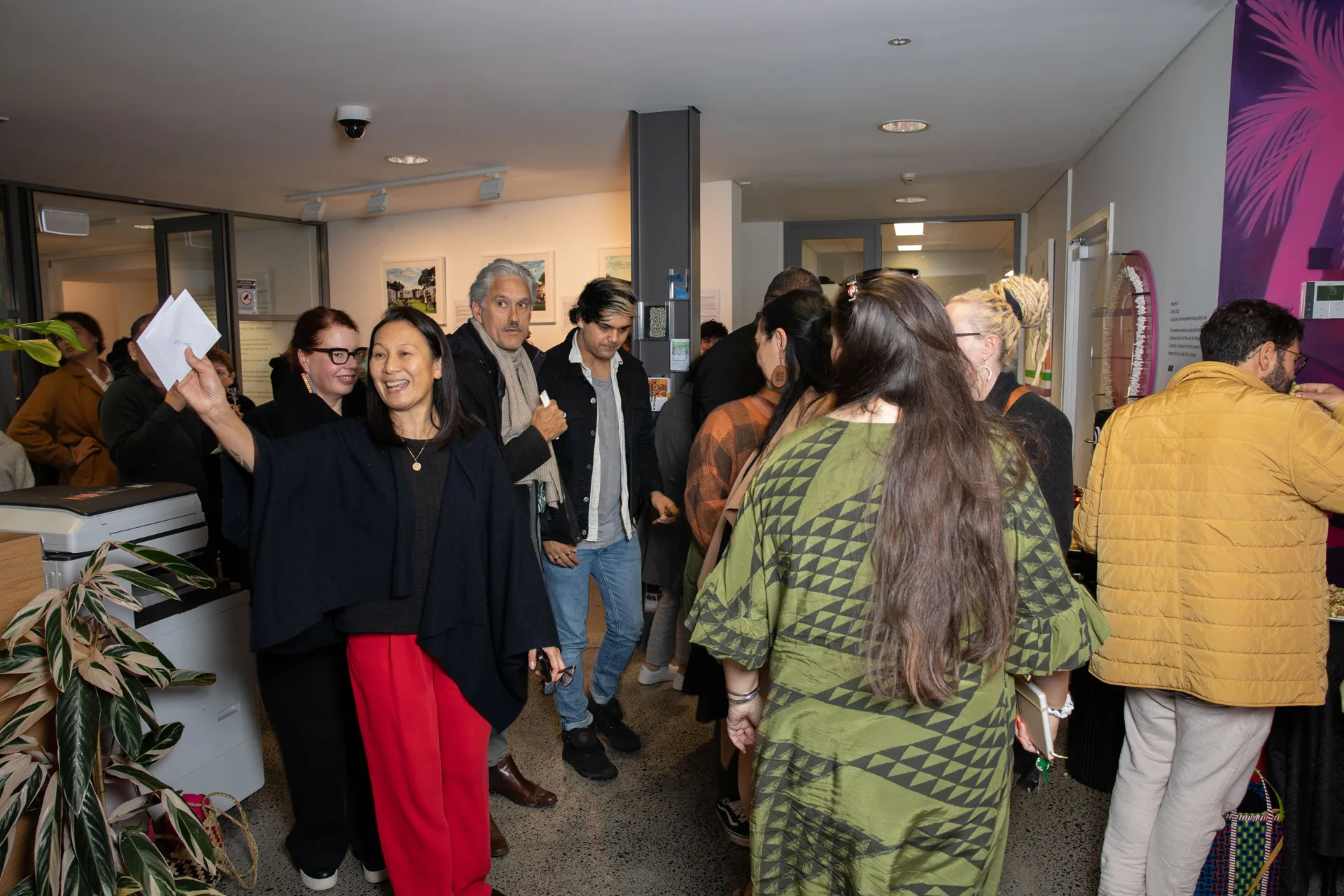
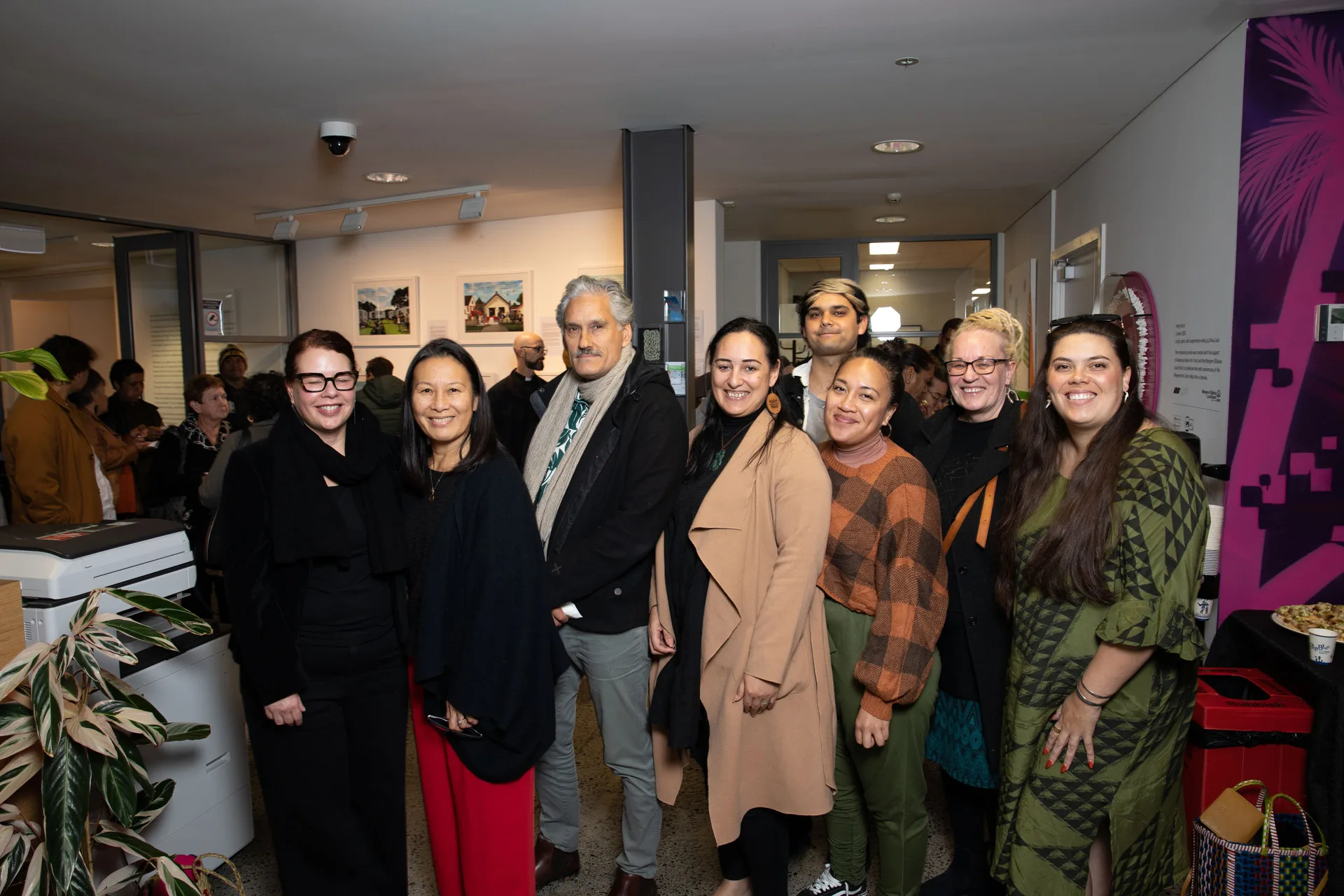
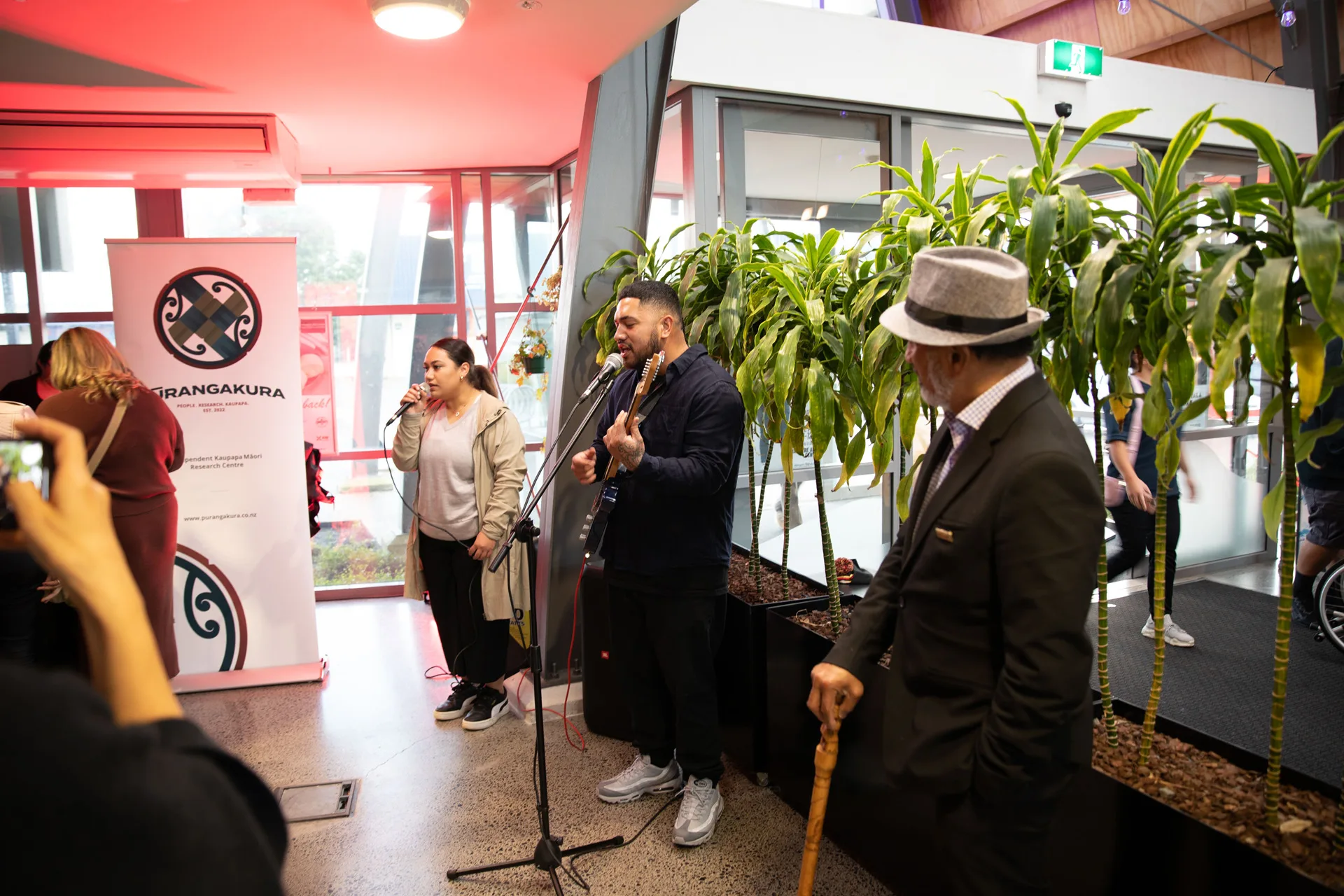
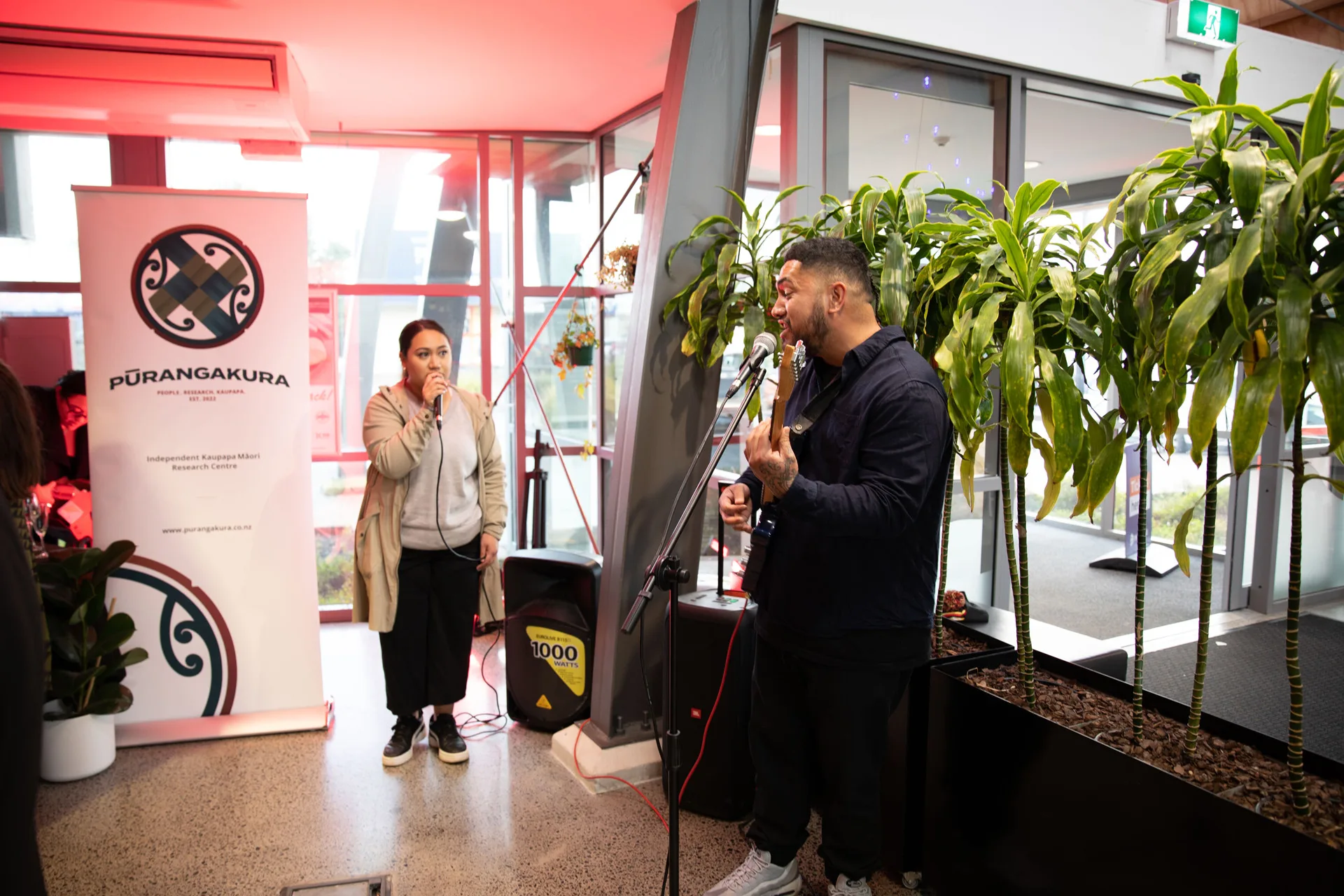
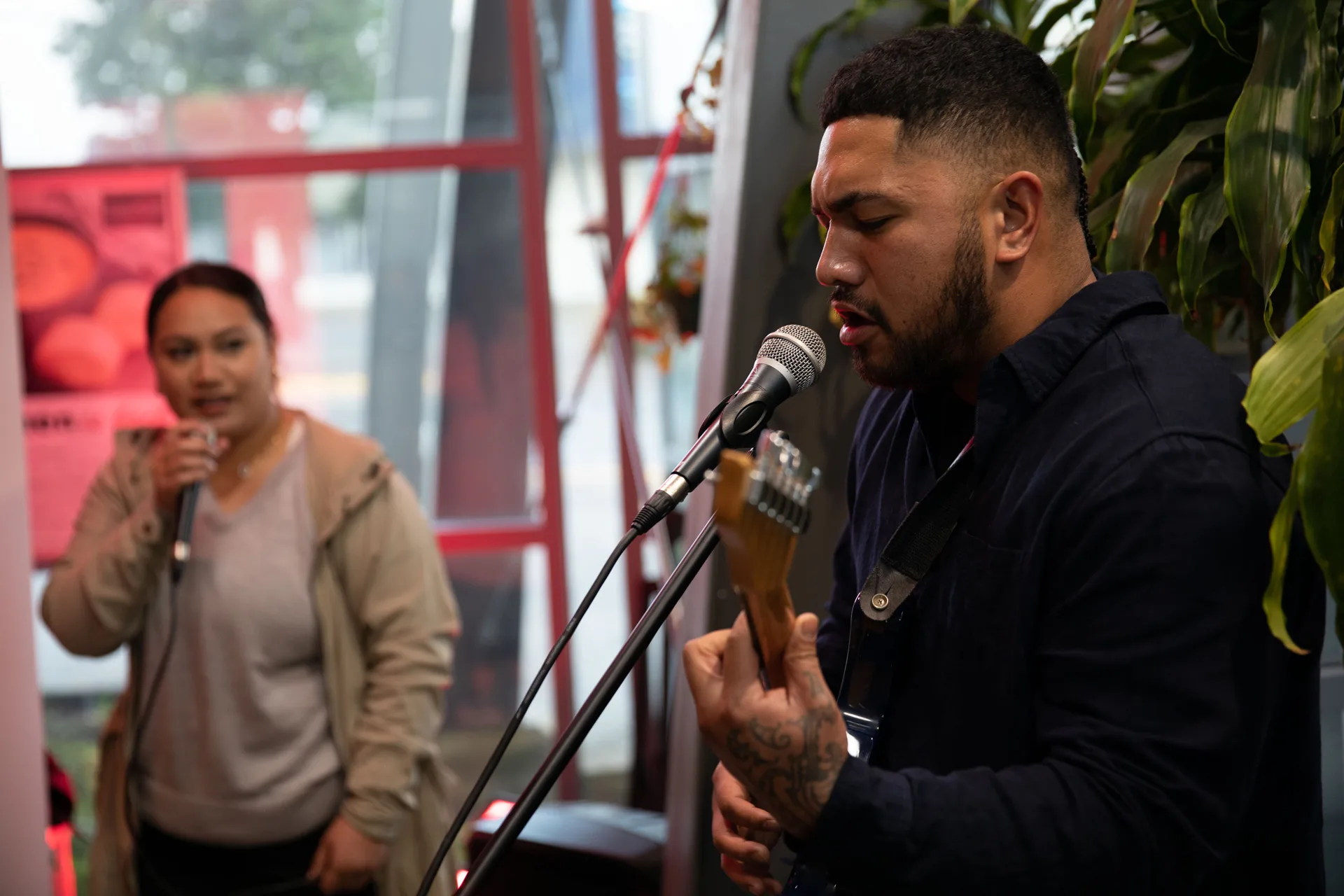
Five marae in South Auckland agreed to partner with Pūrangakura Research to explore their ideas fo r kāinga/housing solutions, following the response from Te Puea Memorial Marae in 2016/17 to accommodate families in dire need. Marae are increasingly involved in community responses to crisis situations and emergencies as key points of information and com munication. Marae Ora Kāinga Ora (MOKO) is a kaupapa Māori research project that started in 2020, designed to enhance the collaborative role that marae provide in the wellbeing space for whānau and community wellbeing.
When COVID – 19 hit Aotearoa forcing a national lockdown in February 2020, the MOKO research had just started out with each marae appointing a researcher from their whānau. Through the adversity of COVID, marae opened their doors and provided an extraordinary service to whole communities.
A p ikitia (picture) series was commissioned to tell the important story of each marae’s interaction with their communities during COVID. Each marae whānau ensured important icons to their marae were included in the pikitia. Onsite visits and observation from the artist helped to fully understand the unique experience from marae to marae. The imagery, symbolism and a whakatauki/whakatauāki (proverb) or statement, captures a snapshot of each marae and their activity in the pandemic of 2020/21.
This Pikitia Exhi bition is the voice of the six marae (inclusive of Te Puea Memorial Marae). It is a privilege that Pūrangakura has been able to showcase the amazing community contribution of these marae and their whanaunga marae from Manurewa and Papakura at a South Auckl and site, and with their local community at the Mangere Arts Centre.
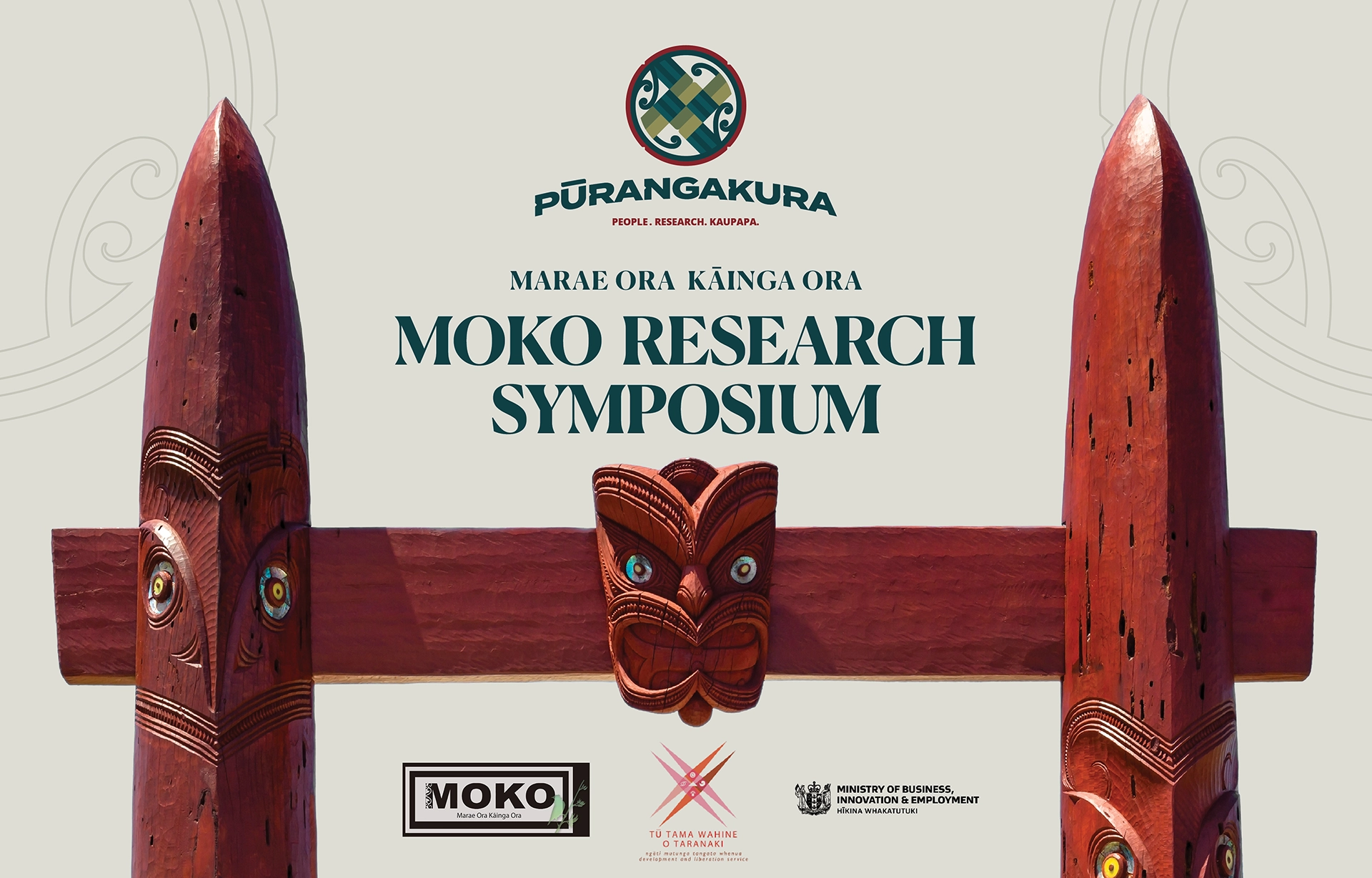
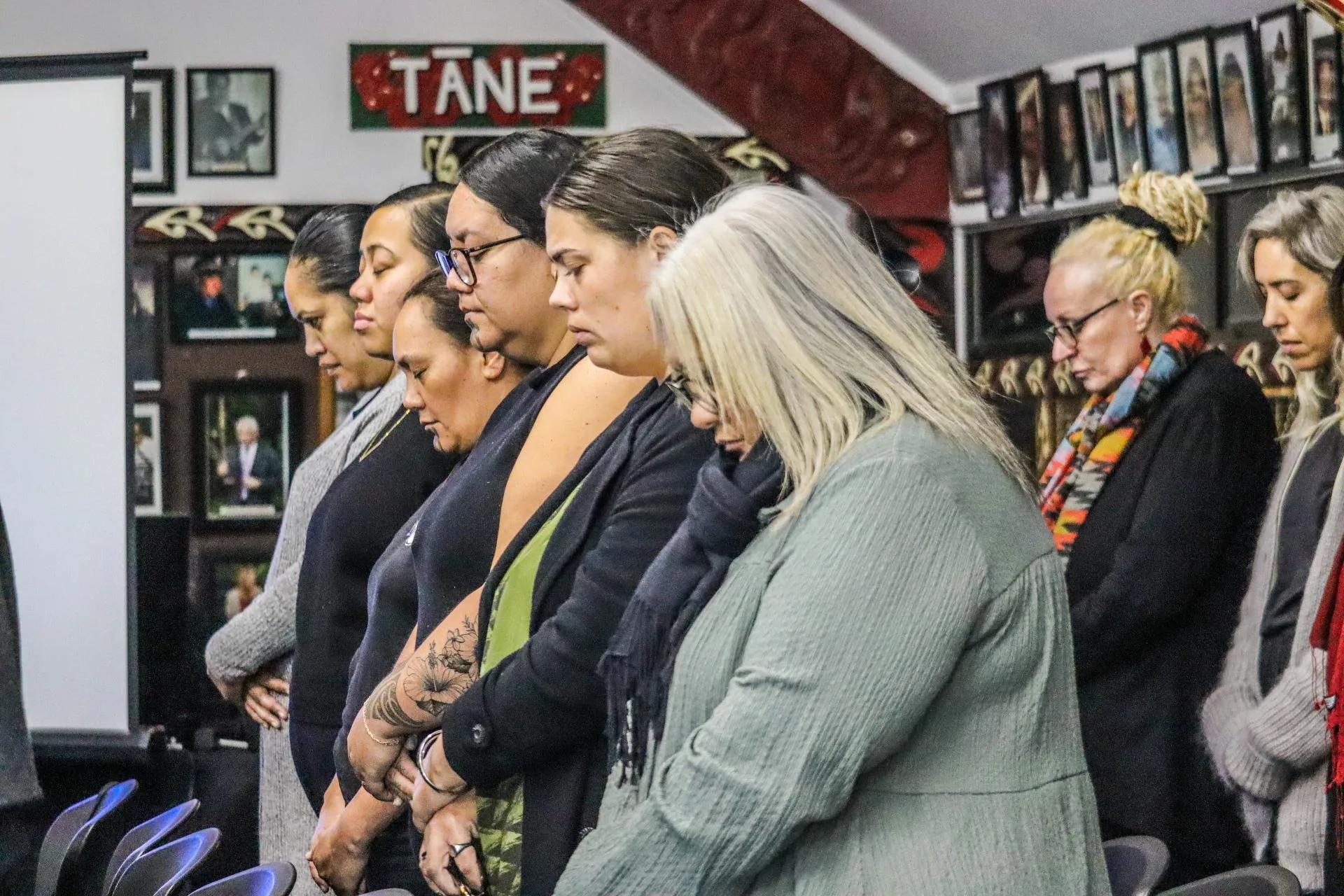
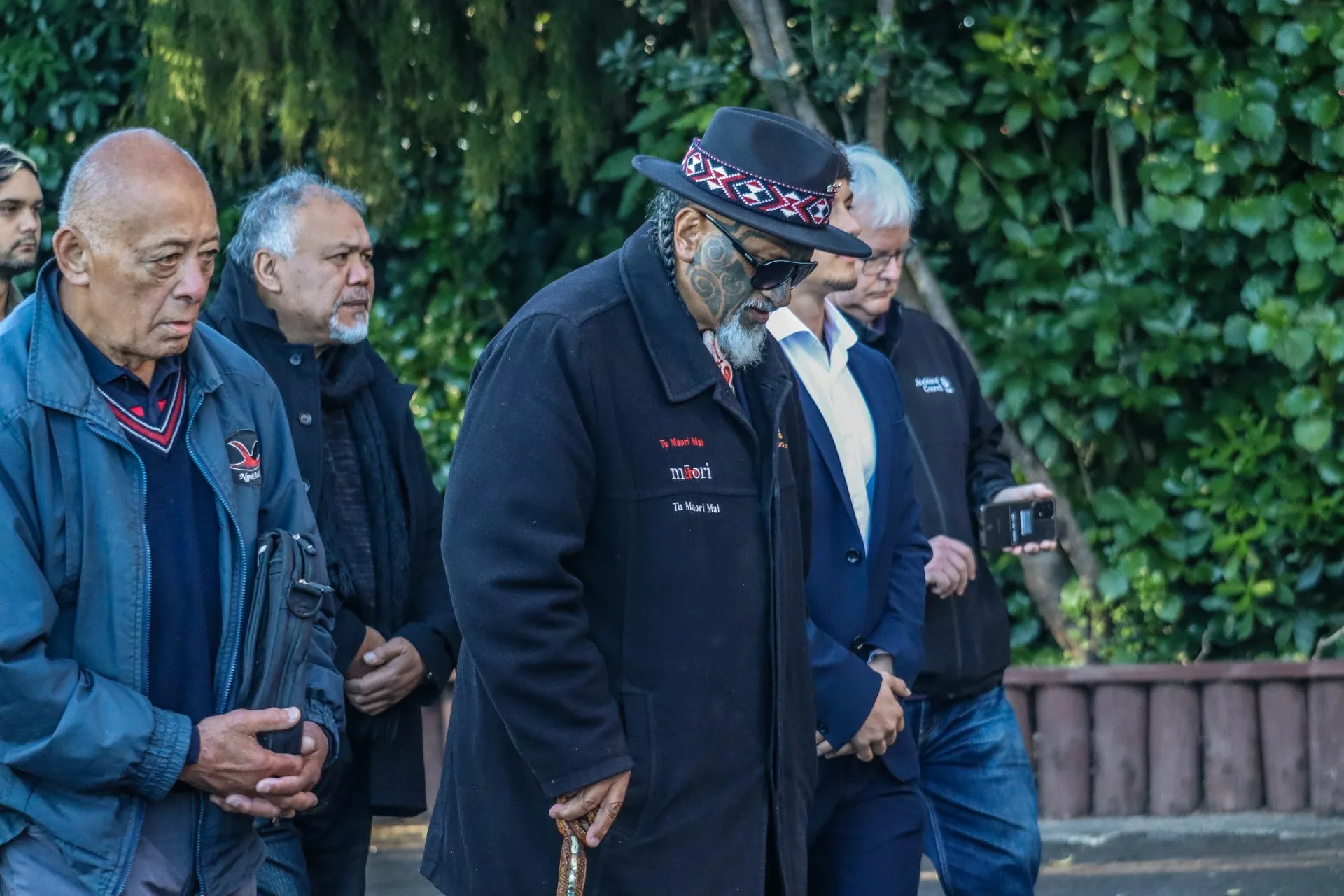
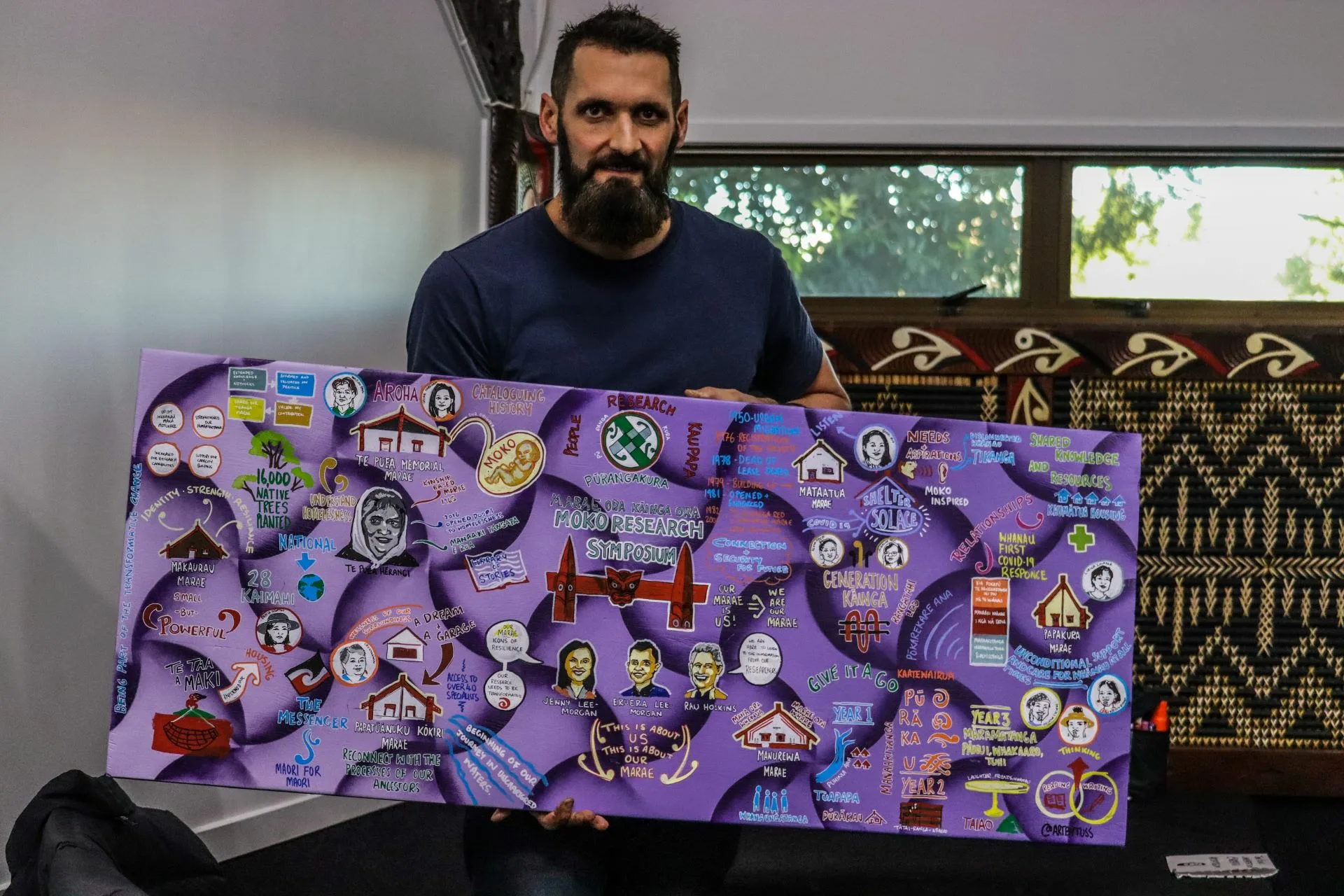
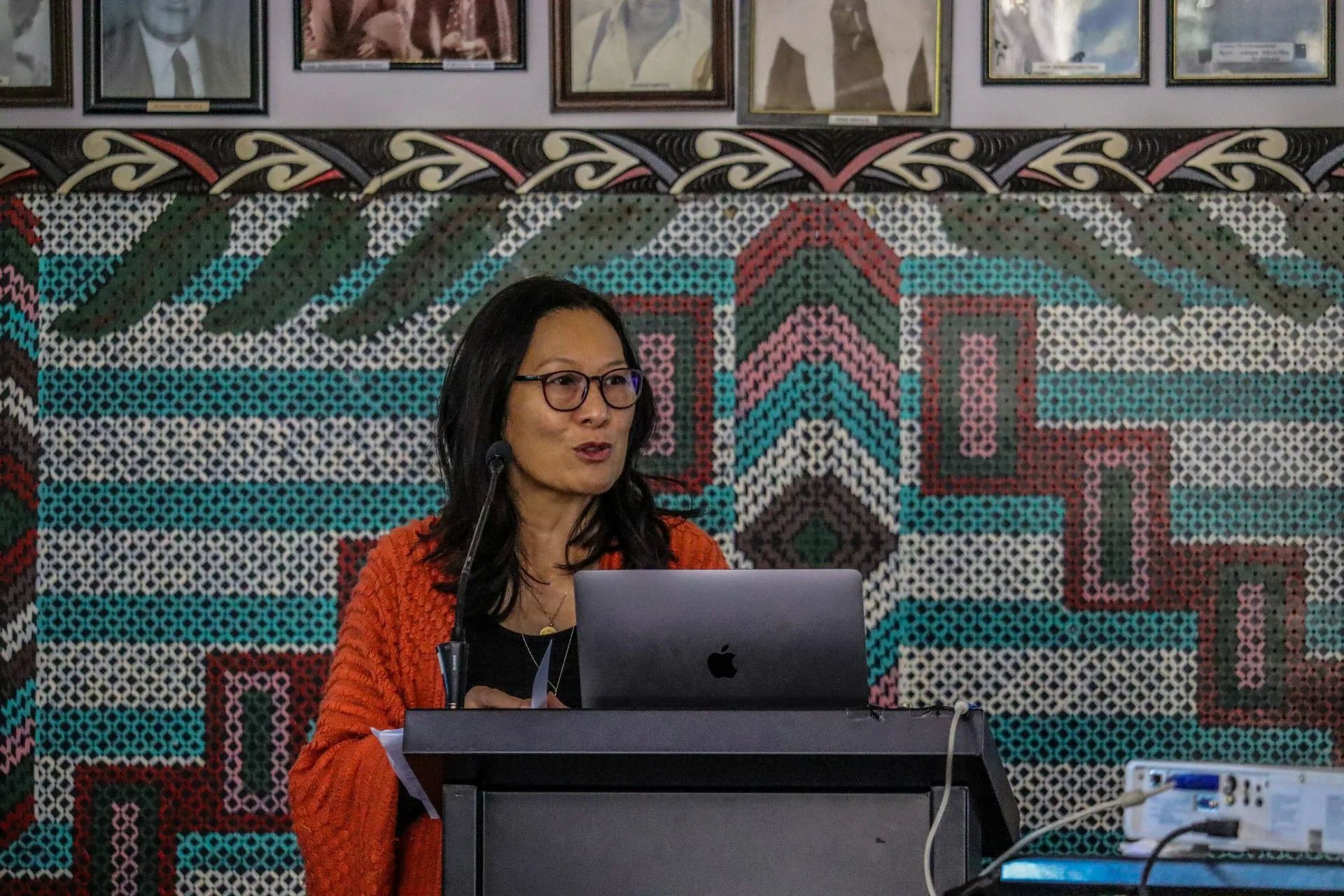
MOKO Symposium:
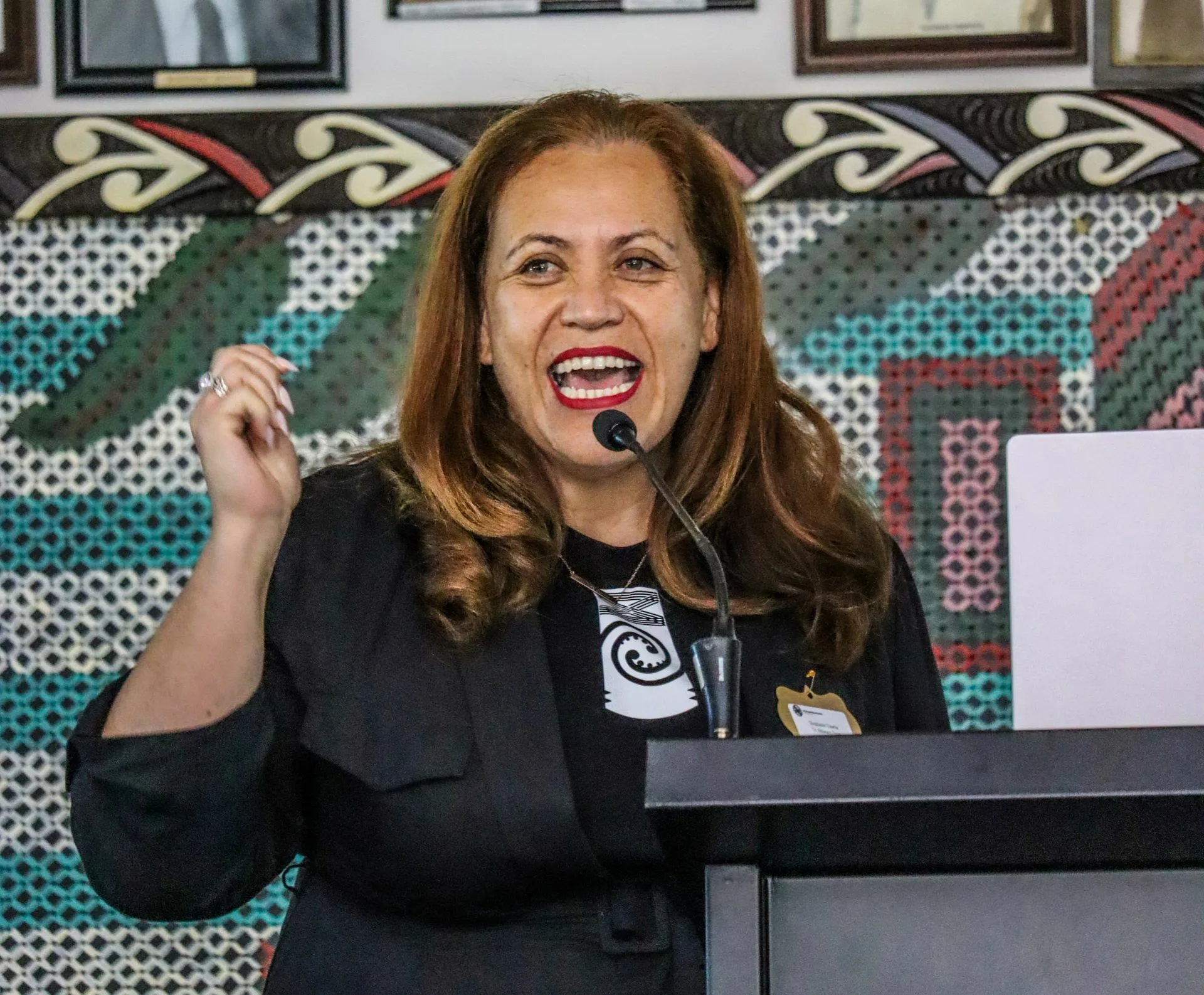
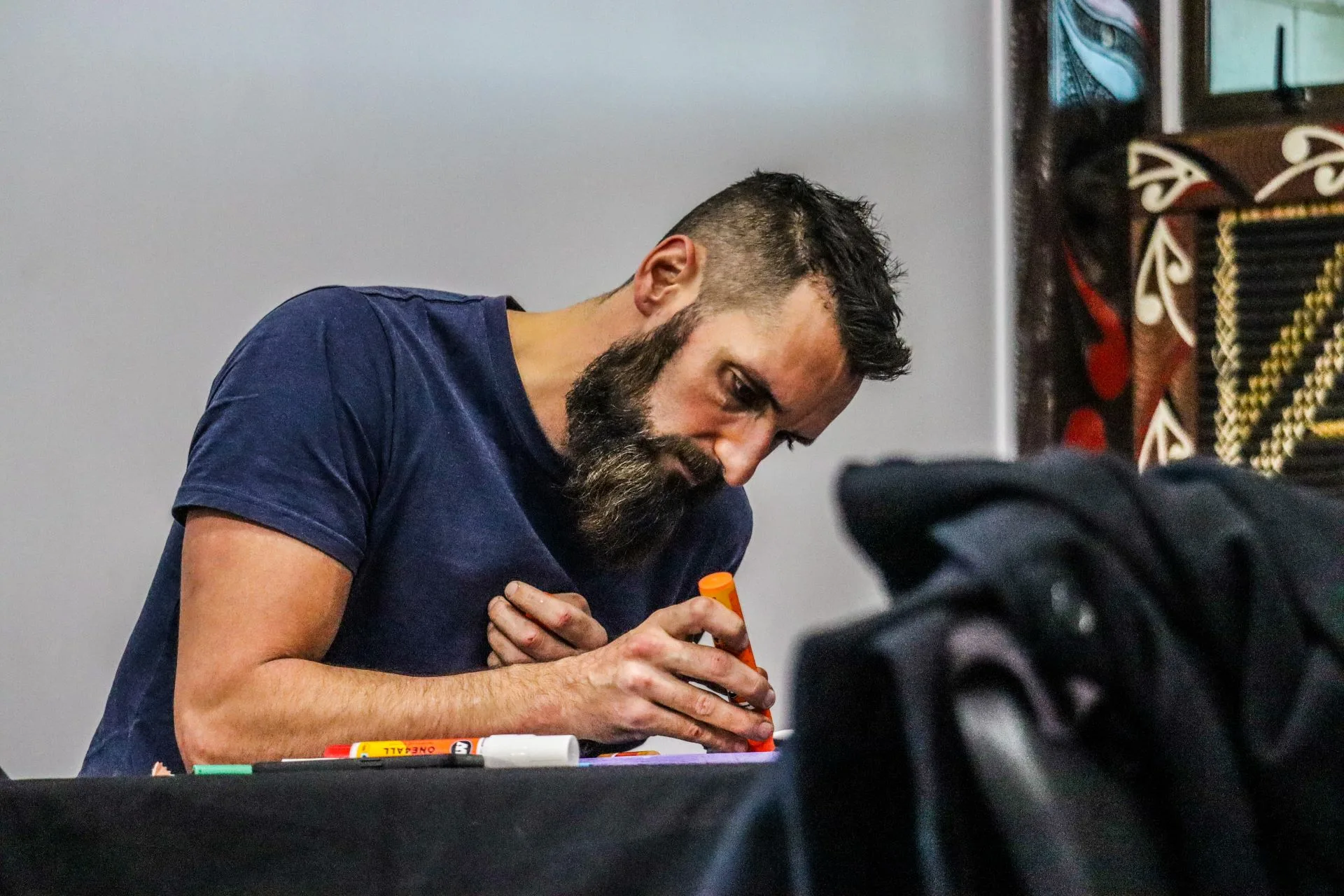
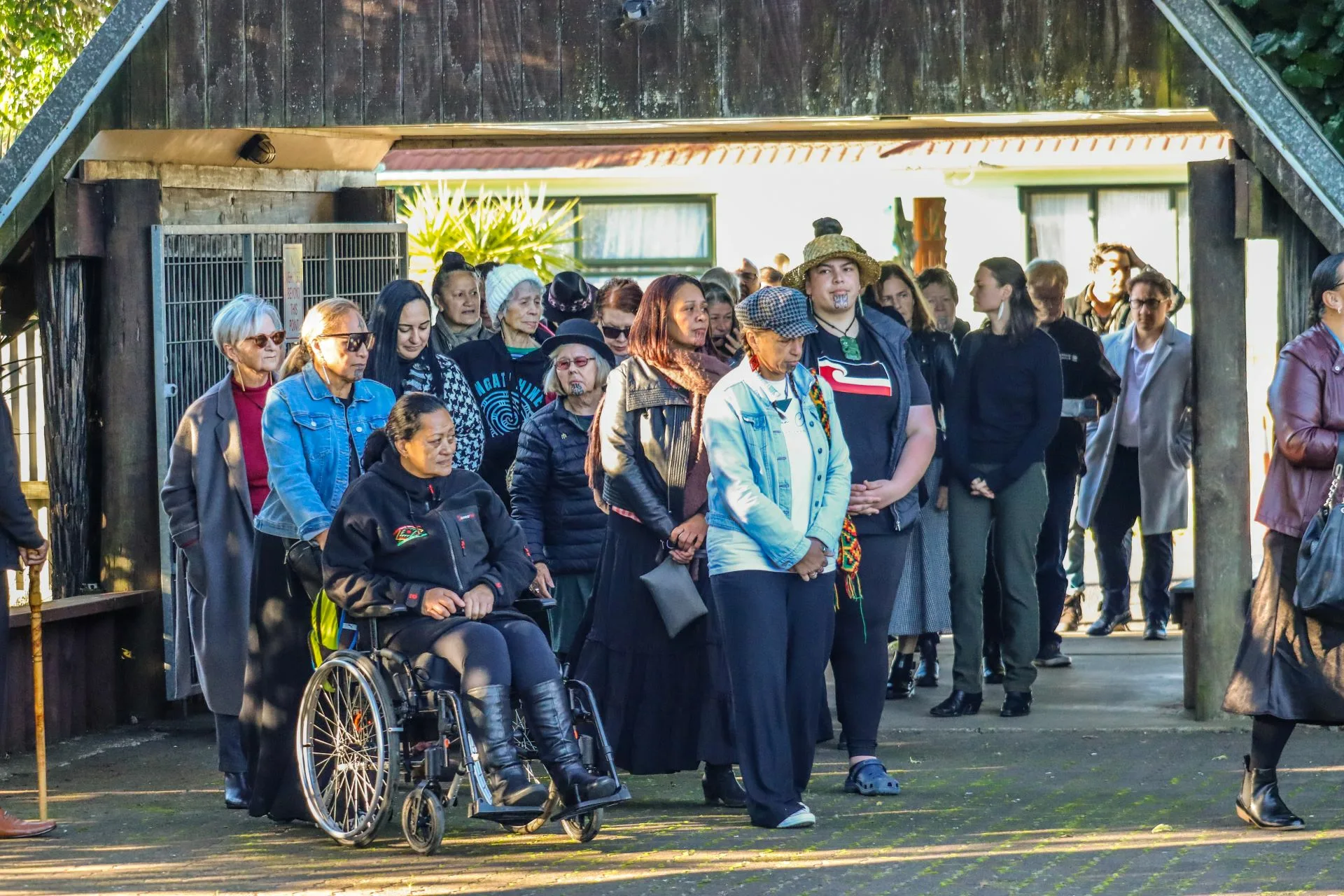
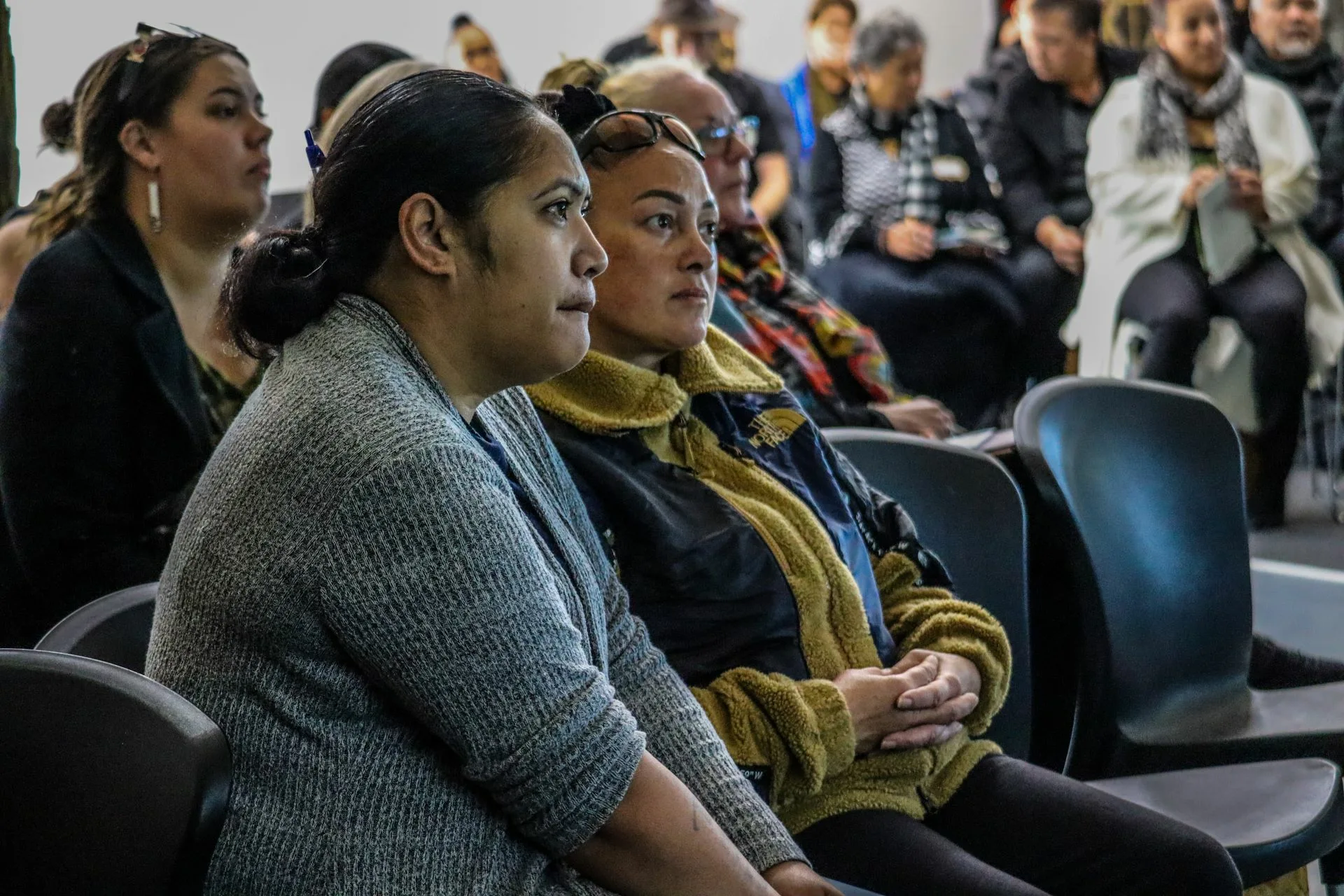
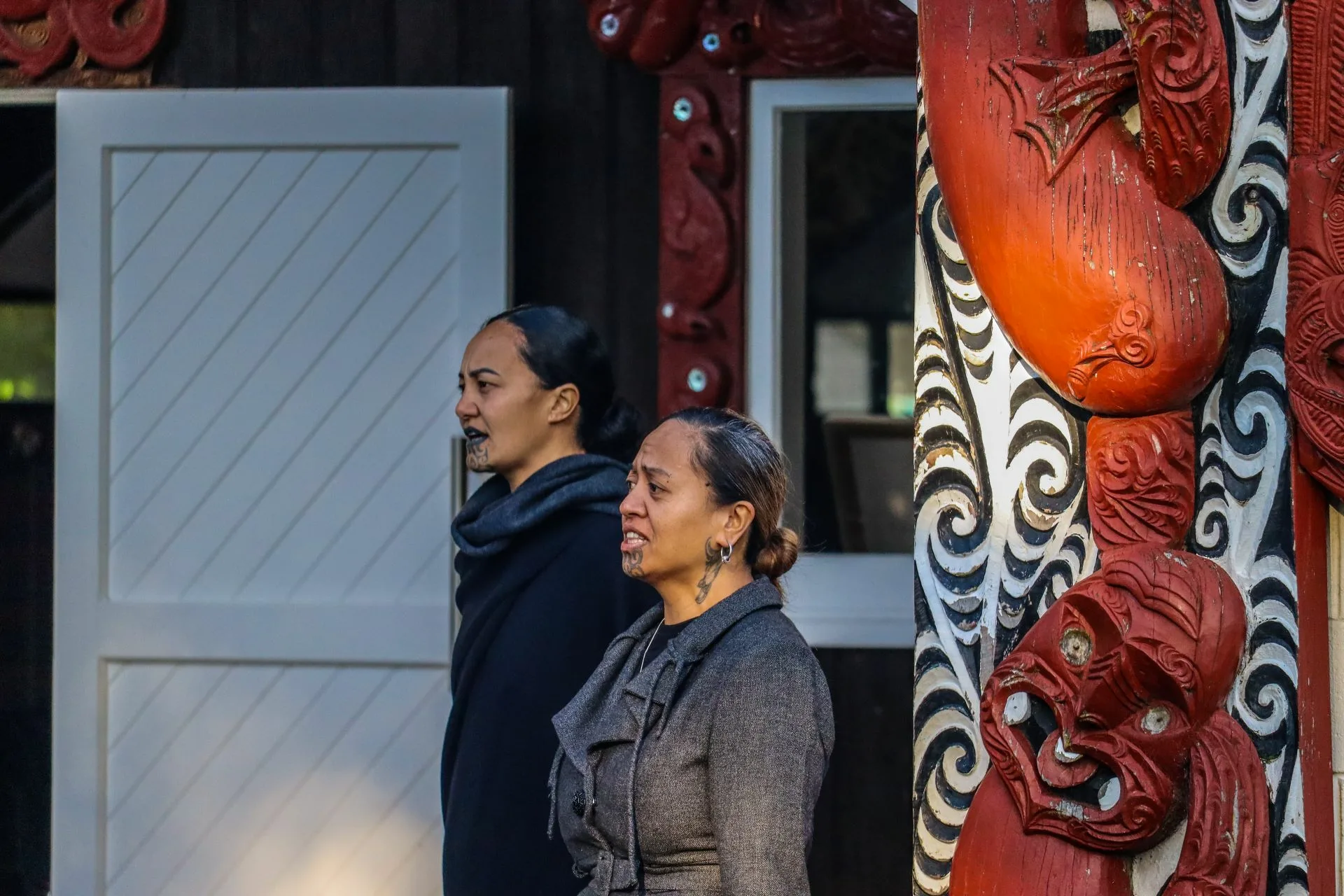
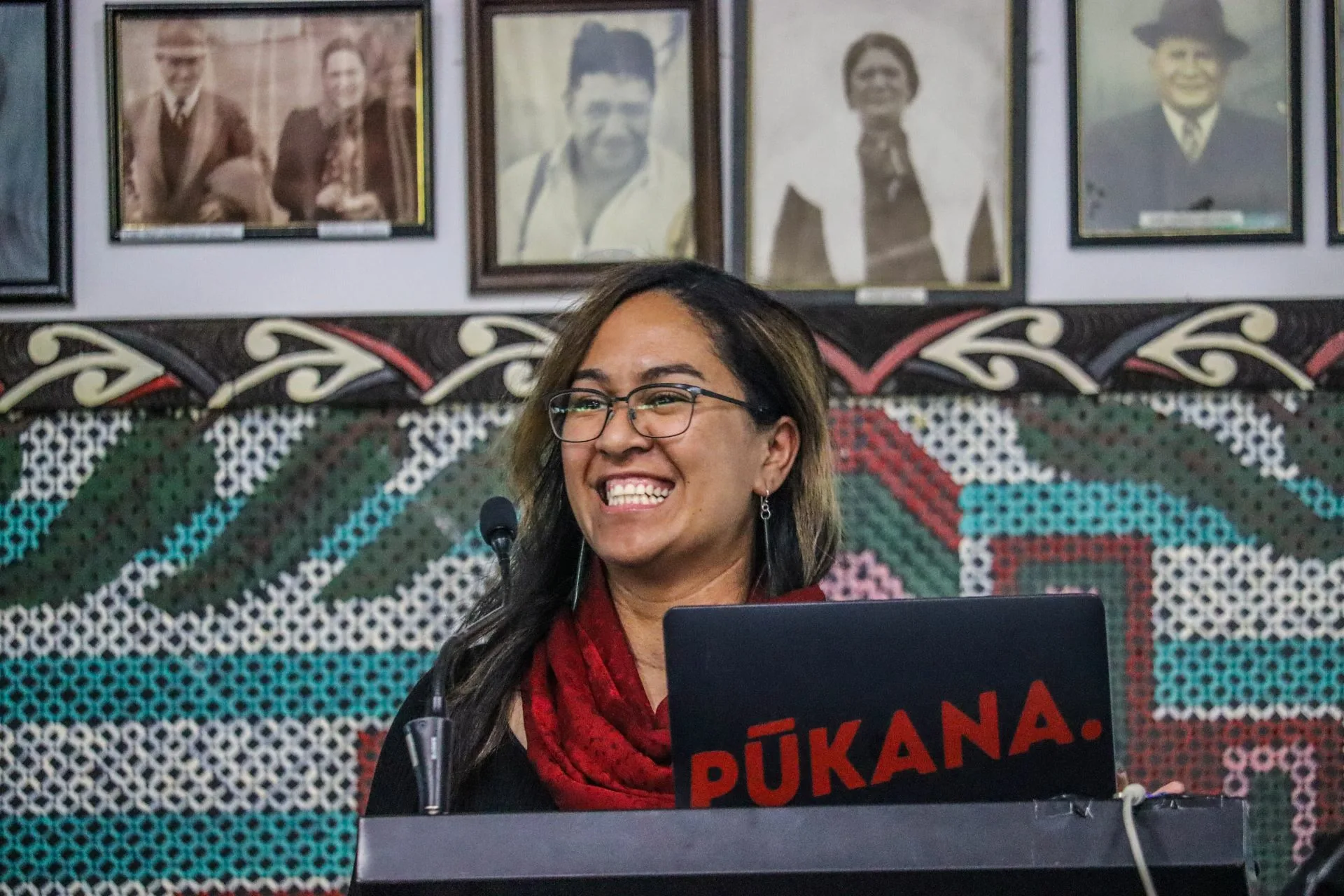
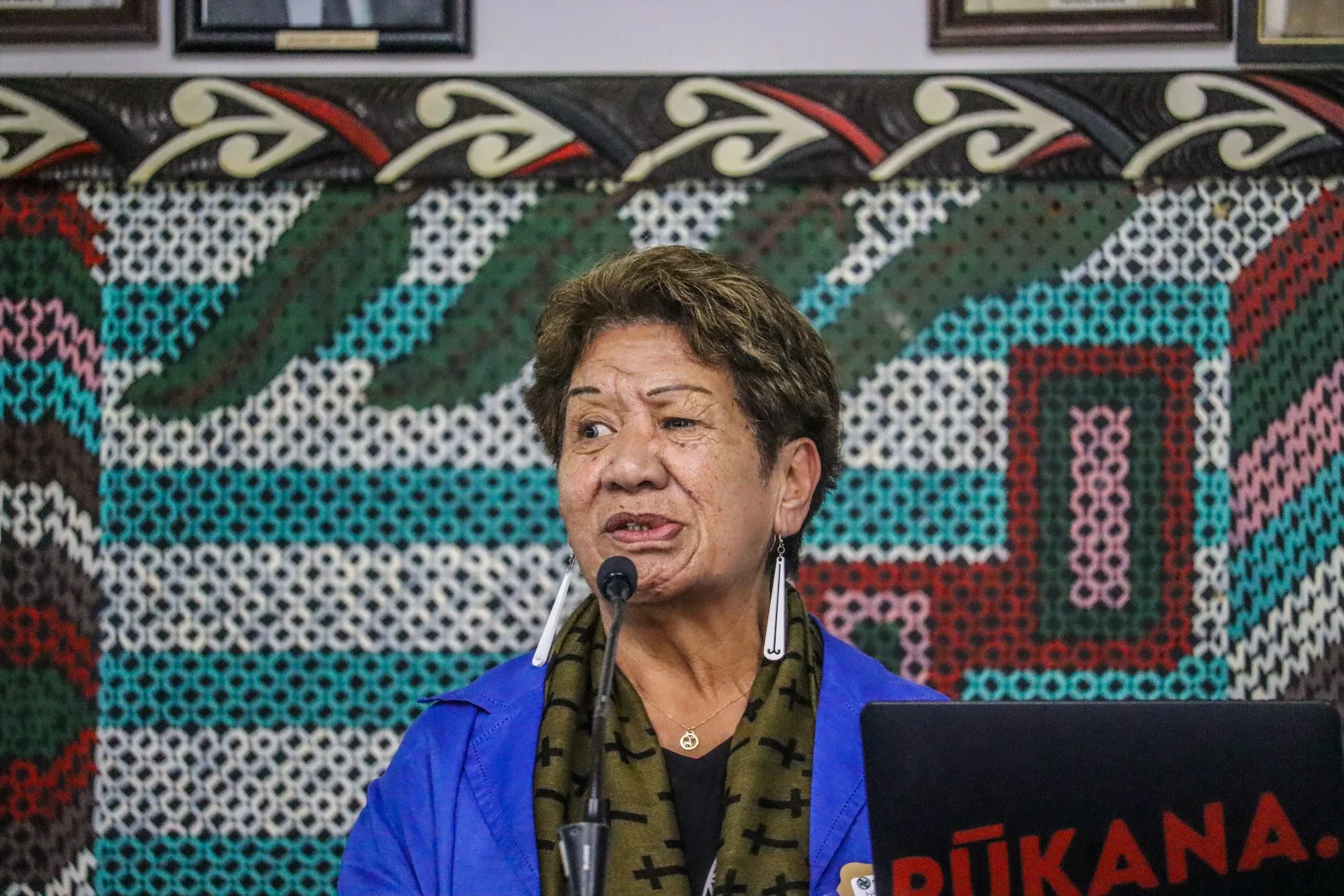
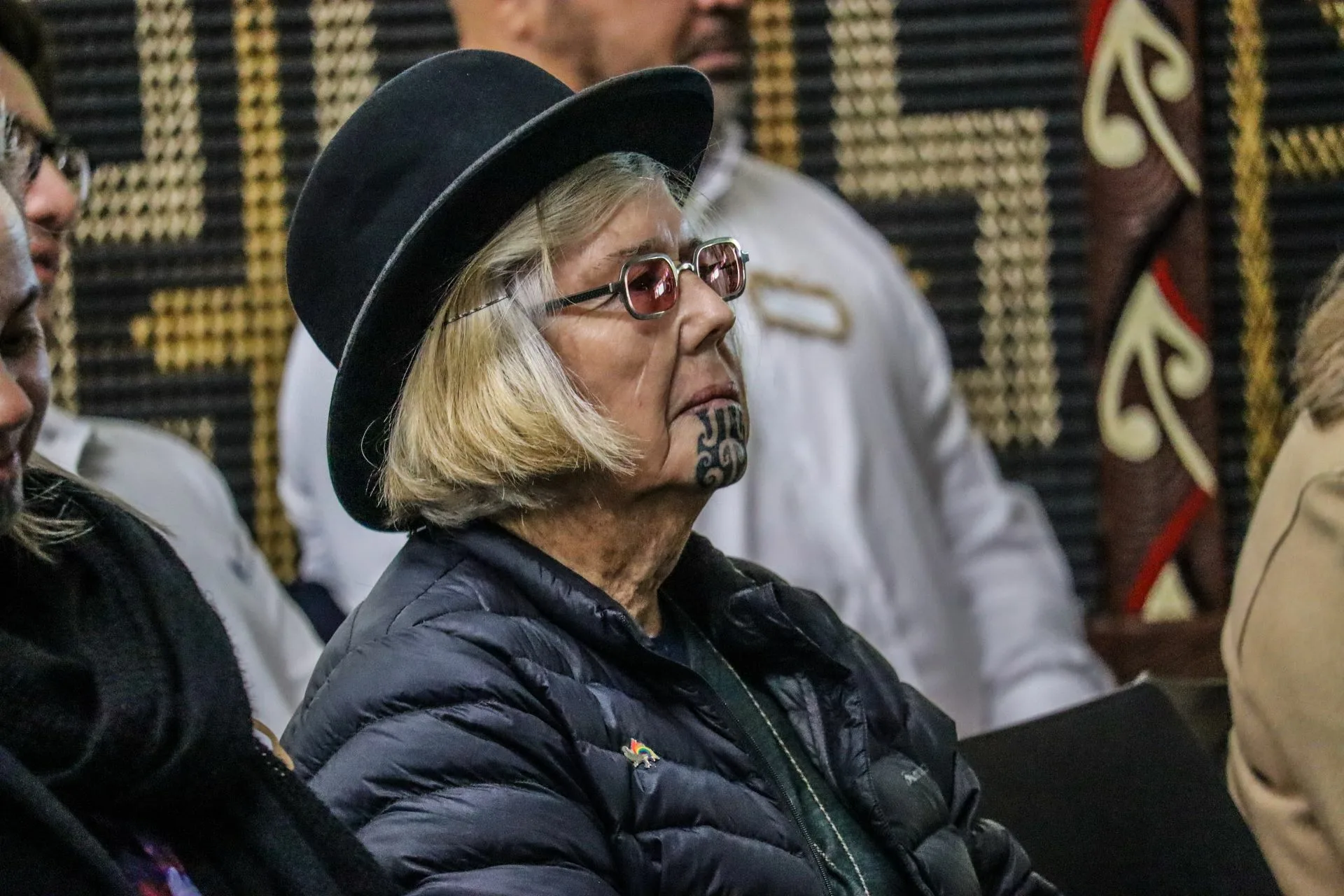
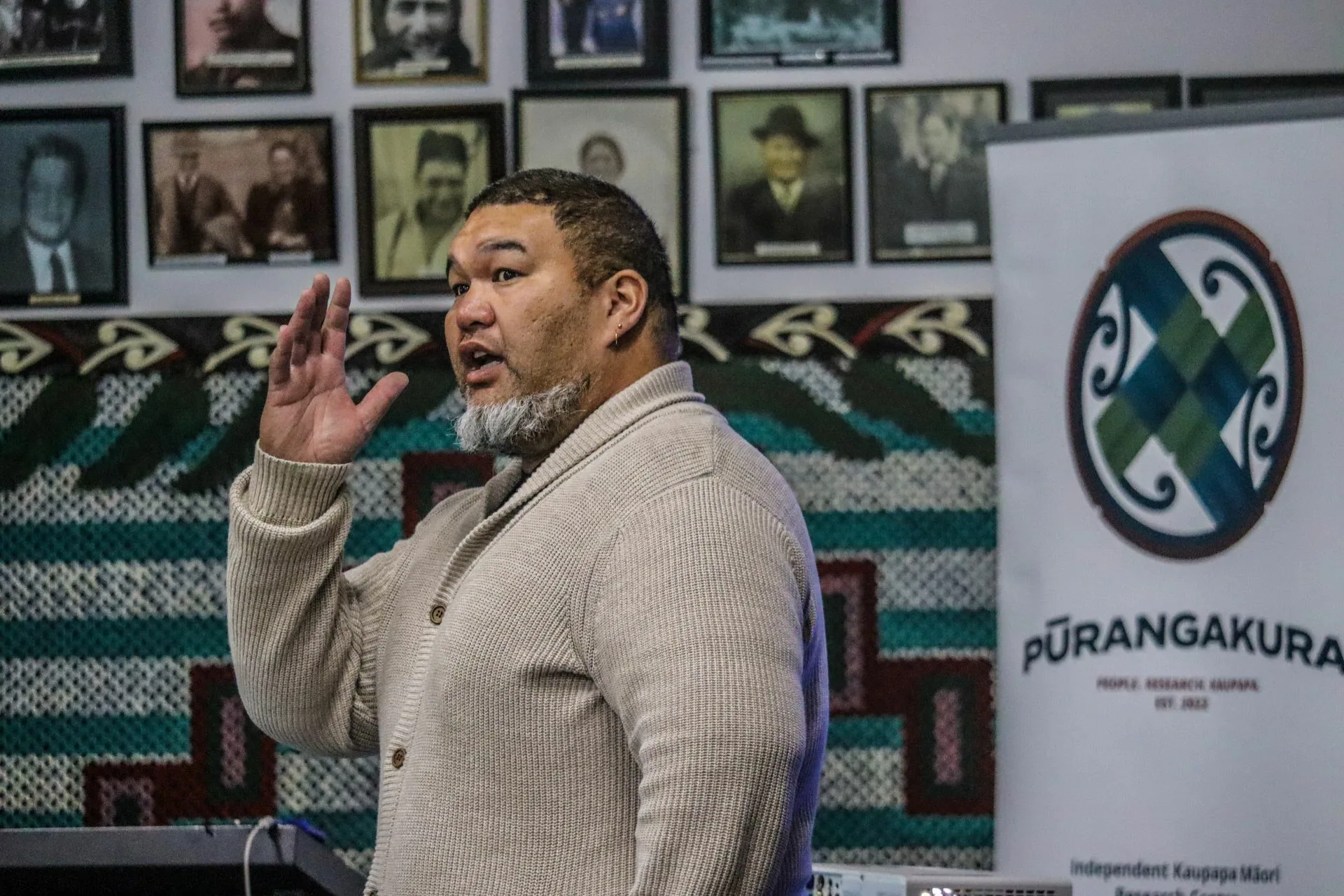
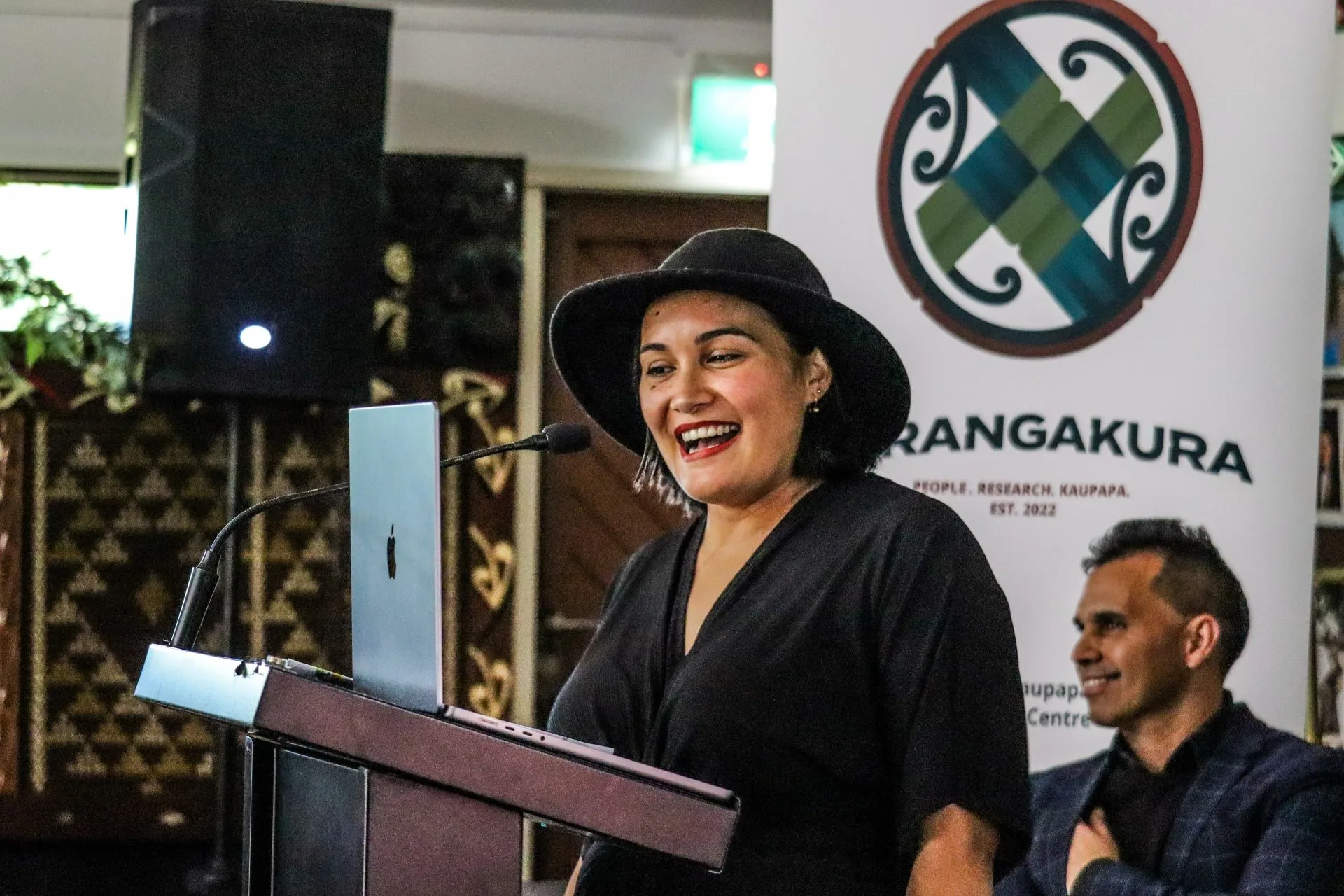
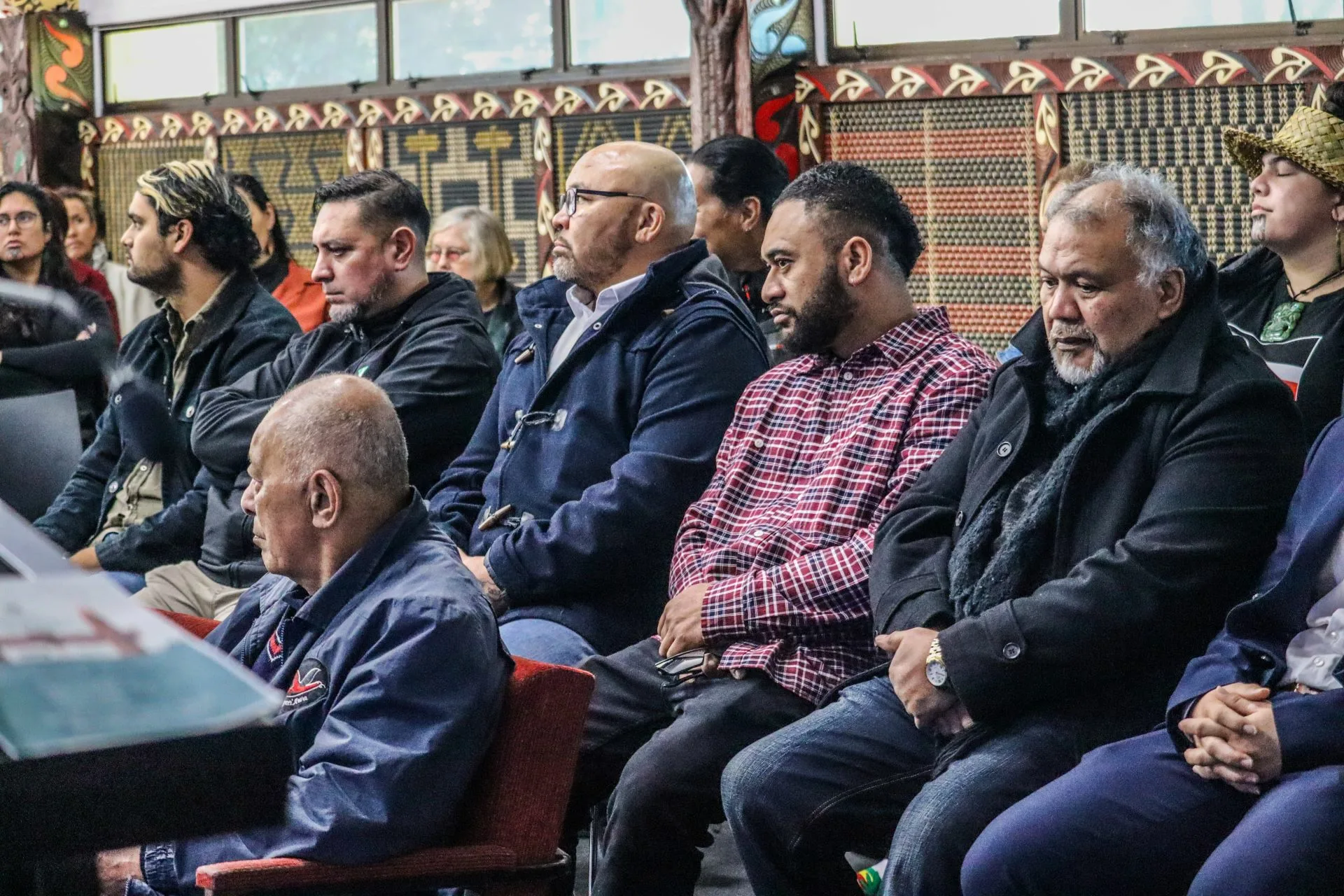
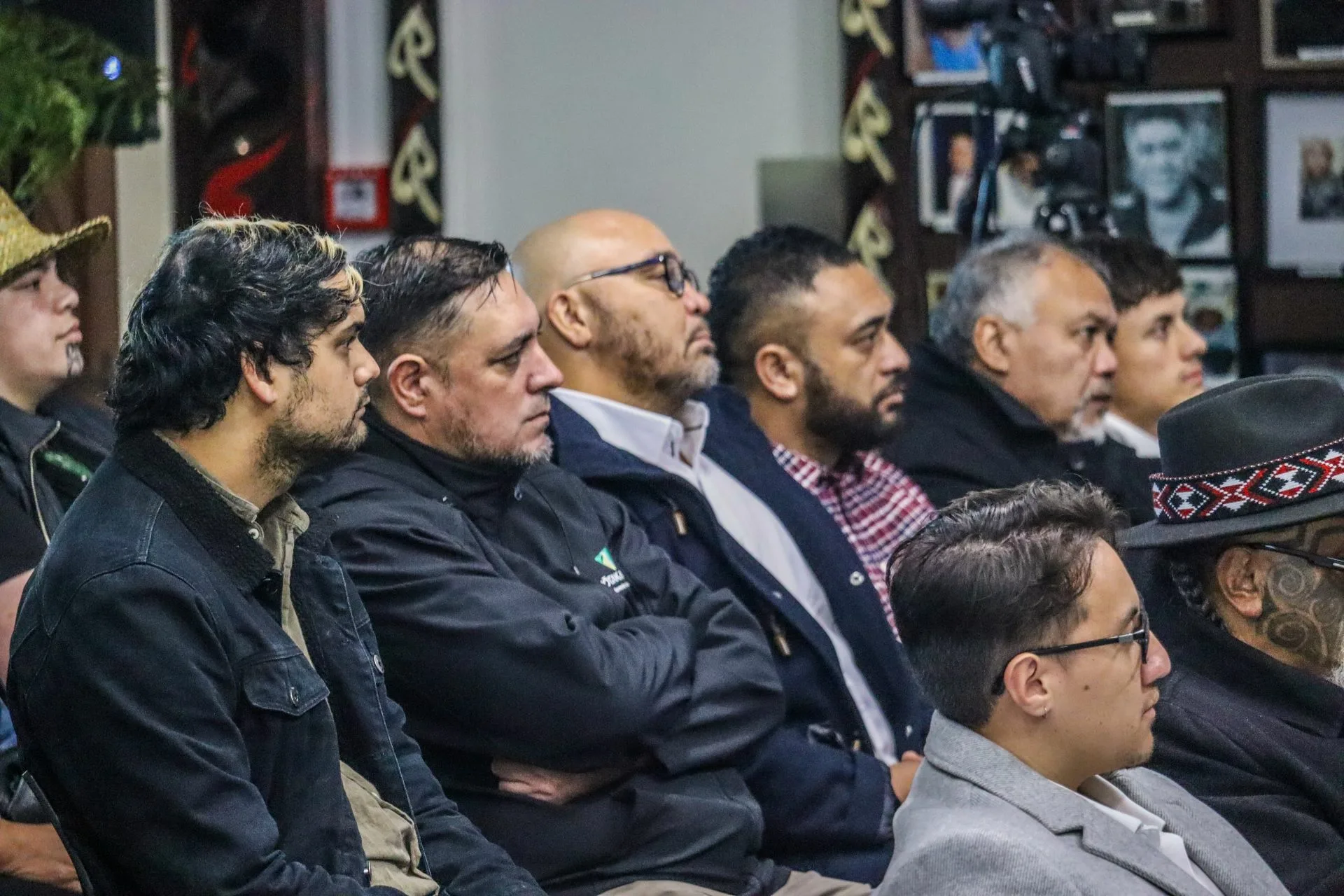
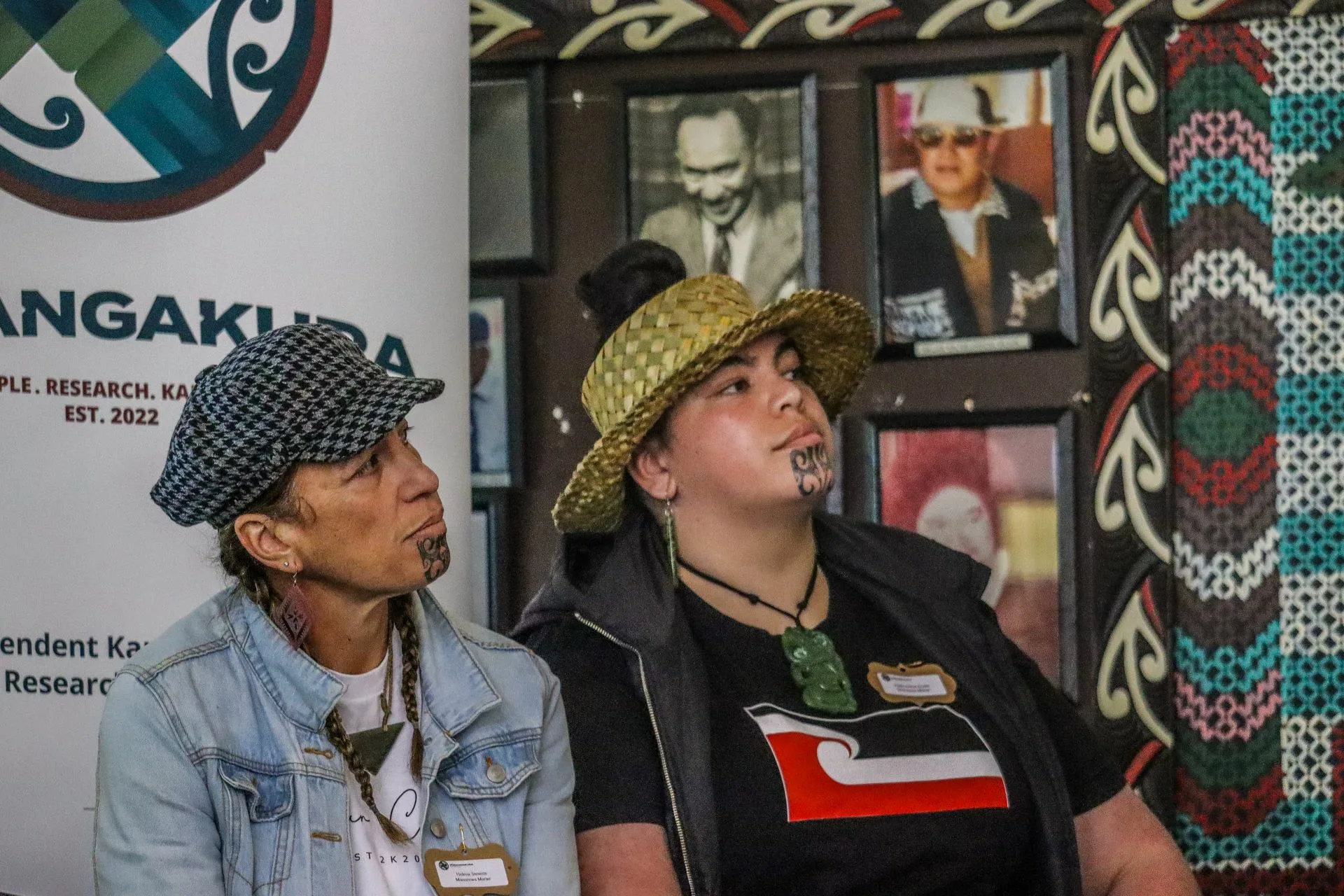
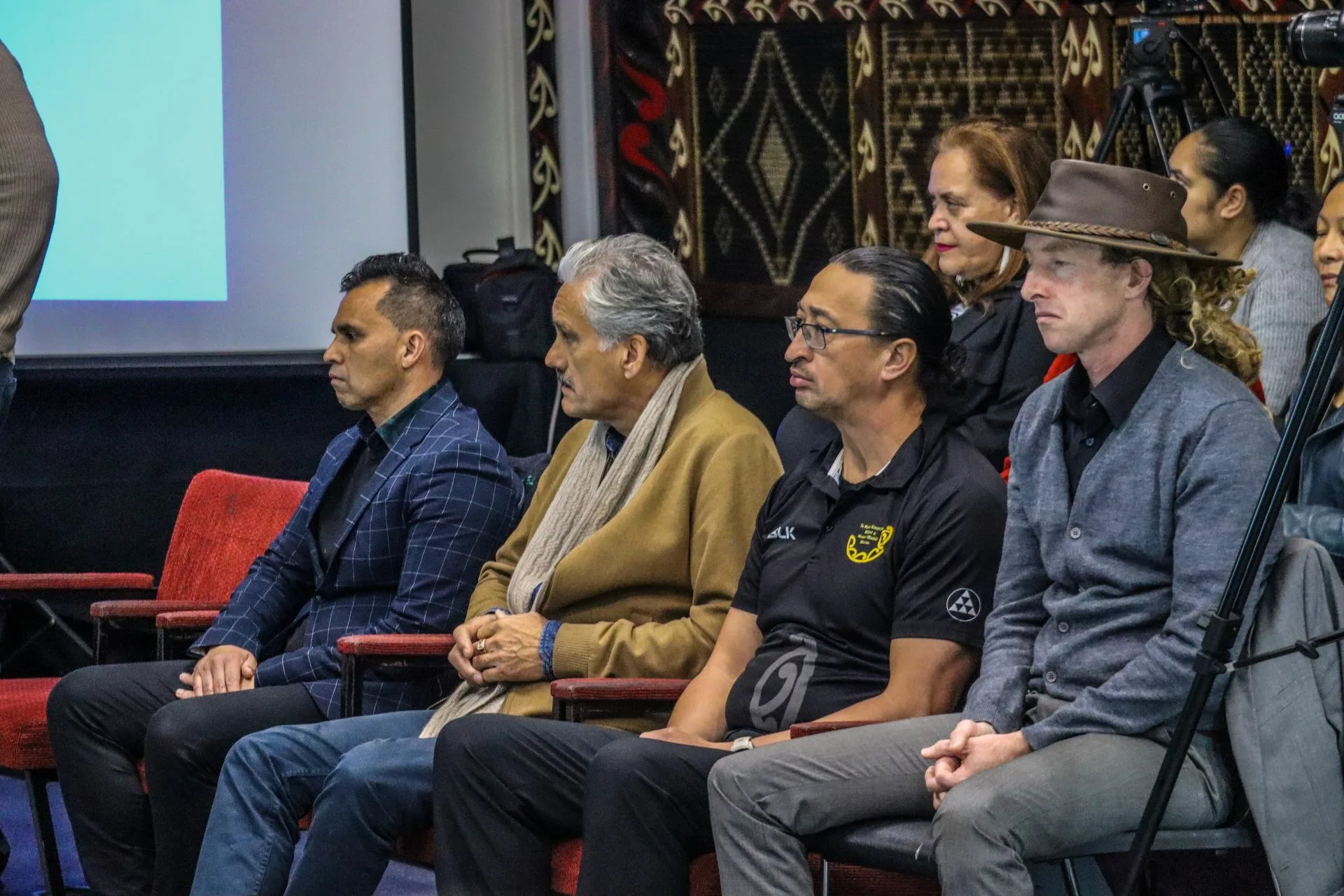
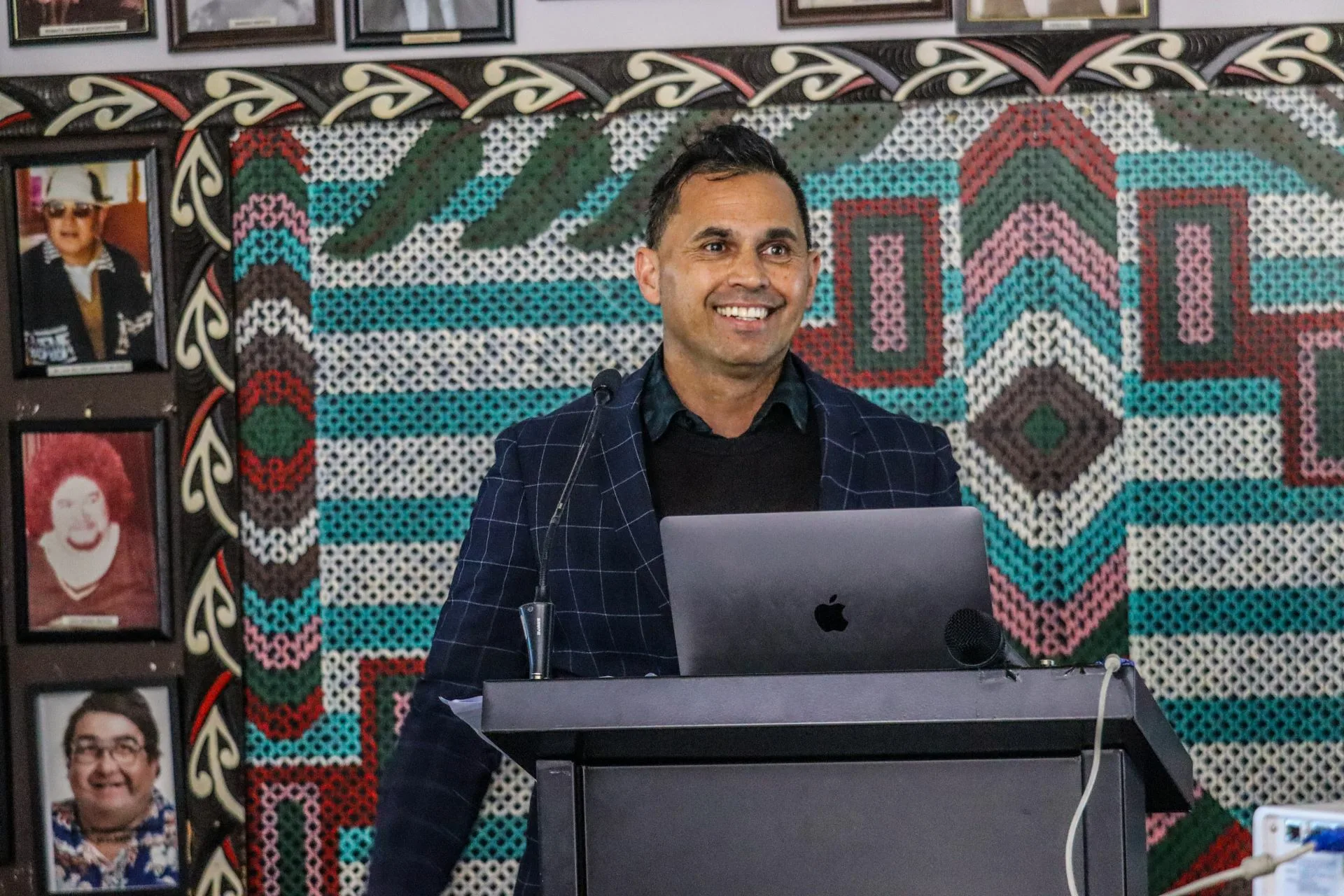
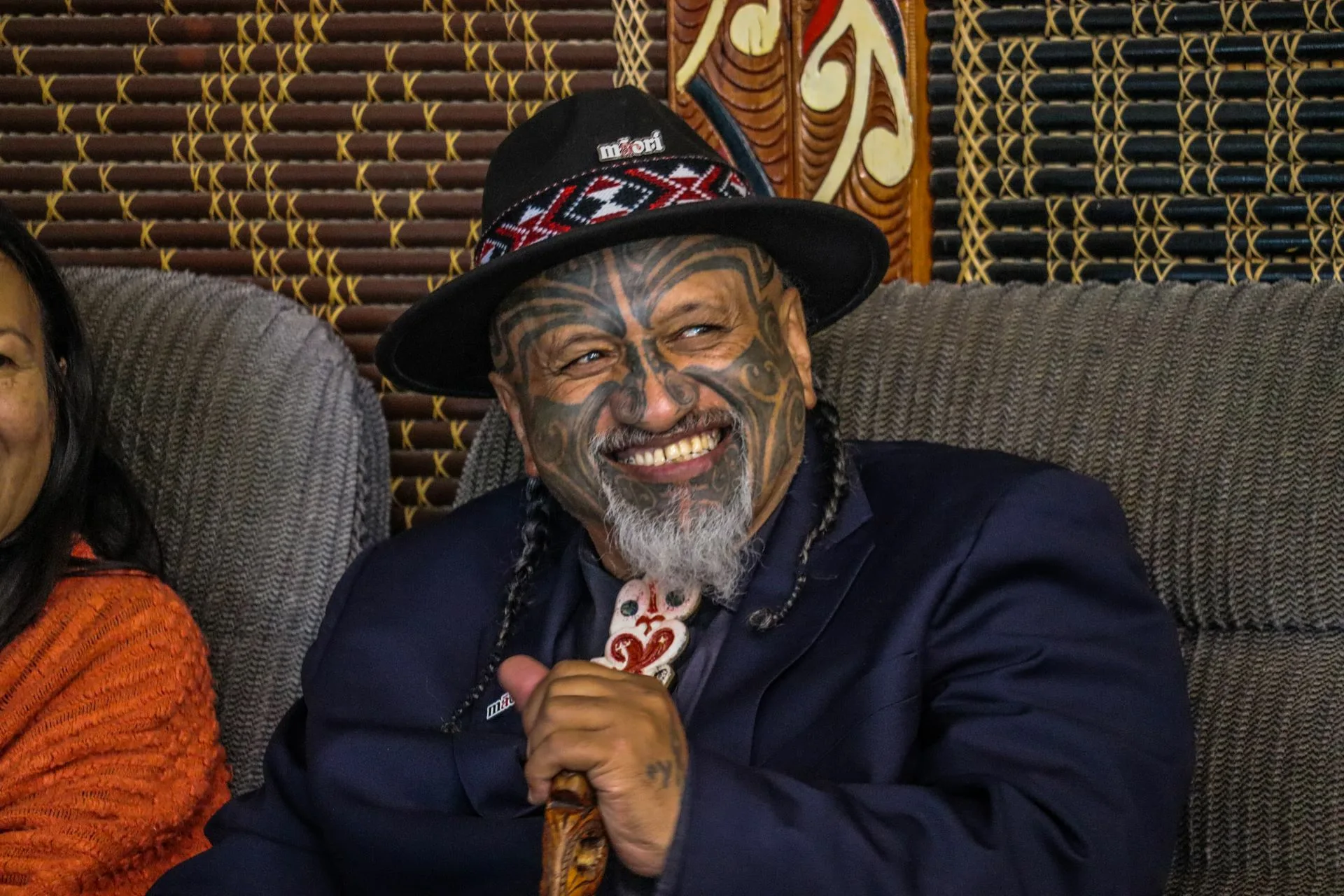
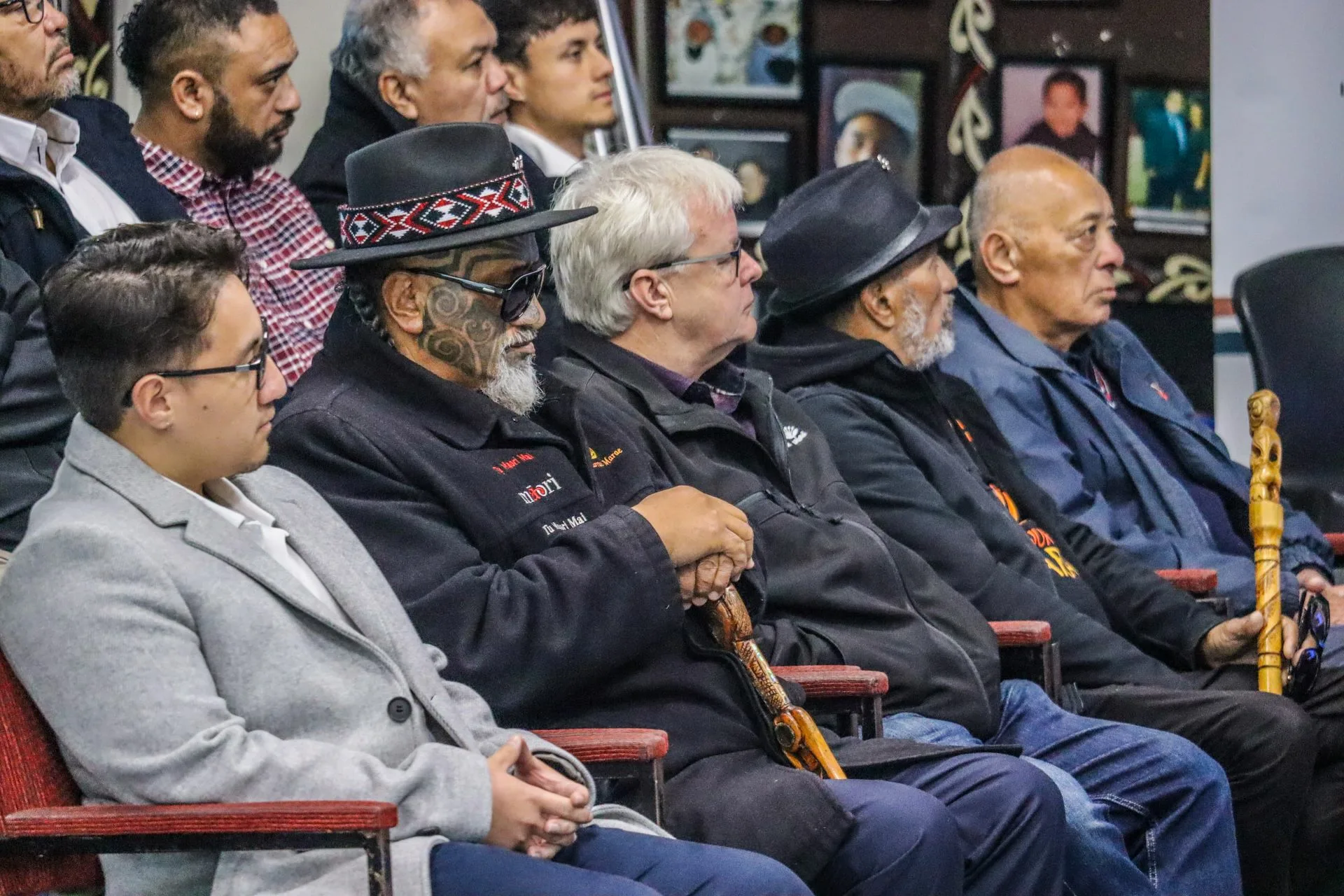
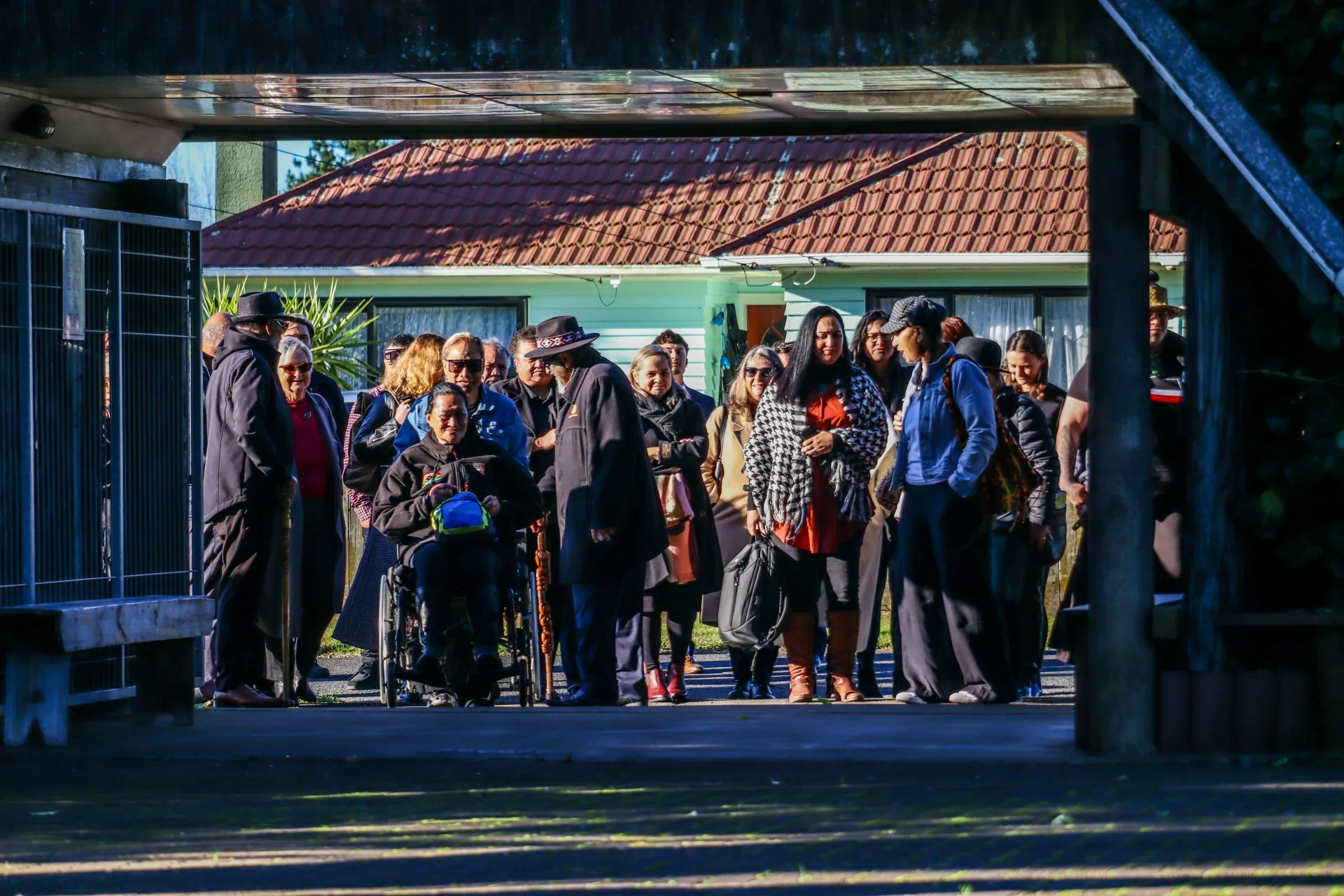
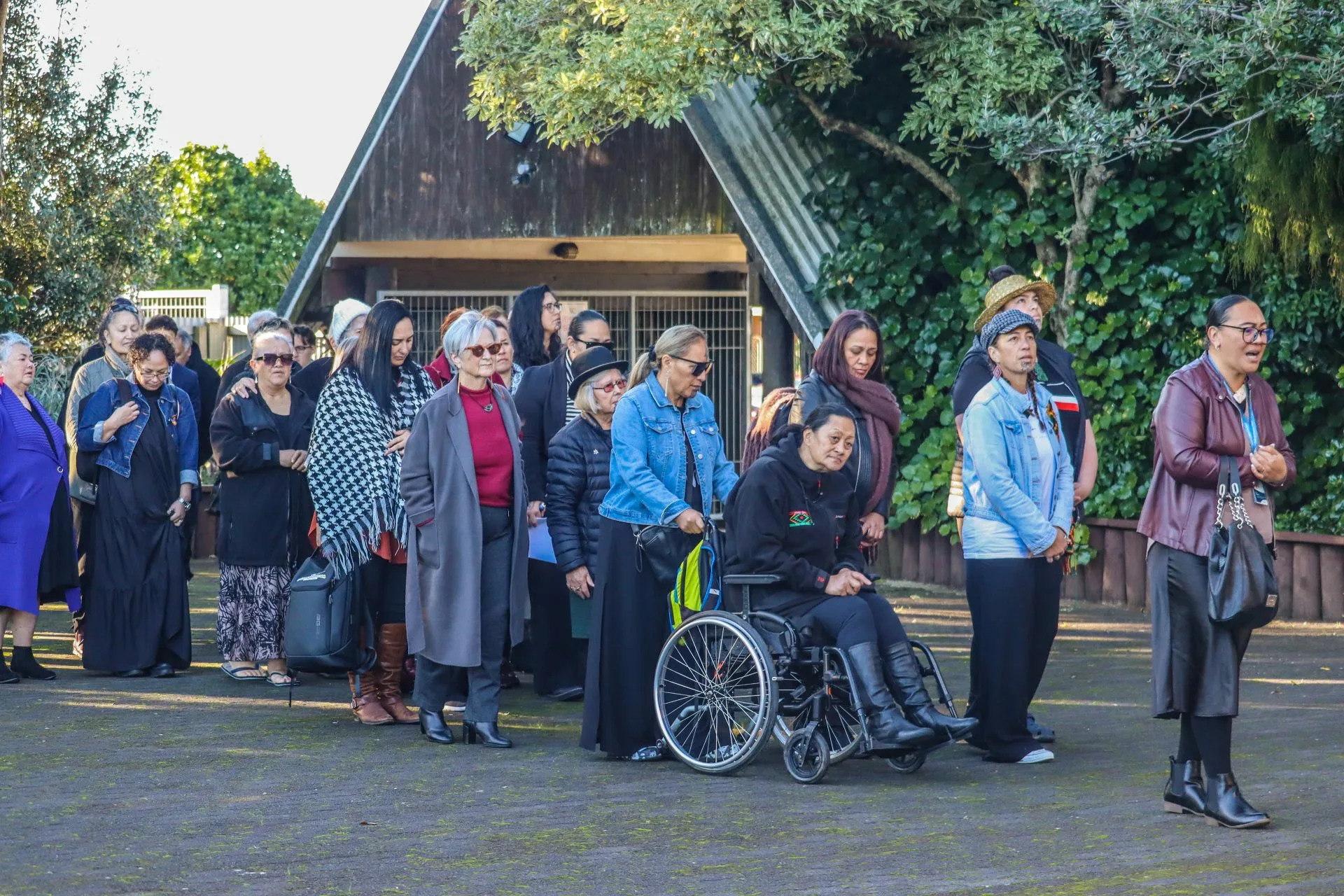
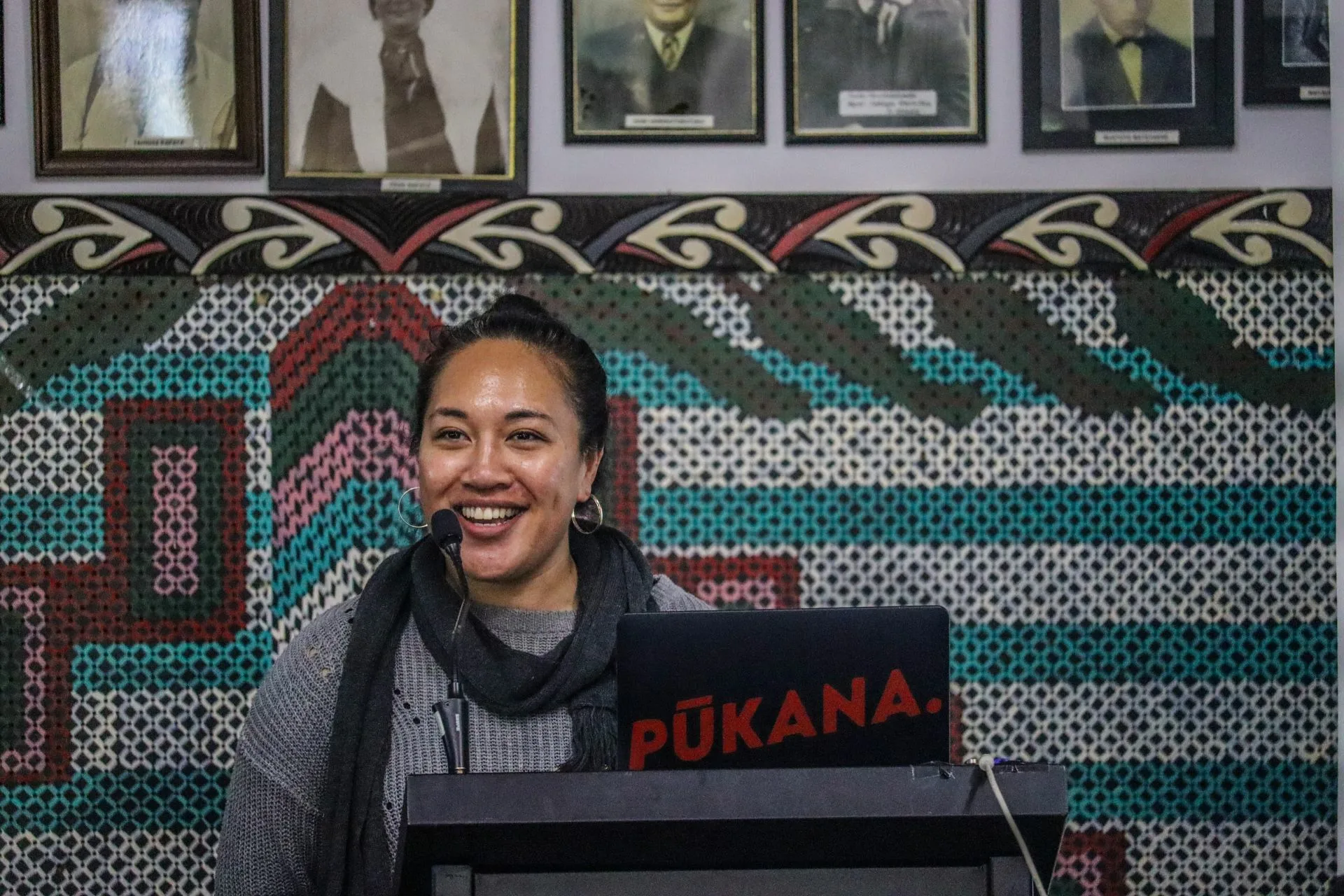
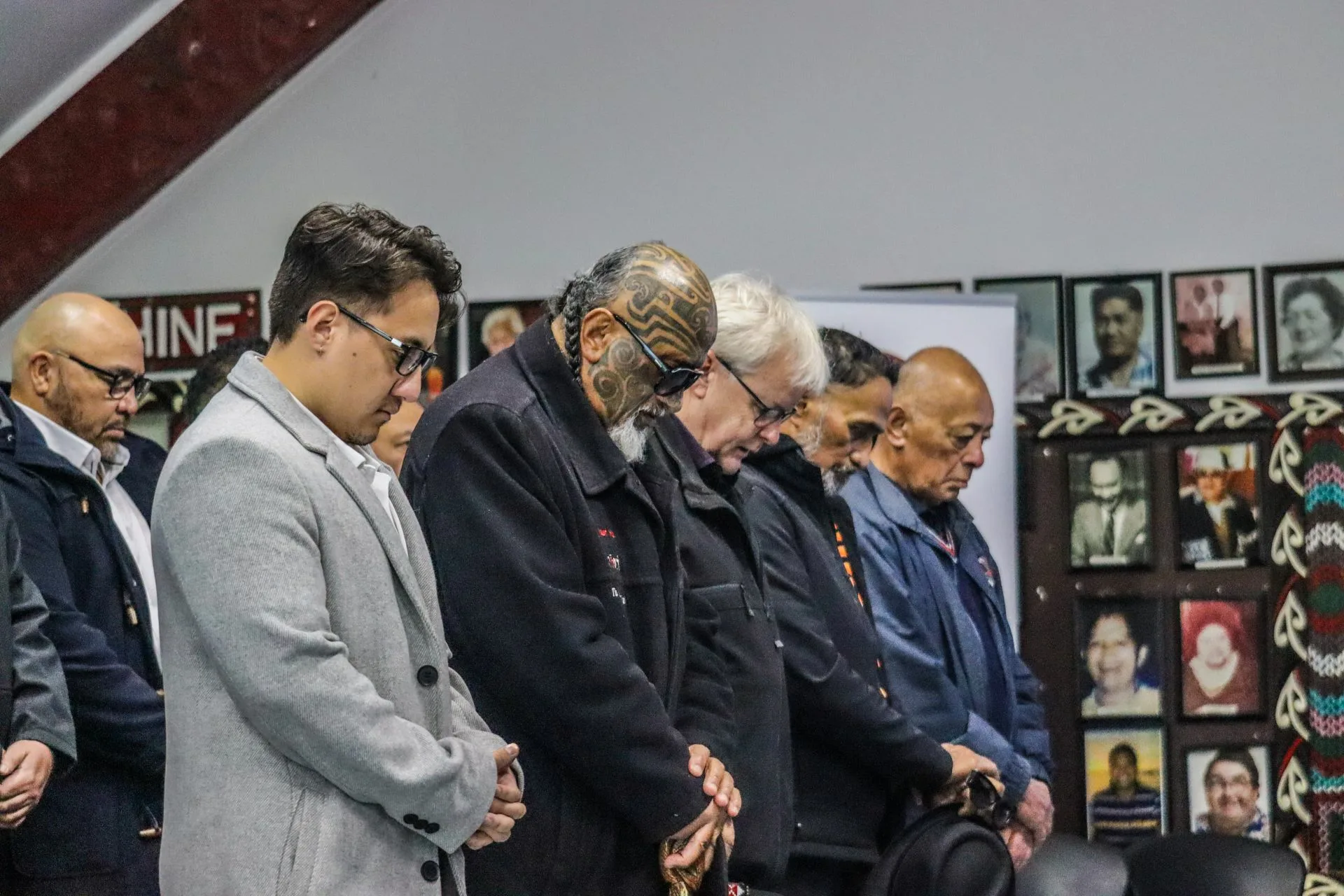
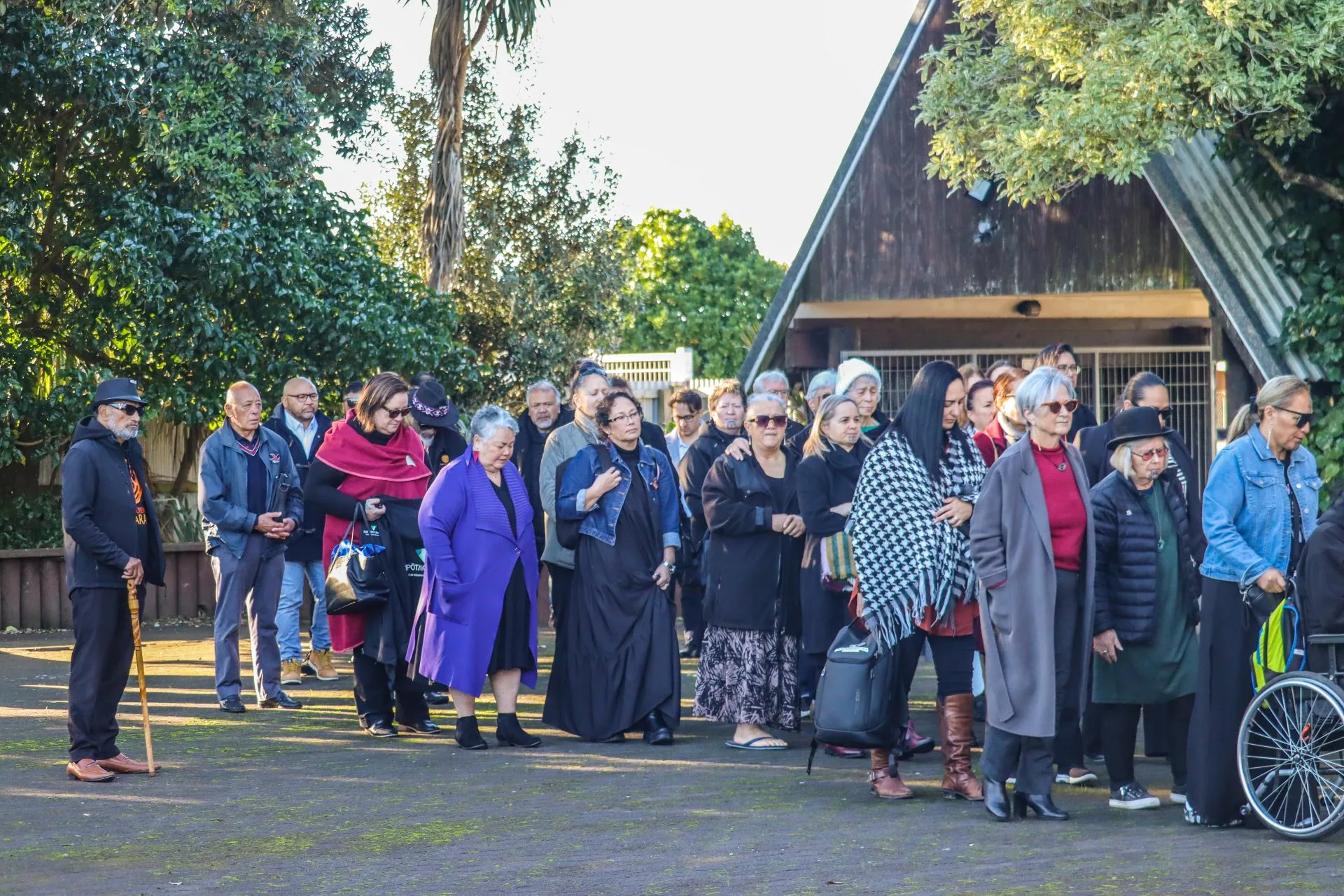
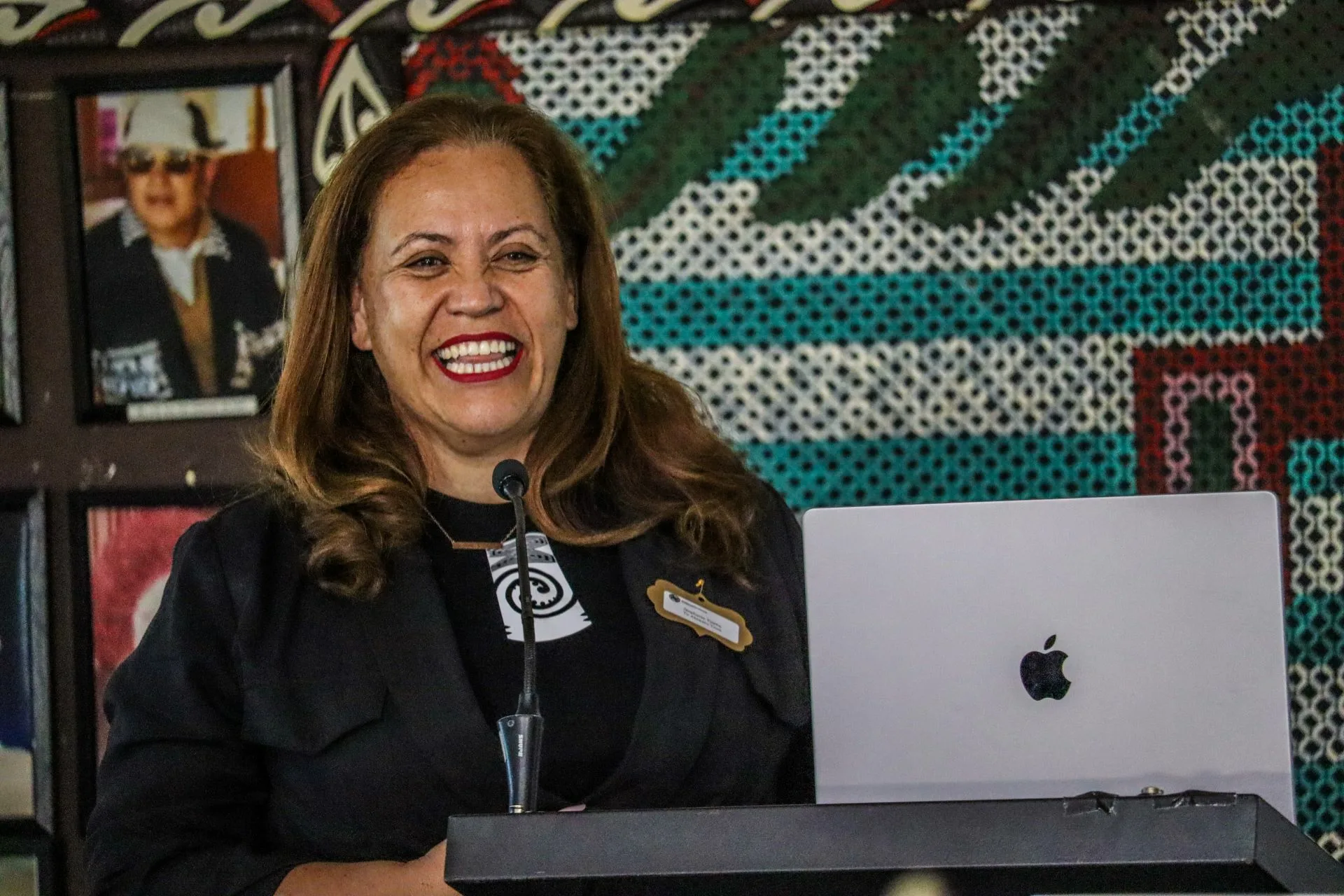
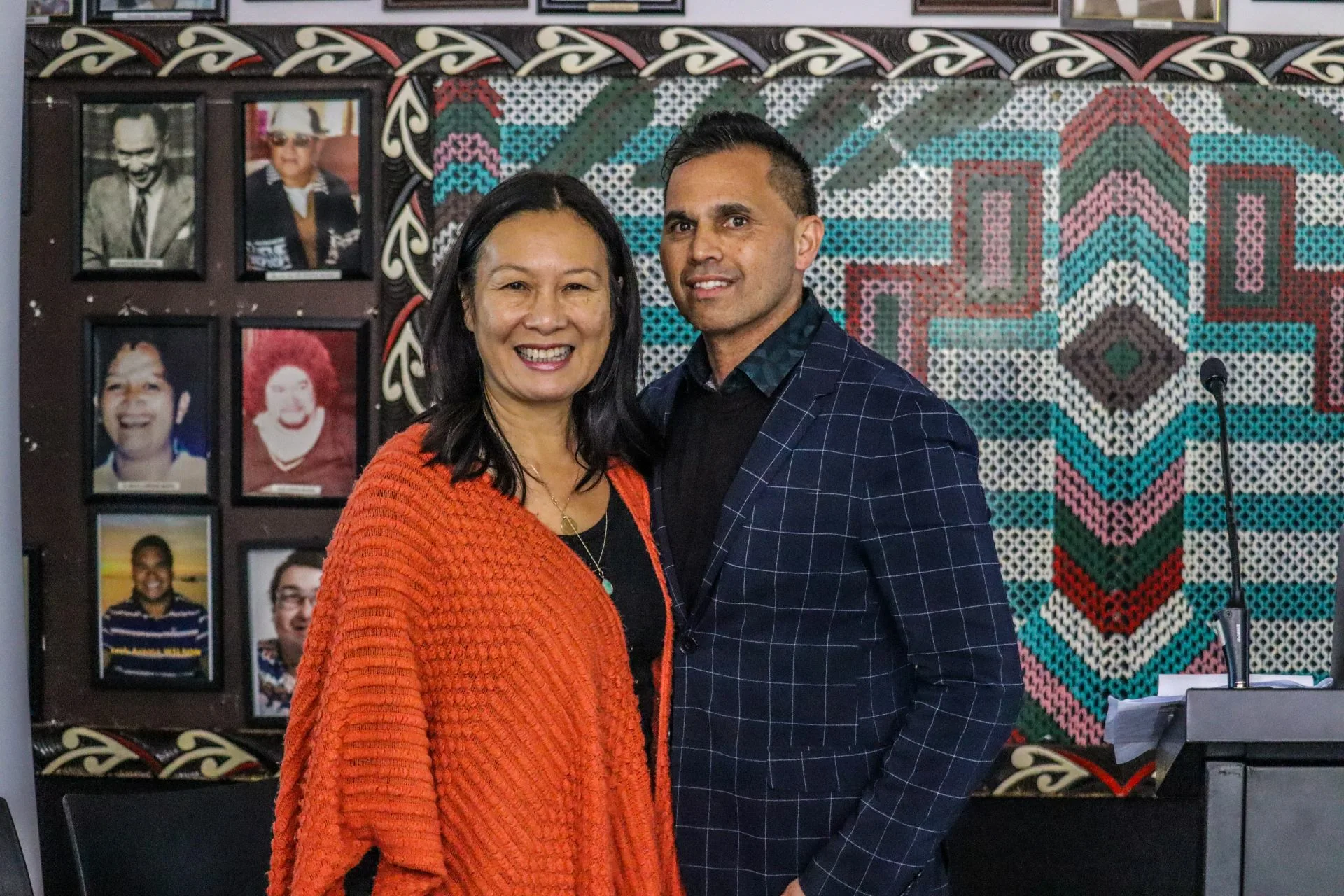
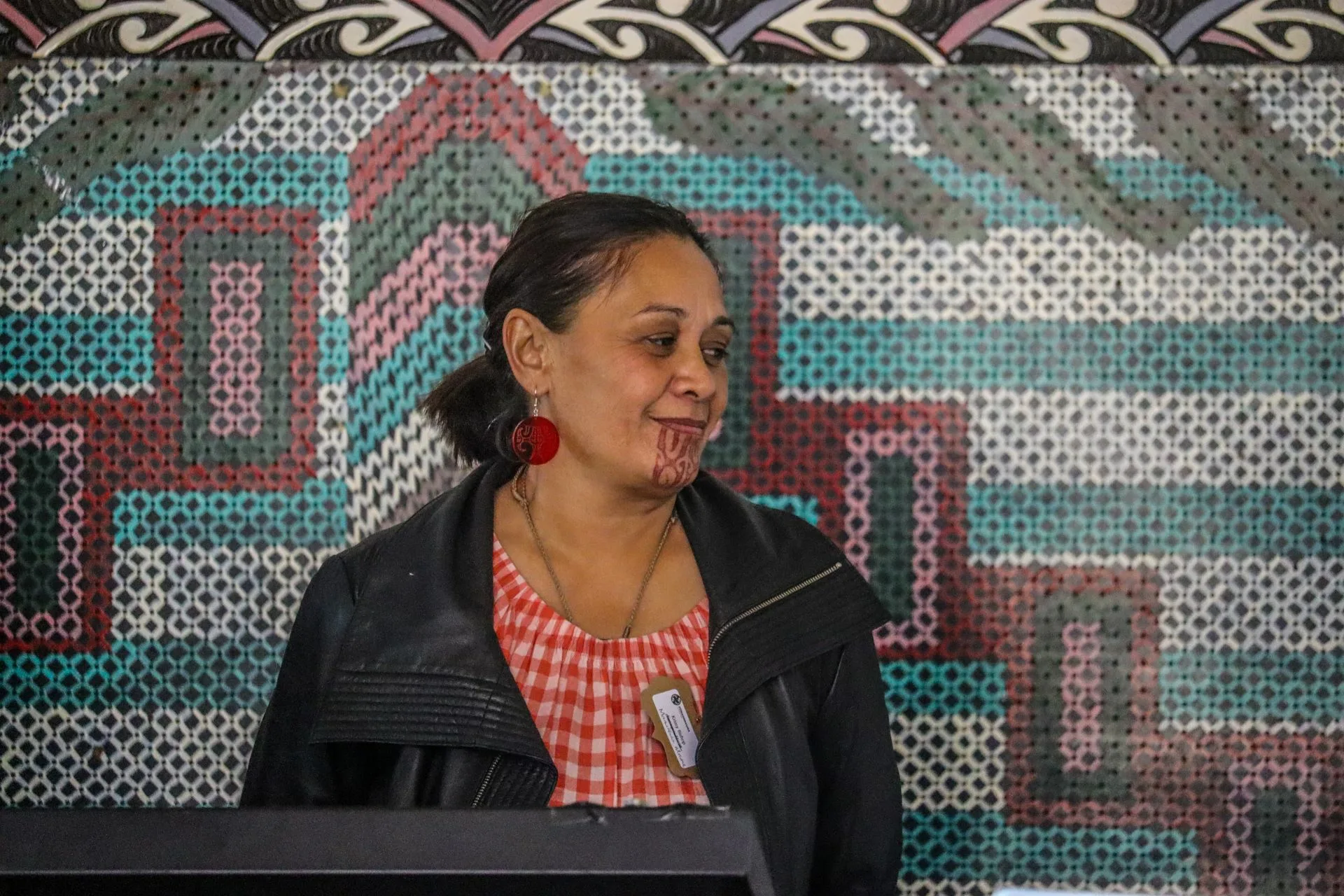
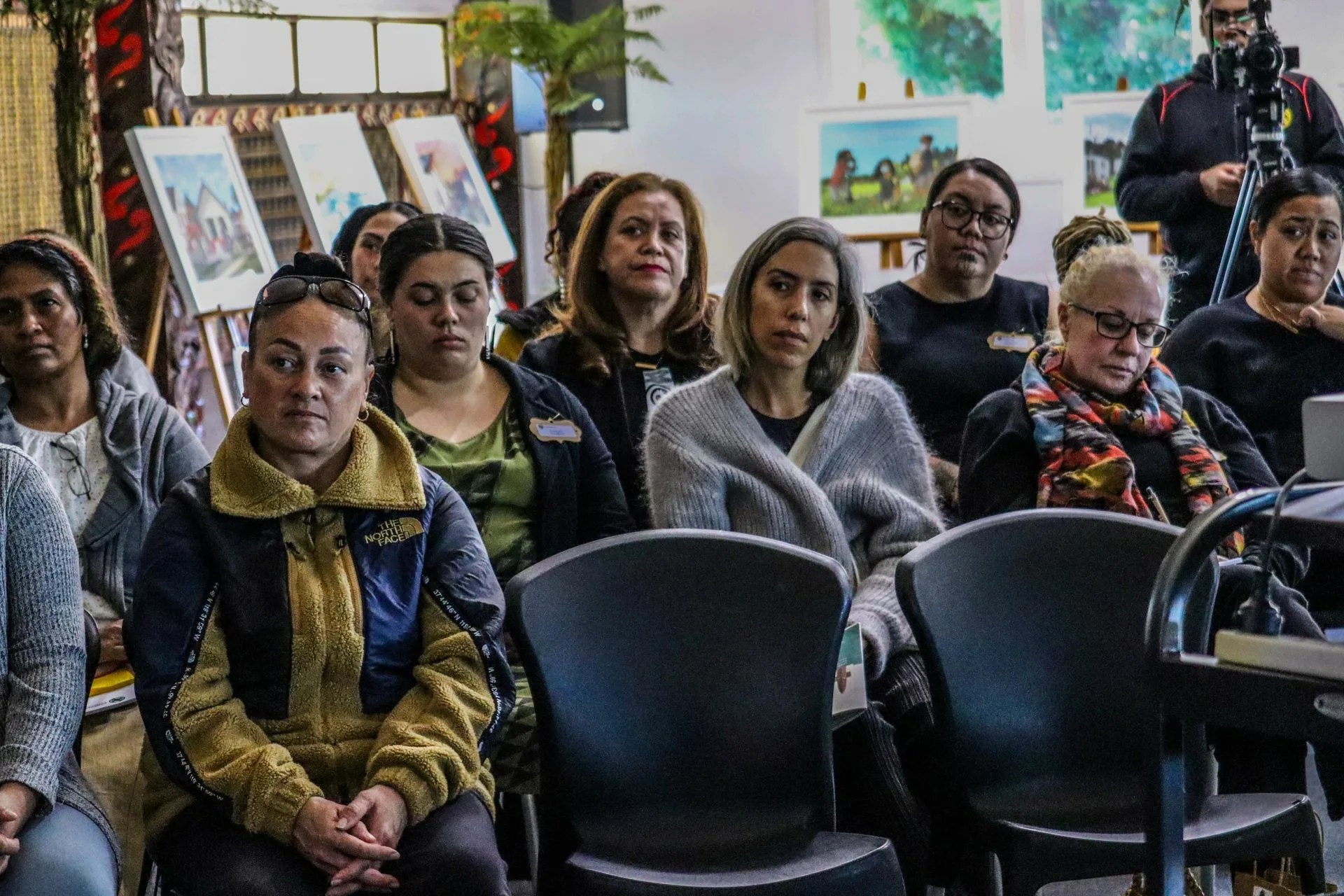
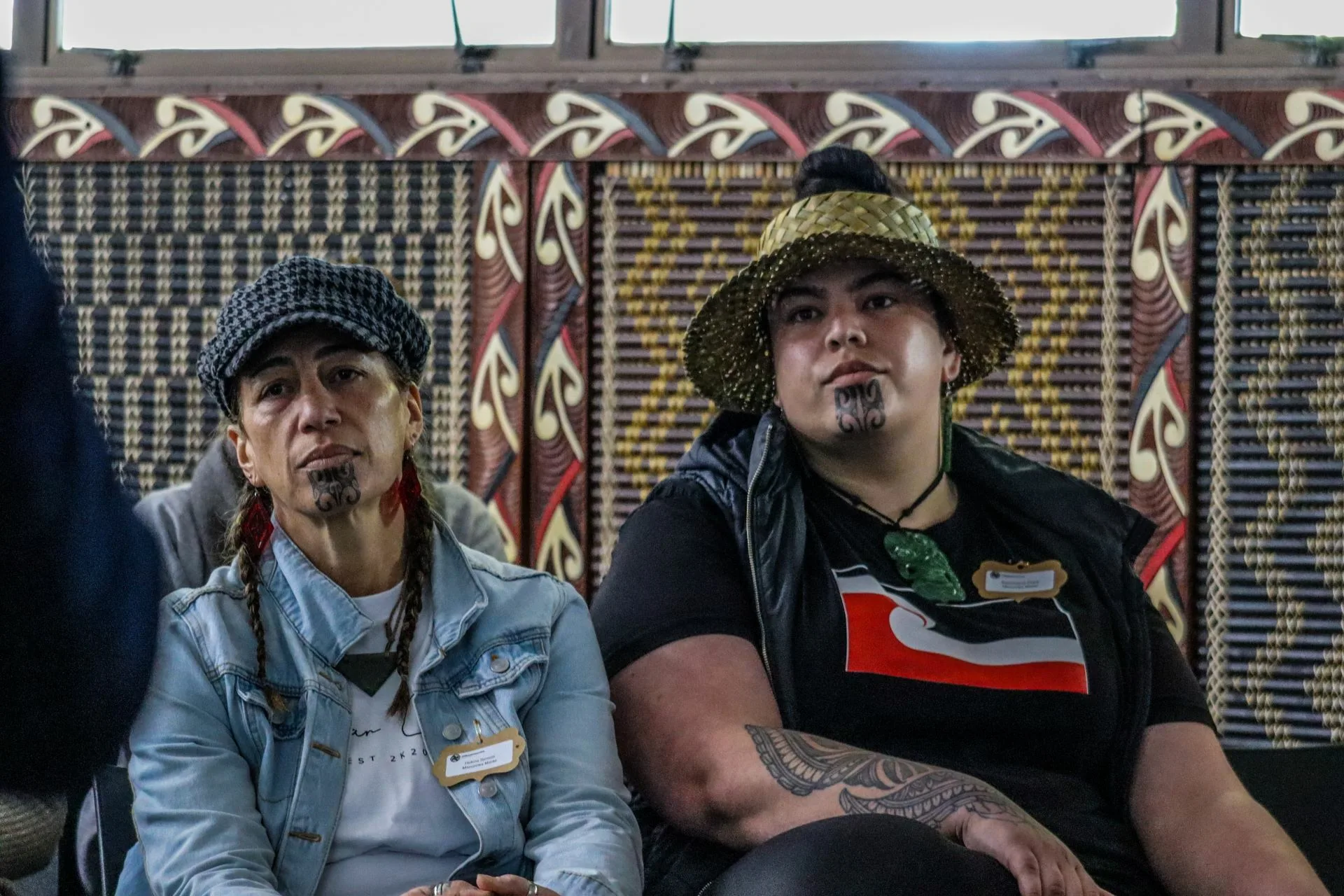
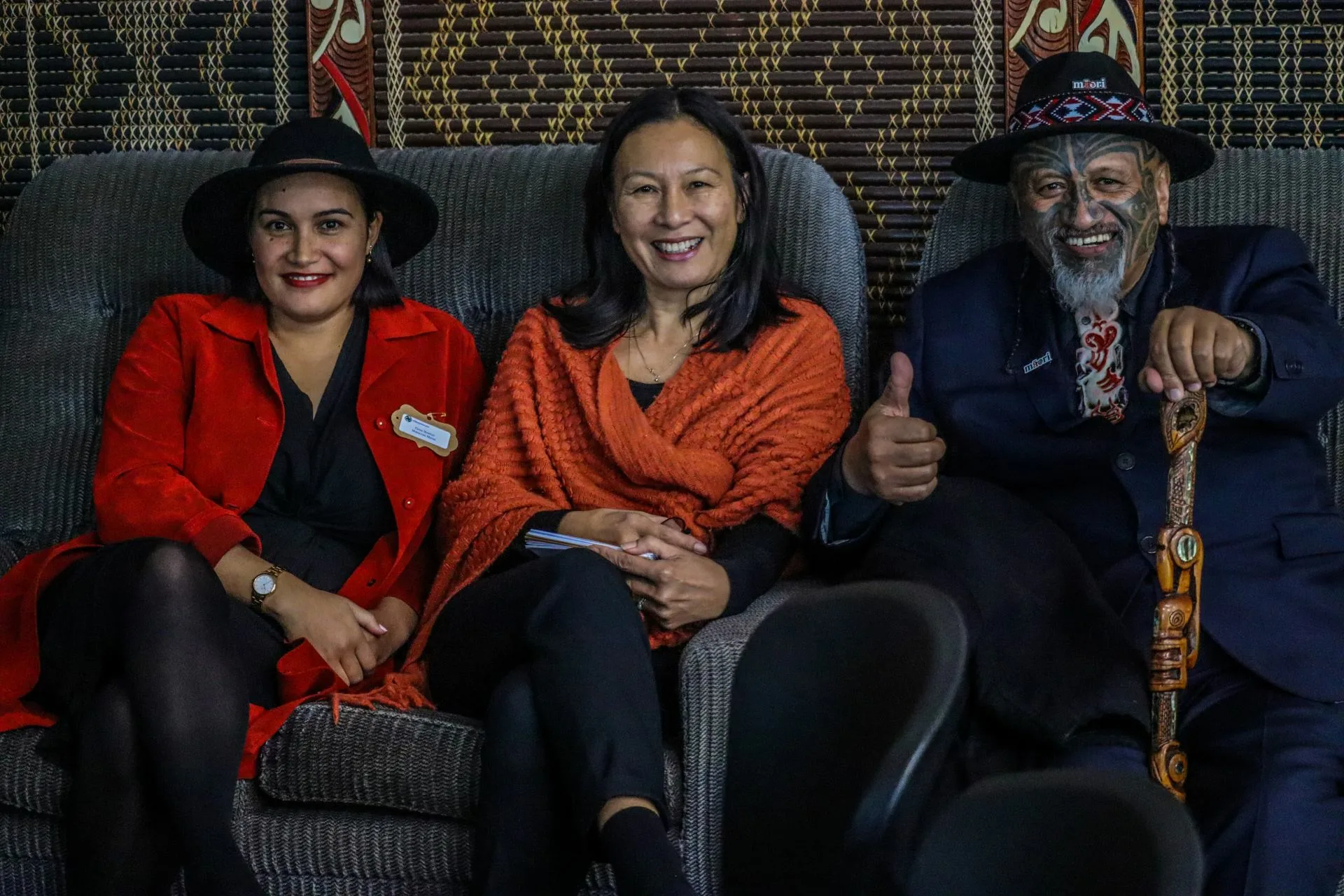
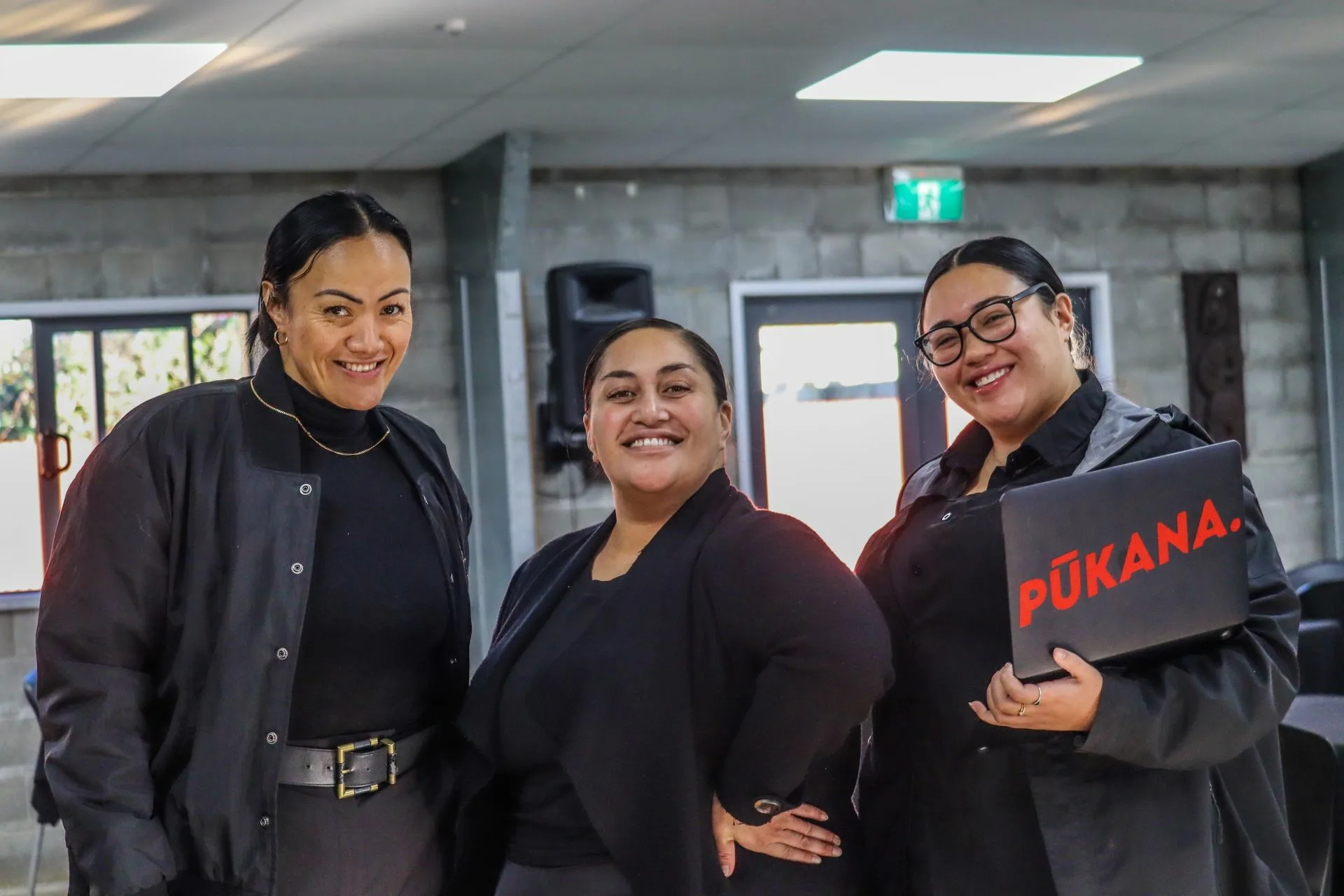
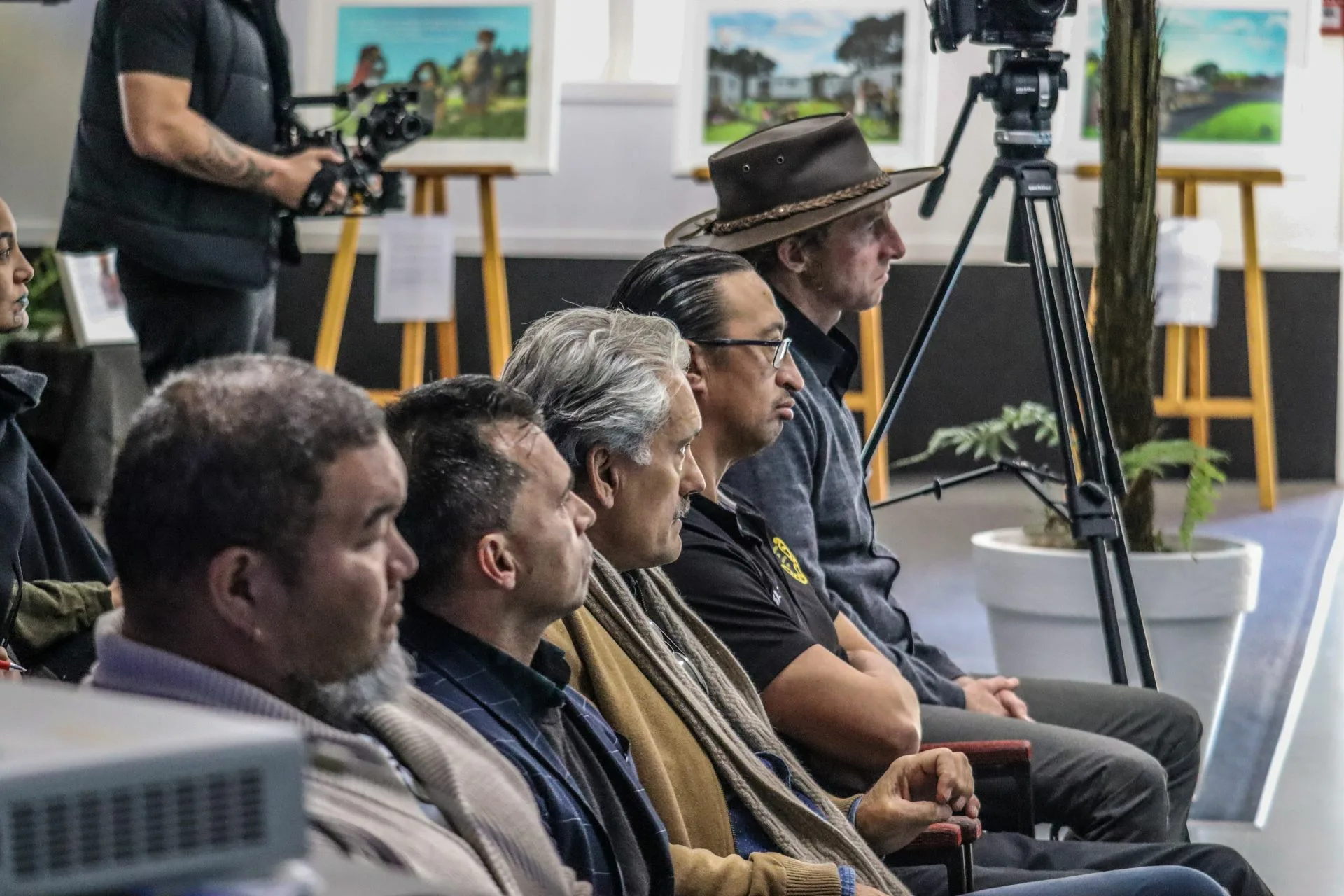
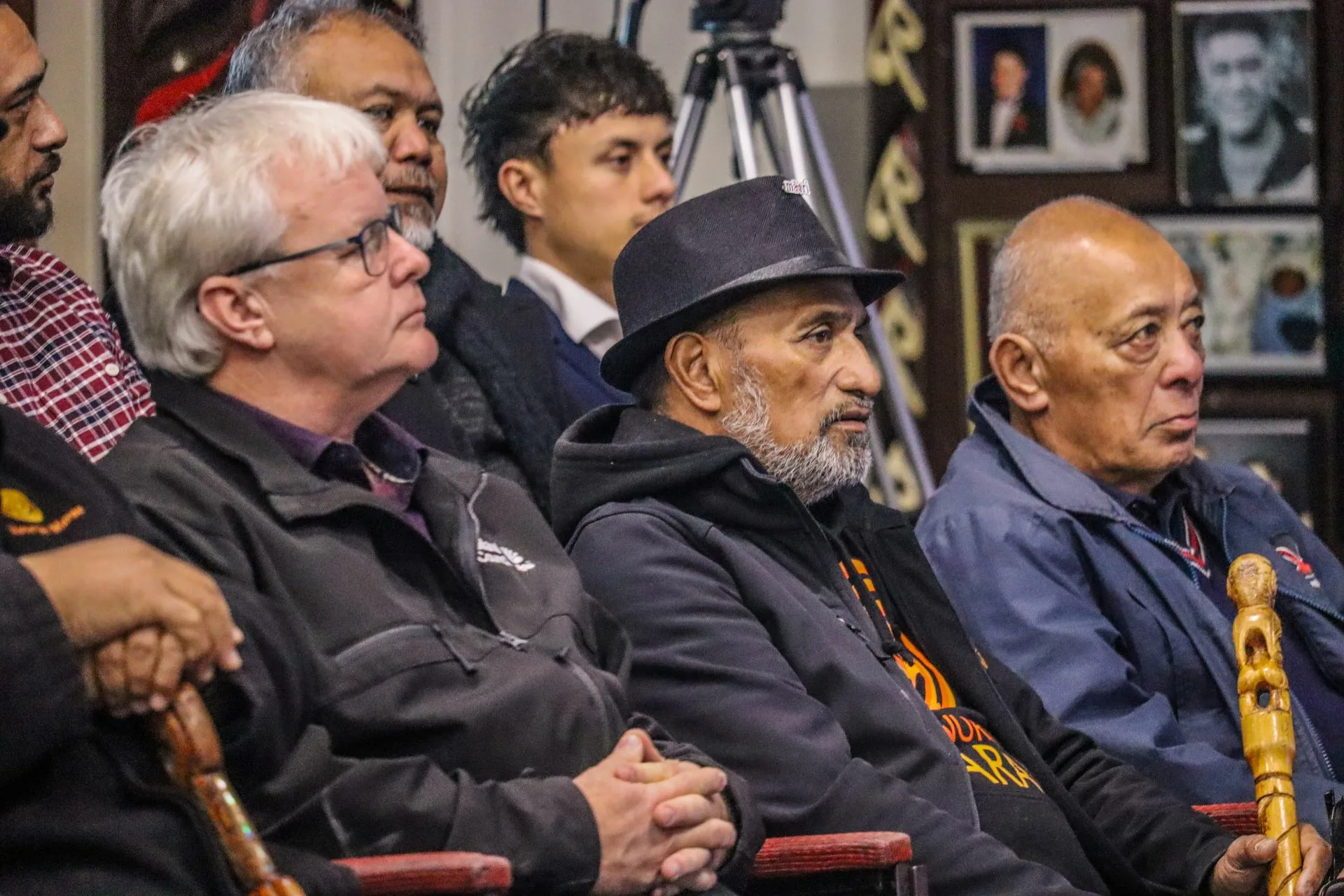
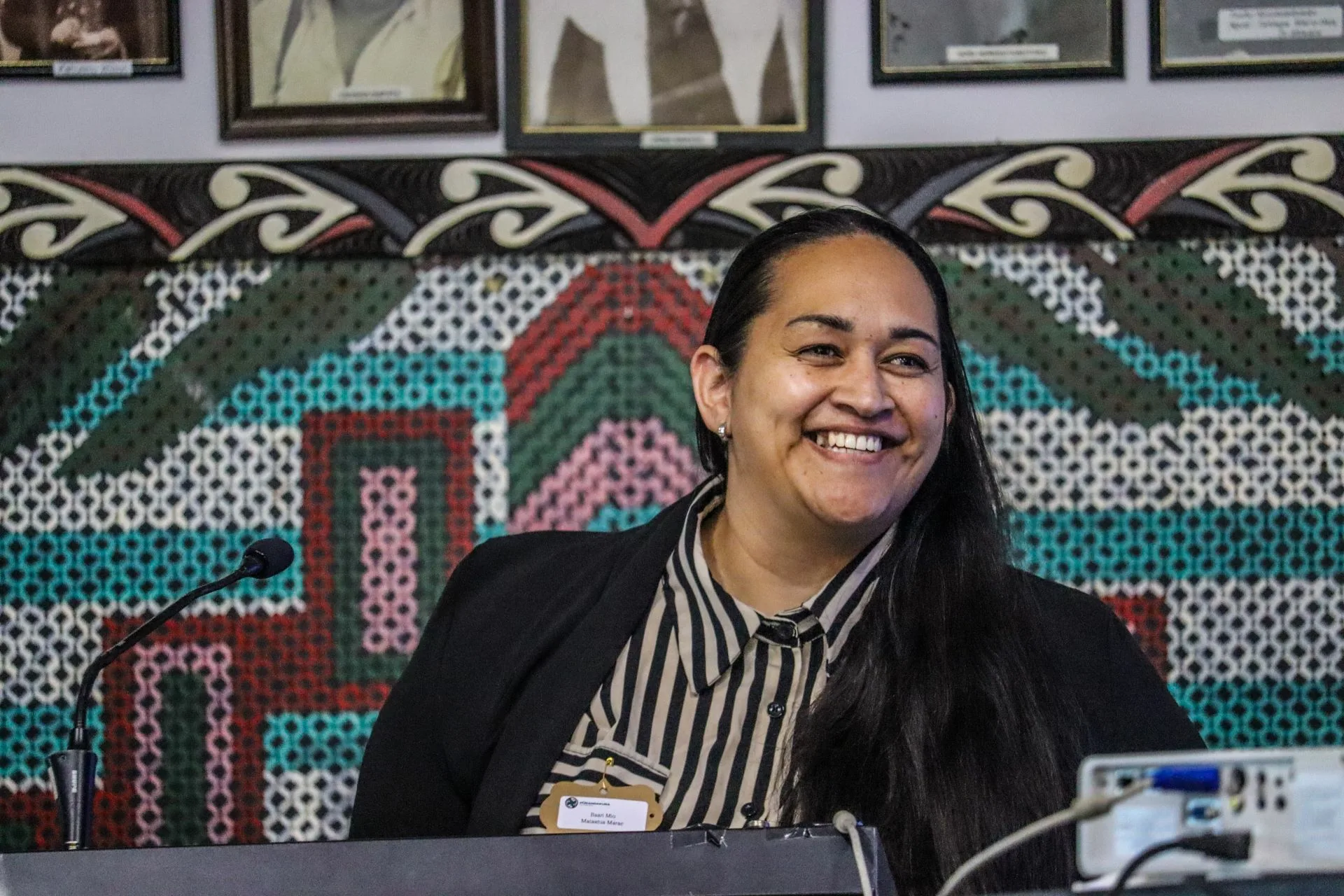
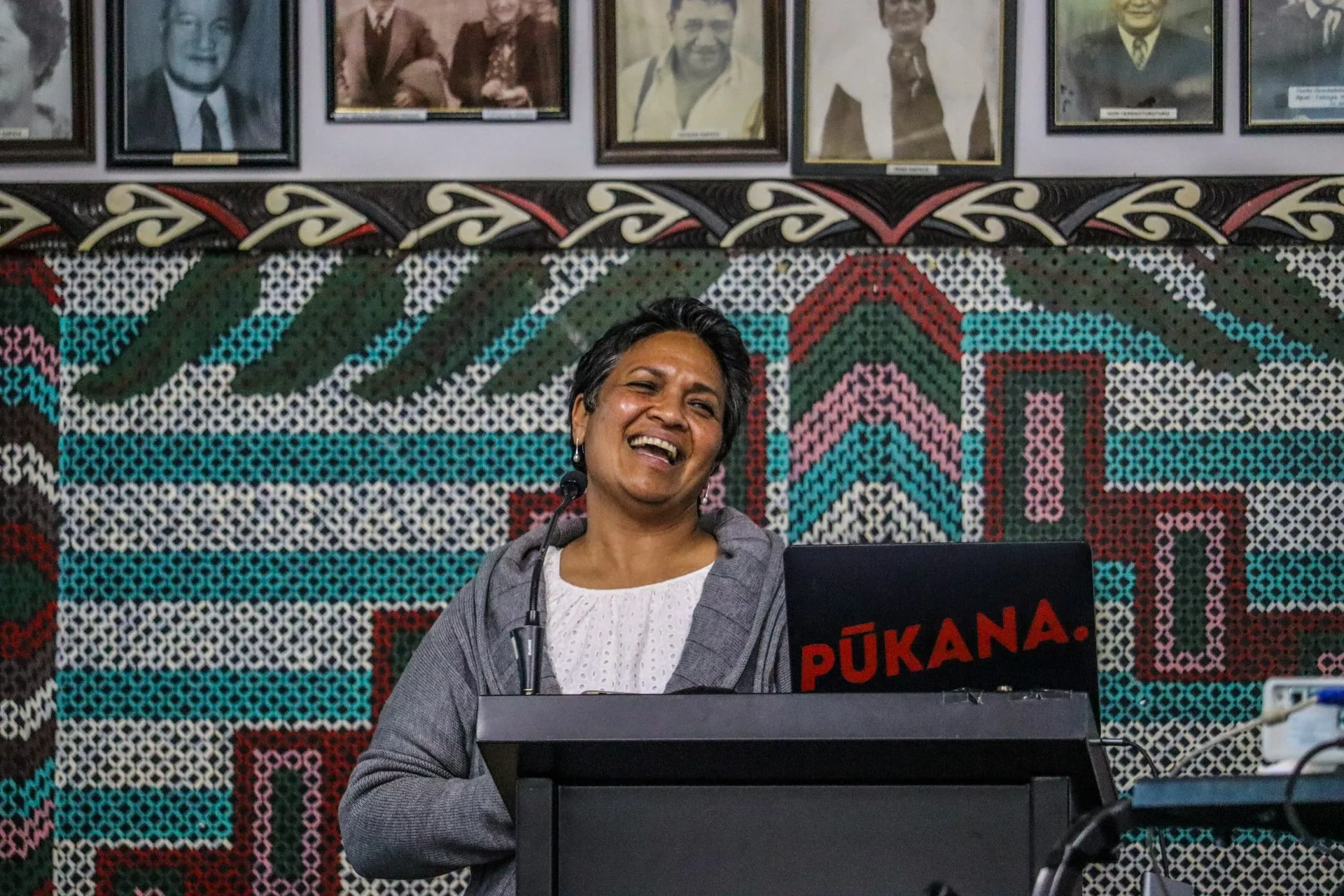
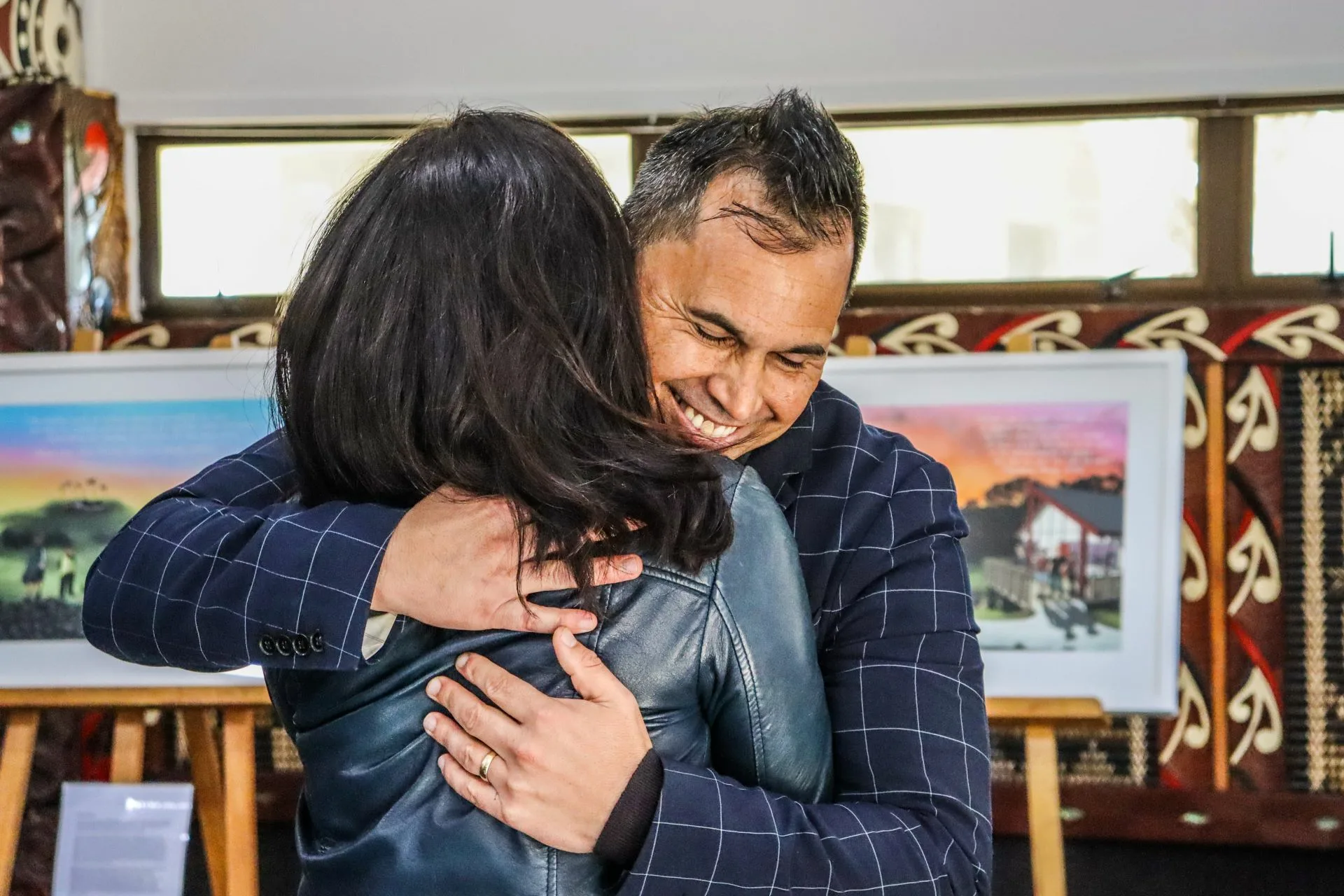
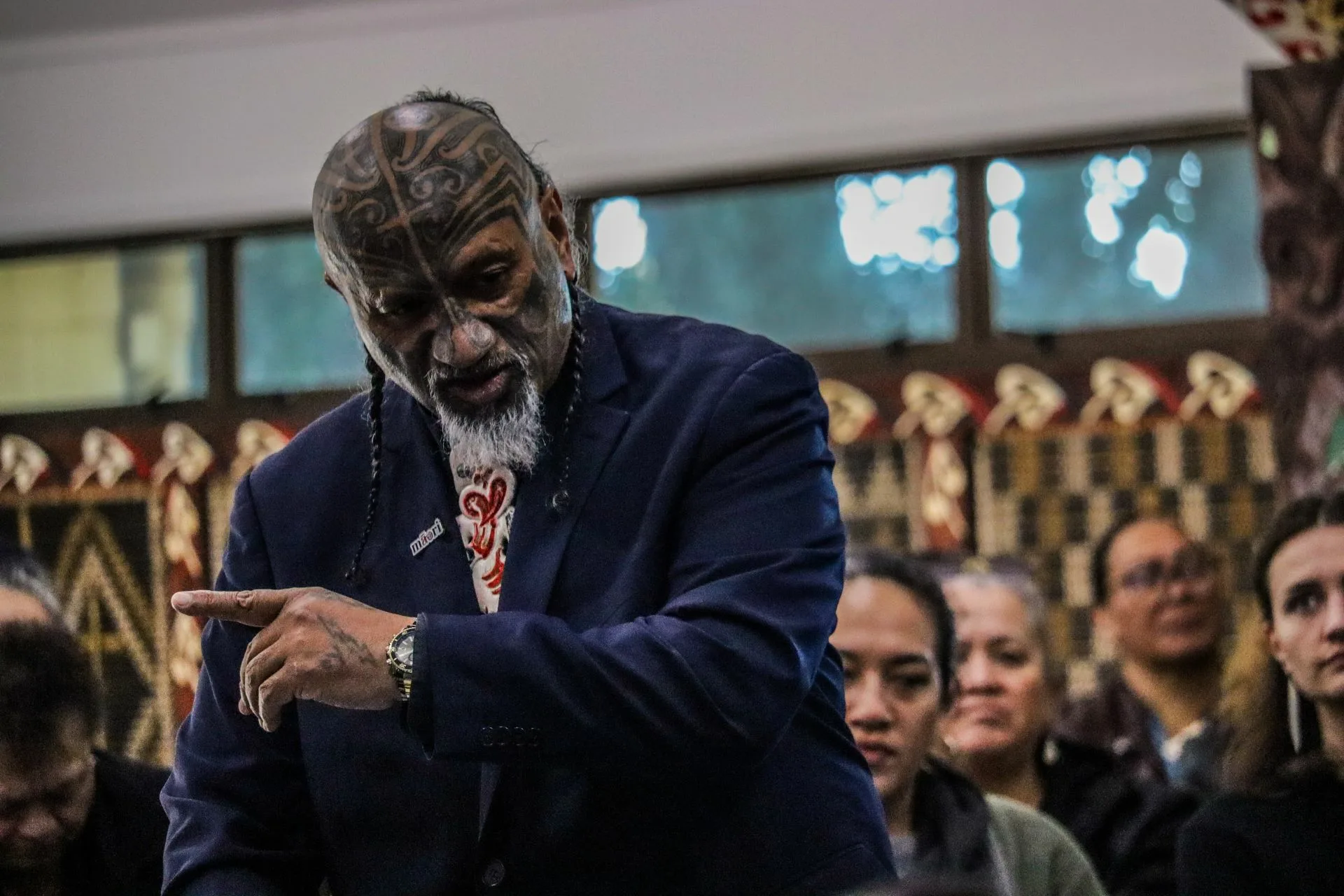
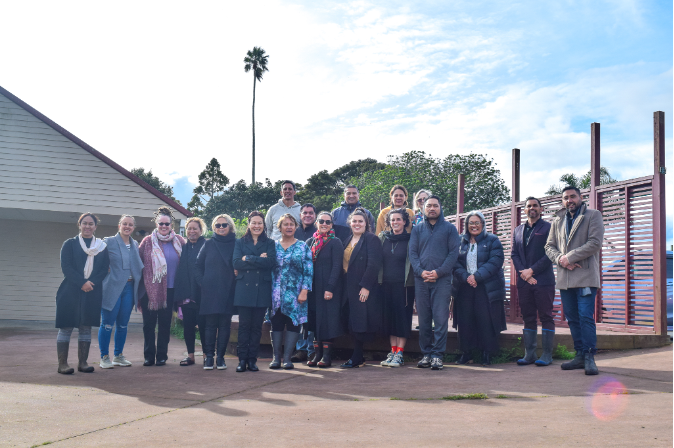
MOKO Research Team Hui with Marae-based Research Coordinators held at Papatūānuku Kōkiri Marae, Māngere, August 2020.
For more information:
Selected publications
Henry, L. (2022). The development and use of public reserves for marae purposes [Report prepared for the MOKO project].
More research projects:
×