

Marae Ora, Kāinga Ora (MOKO)
March 17, 2023
Urban Marae Responses to COVID19: Creative Pikitia Series
March 28, 2023
We recognise, in fact, that in our digital age rangatahi are connected, courageous and reflect a unique and diverse array of perspectives about who they are and who they want to become. Despite the many complex problems their generation faces, rangatahi are responding to the challenges with creative and innovative approaches to transform the lives of their peers, whānau, hapū, iwi and communities.
We also understand that Māori have always considered rangatahi as critical change agents in whānau, hapū and iwi (Walker, 2004). To this end this study brings together a strong kaupapa Māori research team that spans key critical areas for regenerative rangatahi-led kāinga. The research design includes rangatahi as co-researchers to ensure this project will be truly transformative for rangatahi themselves. A key feature of this research includes rangatahi leaders of specific change-leading groups to co-design, co-produce and co-determine key dimensions of the research.
…rangatahi are responding to
the challenges with creative and innovative approaches to transform the lives of their peers, whānau, hapū, iwi
and communities.
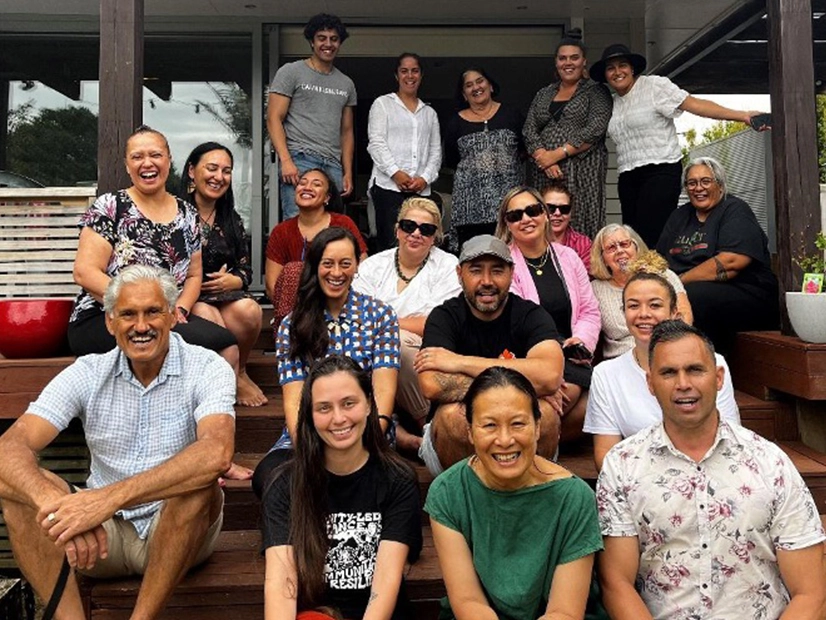
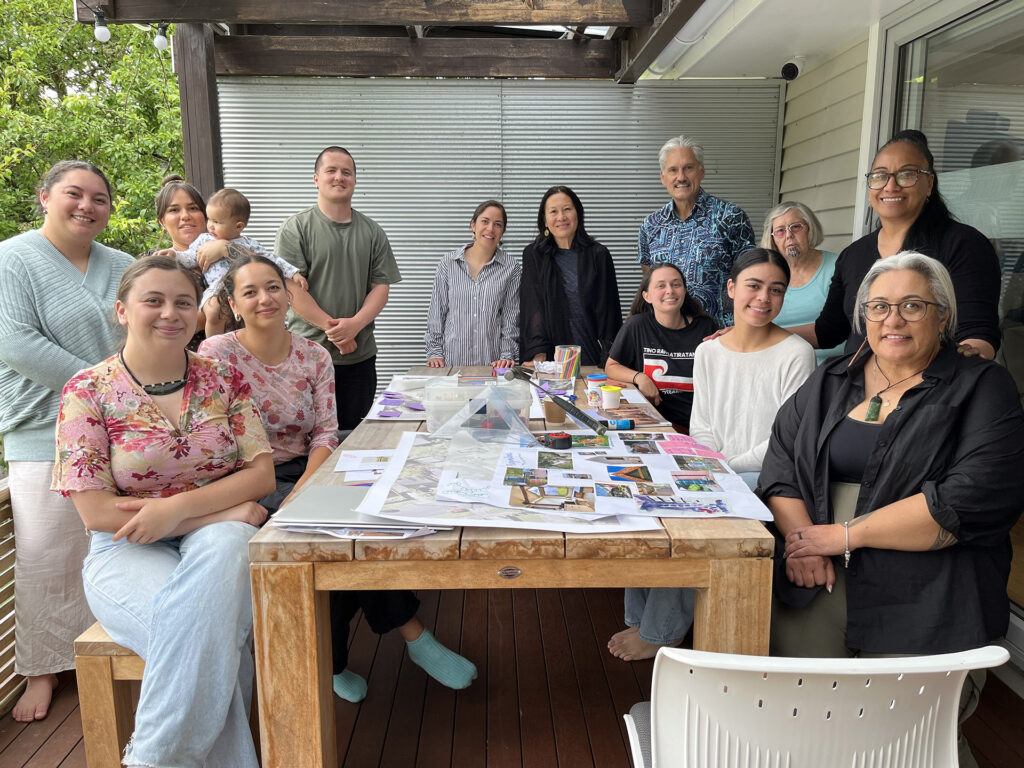
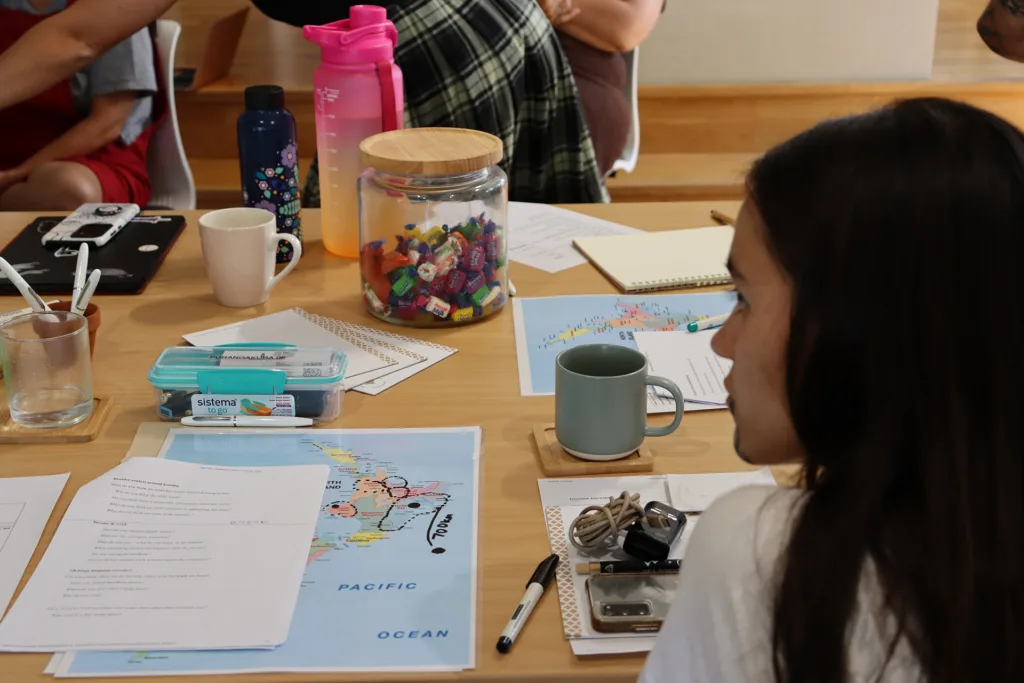
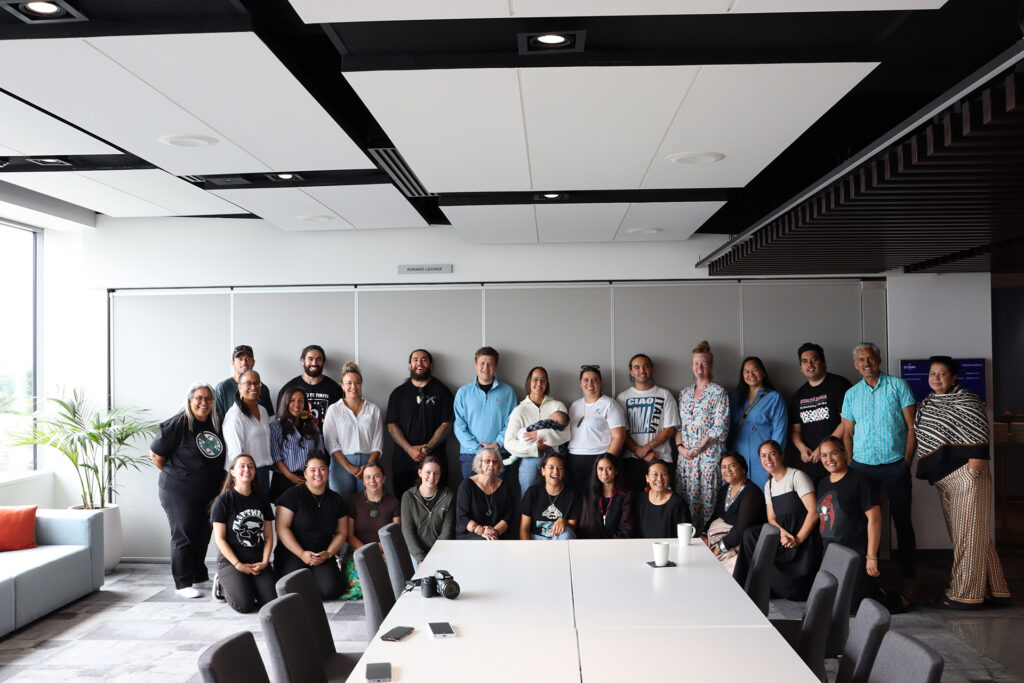
Generation Kāinga Wānanga Tuarua at Pūrangakura tari (March 9, 2023). Pikitia Credit: Torerenui a rua Wilson.
Research Aim:
Our vision for Generation Kāinga focuses on enabling rangatahi to transform the future of kāinga through indigenous collective and participatory processes of reimagination, resilience and regeneration so that Aotearoa is ‘the best place in the world’ for rangatahi and their whānau to live.
Our Research Team:
This large multidisciplinary research team is led by Dr Jenny Lee-Morgan and Maia Ratana, alongside key members of Pūrangakura and rangatahi researchers including:
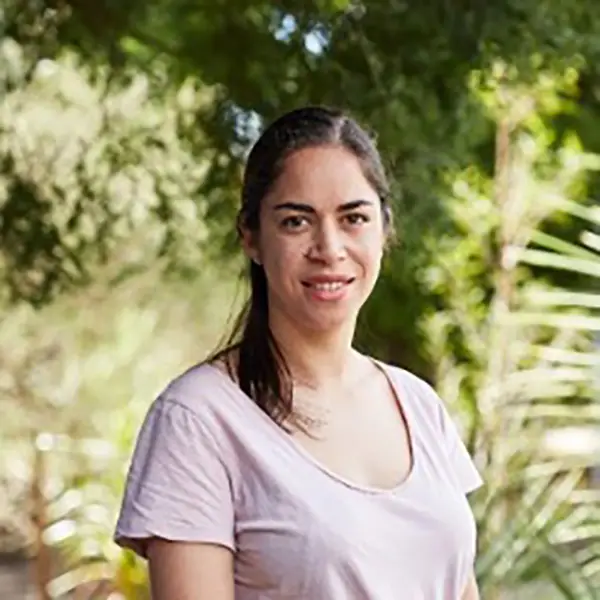
Maia Ratana
(Te Arawa, Ngā Rauru kī Tahi, Ngāti Raukawa)
is a kaupapa Māori researcher in Māori housing, sustainable and innovative housing design, homelessness and equity in tertiary education. She is also a lecturer at the Unitec School of Architecture, a PhD student at AUT, and a māmā!
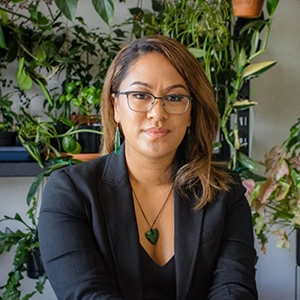
Jacqueline Paul
(Ngāti Tūwharetoa, Ngāpuhi, Ngāti Kahungunu ki Heretaunga)
is a researcher and rangatahi leader with a background in landscape architecture and urban planning. She has a Masters from the University of Cambridge, and is currently a PhD student in the Department of Urban Studies and Planning at the Massachusetts Institute of Technology in the US.
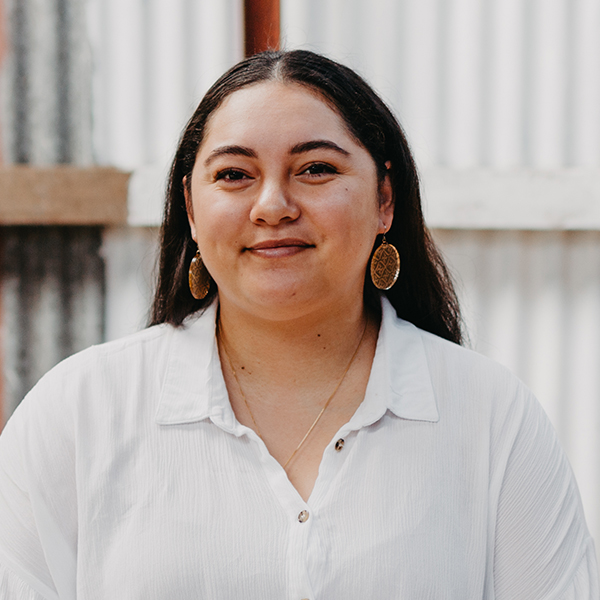
Hanna-Marie Monga
(Ngāti Whātua, Te Uri o Hau, Cook Islands)
is an Architectural graduate and Research Assistant in the ‘Rangatahi ki te Kāinga’ research project, and rangatahi leader in housing research.
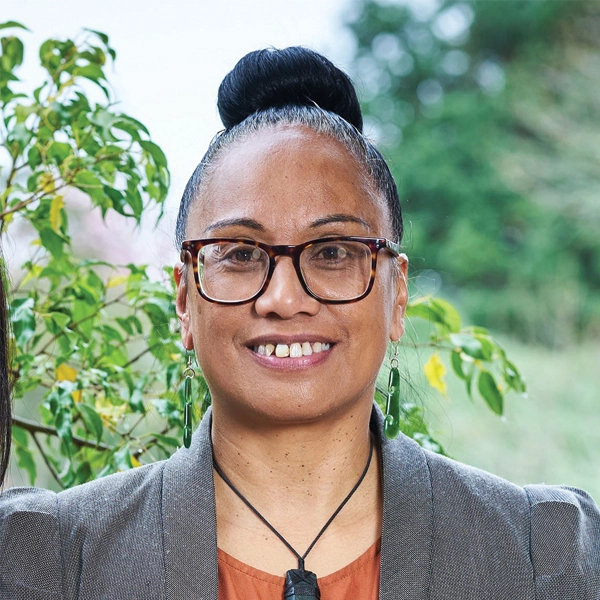
Ngāhuia Eruera
(Ngāti Awa, Ngāi Tūhoe, Tūhourangi, Ngāti Tamatera)
brings a wealth of business solutions and operational management expertise from her background and senior leadership roles in sports, tertiary education (Wānanga) and research sectors. A home-grown ‘pa’ girl she is passionate about whānau wellbeing and hauora Māori, in particular marae development. She is currently a board member of the Auckland Mataatua Society Inc and Te Tini o Toi Housing Trust.

India Miro Logan-Riley
(Ngāti Kahungunu, Rongomaiwahine, Rangitāne)
Brings a background in heritage and lived experience of climate injustice, drawing on a broad range of experiences from UN climate negotiations to harakeke roots work on #landback kaupapa with rangatahi Māori and Pasifika. India dreams of resilient communities where everyone is safe and joyful, and is excited to support those dreams into reality through their work in Generation Kāinga.
Irene Farnham
(Ngāti Awa, Ngāi Tūhoe)
is a community based kaupapa Māori researcher with a background in social work. She has provided Māori cultural support, advice and education in various social service roles including within housing, youth, and whānau social work settings. Irene is currently a student of the Master’s of Applied Practice, Unitec.
Dr Catherine Mitchell
(Taranaki)
is a senior researcher with a PhD in higher education from the University of Auckland. Cat works across a range of projects including Marae Ora Kāinga Ora, Marae ki te Kāinga and Digital Twin: Ihumataao.
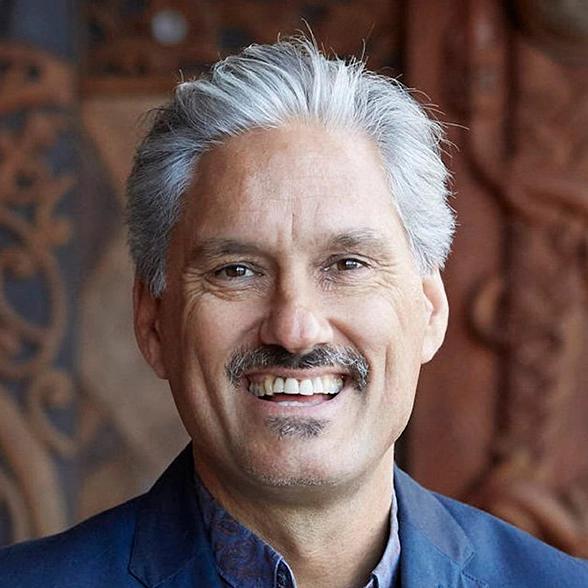
Rau Hoskins
(Ngāti Hau, Ngāpuhi)
is a renowned Māori practitioner, researcher and educator in Māori architecture, housing and cultural landscape design. As the founding Director of DesignTribe architects, a board member of Toi Ngāpuhi and Trustee of Te Matapihi, Rau works closely with iwi and agencies to advocate for better Māori housing solutions.
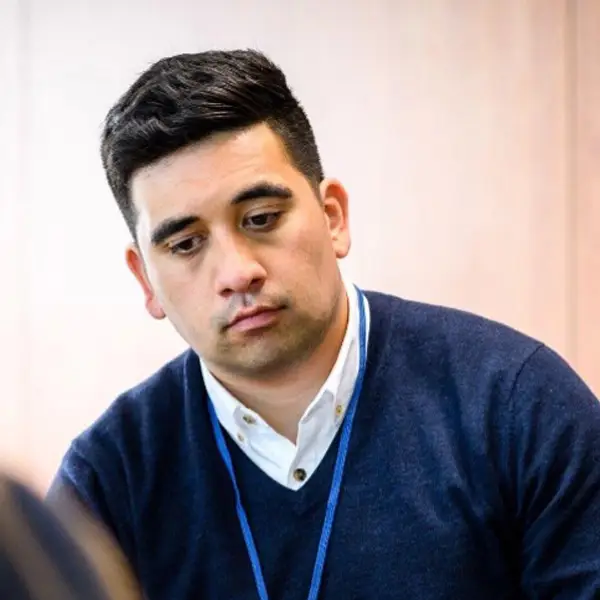
Te Nia Matthews
(Ngāti Kahu, Tūhoe)
Passionate about mātauranga-a-iwi and the protection of matauranga Māori as a whole, Te Nia has recently finished his Masters in Science Communication. In his thesis Te Nia explored the ways mātauranga-a-iwi can be used to better understand environmental and ecological changes in te taiao. Te Nia now works in policy for Te Puni Kōkiri to support the active protection, and enable the appropriate use, of mātauranga Māori.
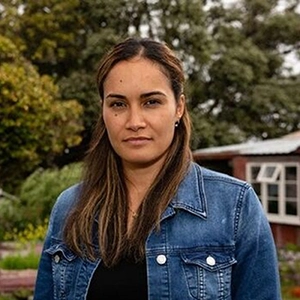
Pania Newton
(Ngapuhi, Te Rarawa, Waikato, Ngati Mahuta)
holds a Conjoint Degree in Law and Health Sciences and is currently completing her Master’s degree as part of the Atlantic Fellows for Social Equity, The University of Melbourne. Well-known and highly respected for her leadership in the campaign to protect tribal whenua at Ihumatao, Pania is also a valued researcher with the MOKO and Rangatahi ki te Kainga projects.
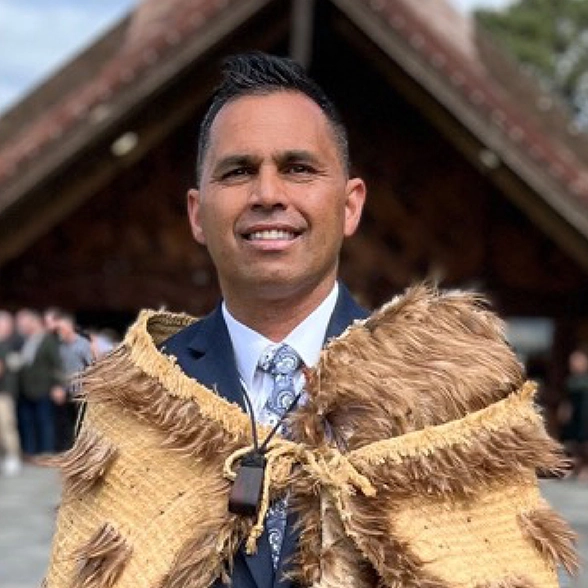
Eruera Lee-Morgan
(Te Arawa, Pare-Hauraki, Pare-Waikato)
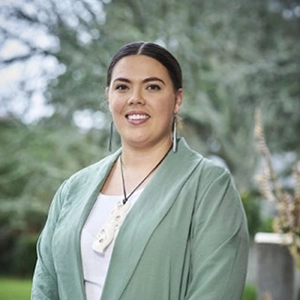
Joanne Gallagher
(Te Aupōuri, Ngāti Kahu, Ngai Takoto, Ngāti Whātua ki Kaipara)
brings her strong sense of manaaki and organisational skills to her work as Executive Assistant (EA) and project administration. Jo is passionate about her people, her whänau, iwi and hapü, she is the chairperson for her local Kōhanga Reo.
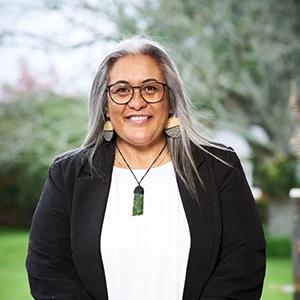
Bernadette Lee Te Young
(Ngāti Rangi, Ngāti Whakaeke)
is an experienced administrator and kindly supports our kaimahi in a wide range of administrative and operational tasks.
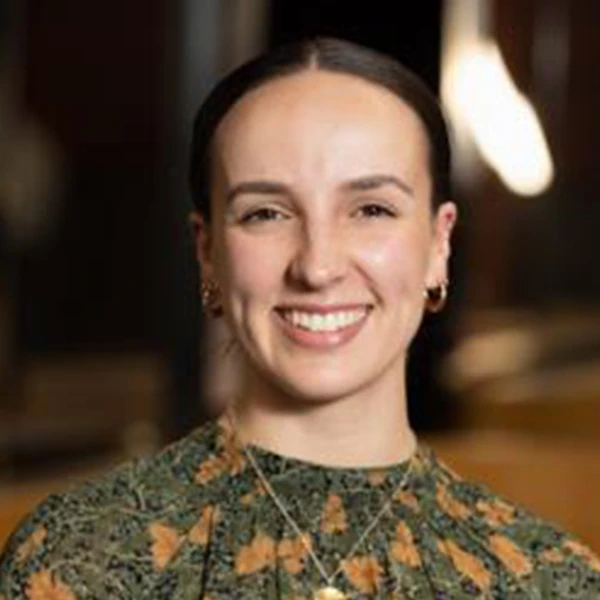
Ariana Hond
(Taranaki, Ngāti Rangiwewehi, Ngāi Te Rangi)
Ariana is an emerging Māori researcher in the midst of postgraduate study within the field of Psychology, passionate about Indigenous psychological approaches and rangatahi – led kaupapa. She is also a Tuākana Coordinator in the School of Psychology at UoA.
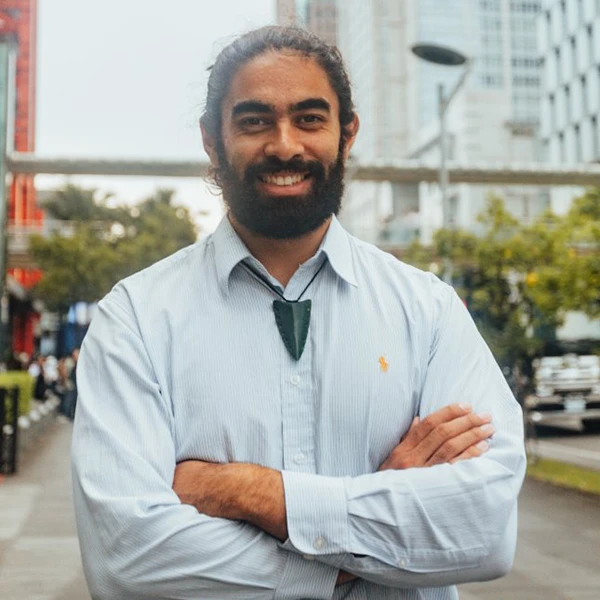
Rhieve Grey
(Ngāti Tūwharetoa, Ngāti)
Rhieve Grey (Ngāti Tūwharetoa, Ngāti Po rou, Ngāti Raukawa) is a researcher with Purangakura on the Generation Kāinga project. He has an academic background in Public Policy, having recently completed Master’s studies at the University of Oxford. He also is a researcher for Te Kuaka, a NZ – based foreign policy think tank, where he focuses on Māori and Indigenous engagement in foreign policymaking.
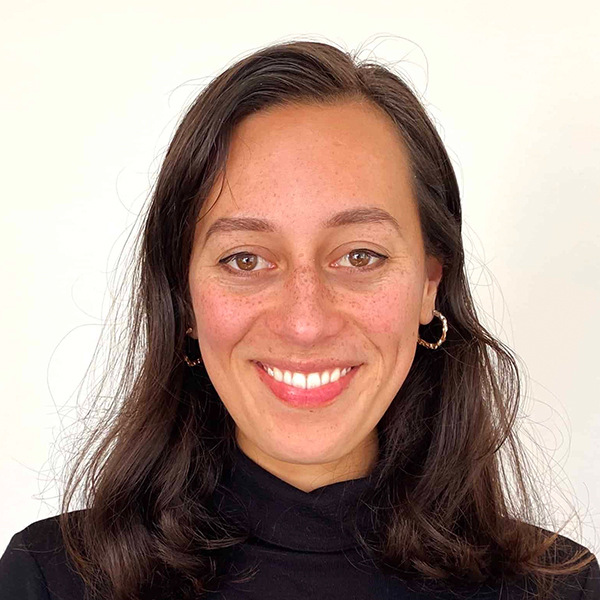
Elyjana Roach
Maui Brennan

Pauline Hiroti
(Ngā Wairiki Ngāti Apa)
We are pleased to collaborate with:
Te Reretai Hauiti
(Te Rarawa)
Dallas Cherrington
(Ngāti Kuri)
Lani Rotzler-Purewa
(Ngāti Maniapoto)
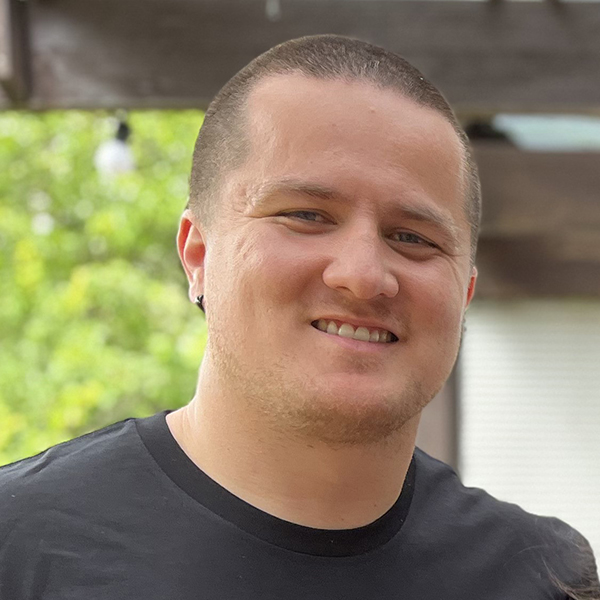
Matangireia Yates-Francis
(Te Arawa)
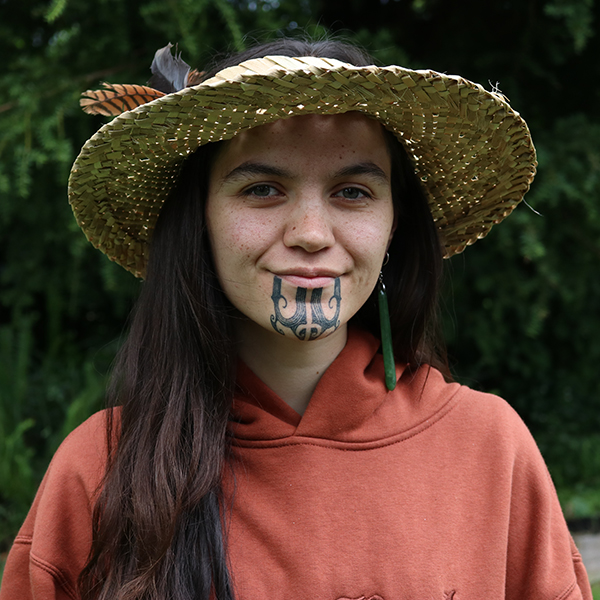
Rāhiri Makuini Edwards-Hammond
(Ngāti Kahungunu, Ngāruahine)
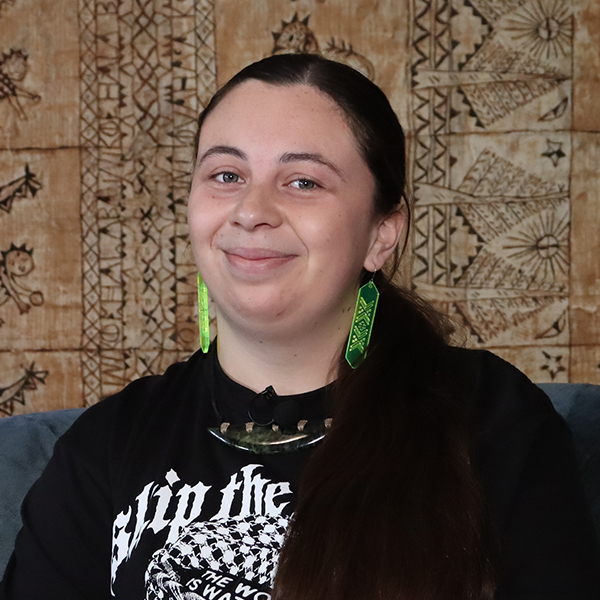
Rosa Hibbert-Schooner
(Te Arawa)
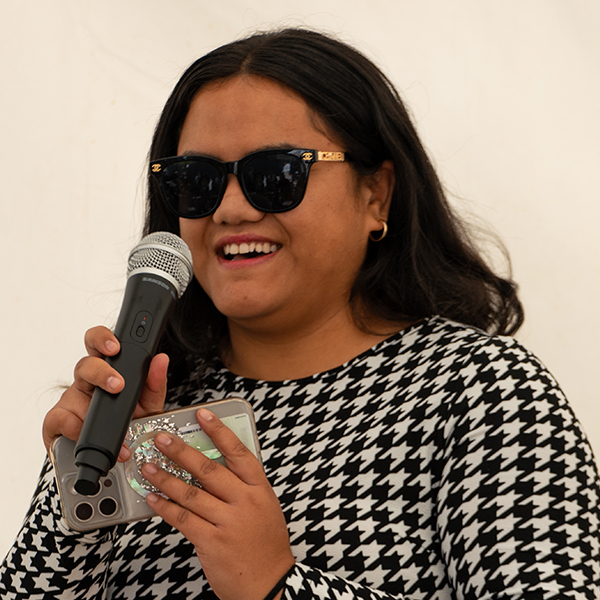
Hoki Tawhai-Cassidy
(Ngāpuhi)
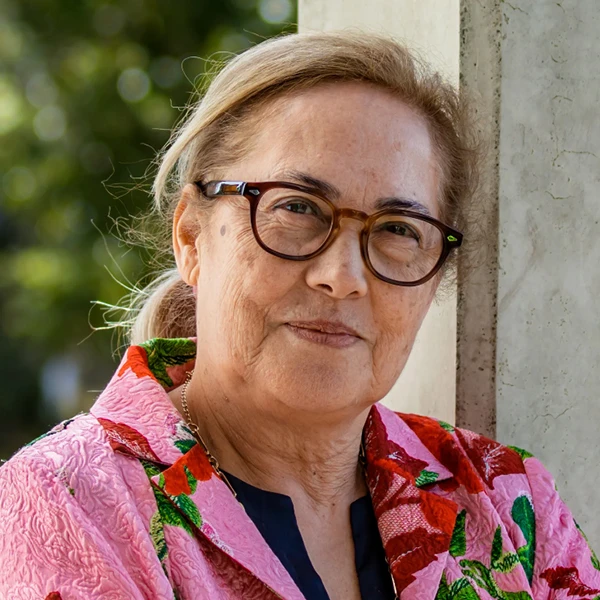
Distinguished Prof. Linda Tuhiwai Smith
Cary Monreal Clark
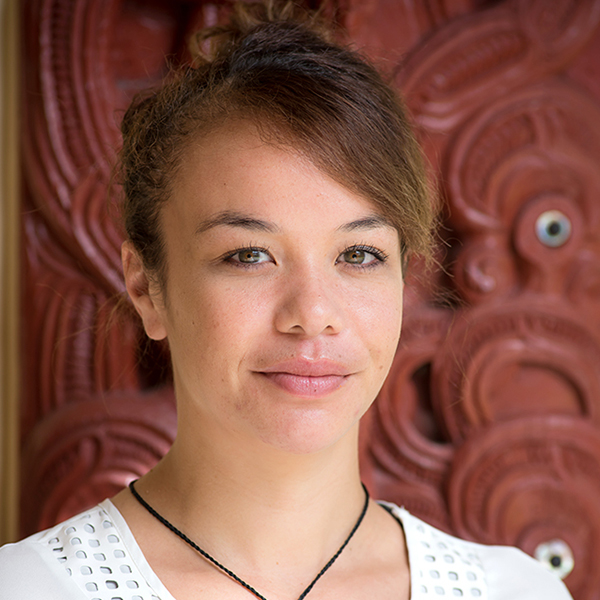
Dr. Annie Te One
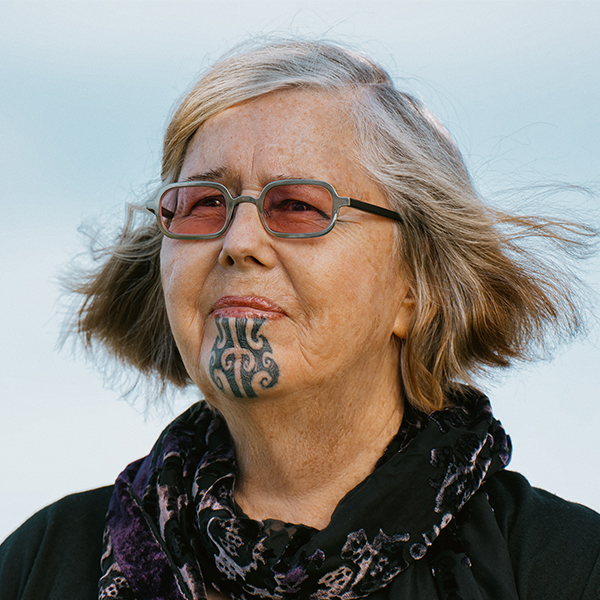
Dr. Diane Menzies
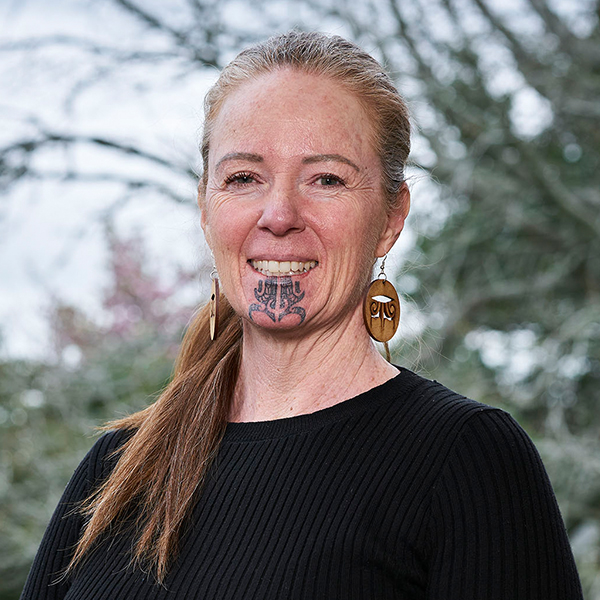
Dr. Hinekura Smith
(Ngā Wai a te Tui)
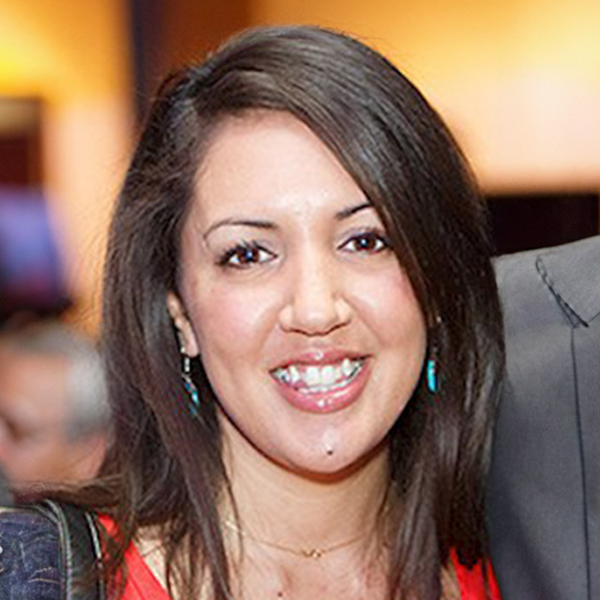
Associate Prof. Shiloh Groot
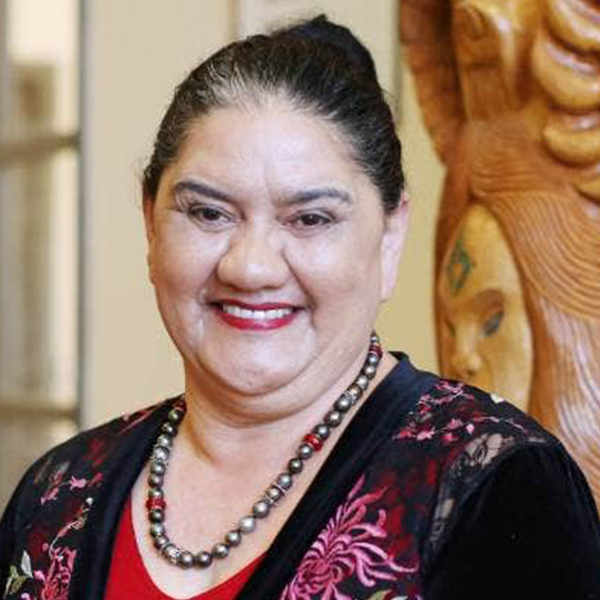
Prof. Ella Henry
Dr. John Reid
Bianca Johanson
Māhera Maihi
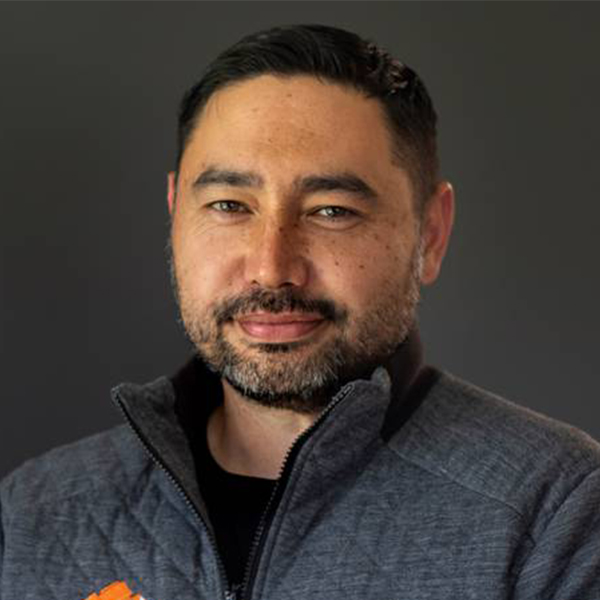
Wayne Knox
Ben Barton
(Te Arawa)
We recognise and acknowledge the contribution of the following:
• Keisha Rawiri
• Nayte Davies
• Brittany Pooley
Research Advisory Rōpū:
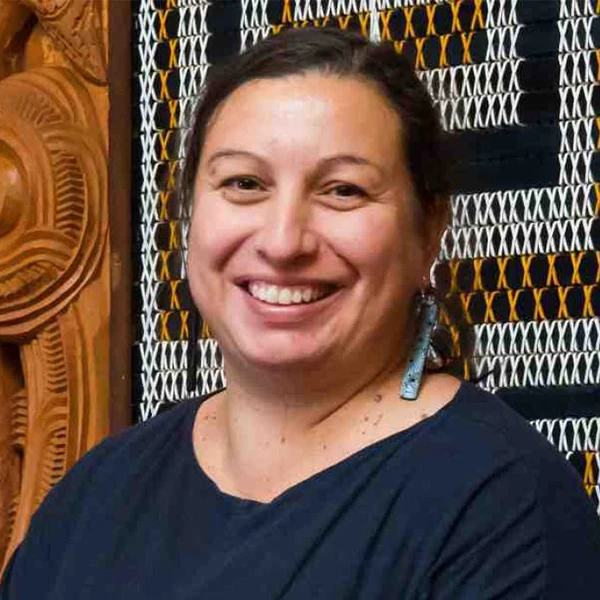
Dr Rebecca Kiddle
(Ngāti Porou, Ngāpuhi)
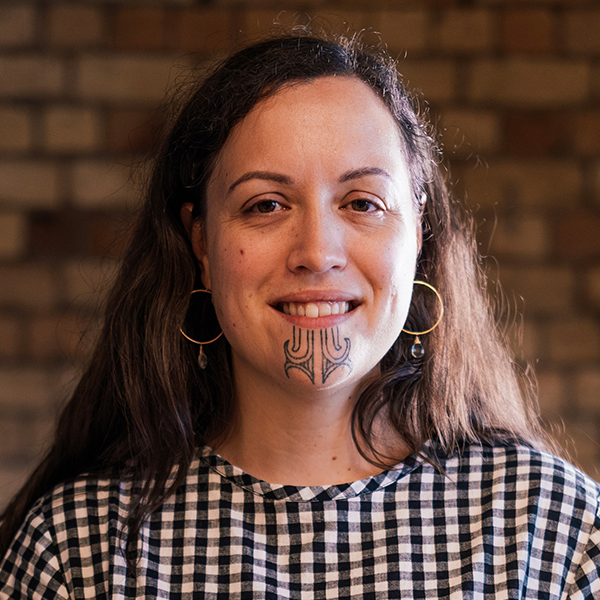
Jade Kake
(Ngāpuhi, Whakatōhea)
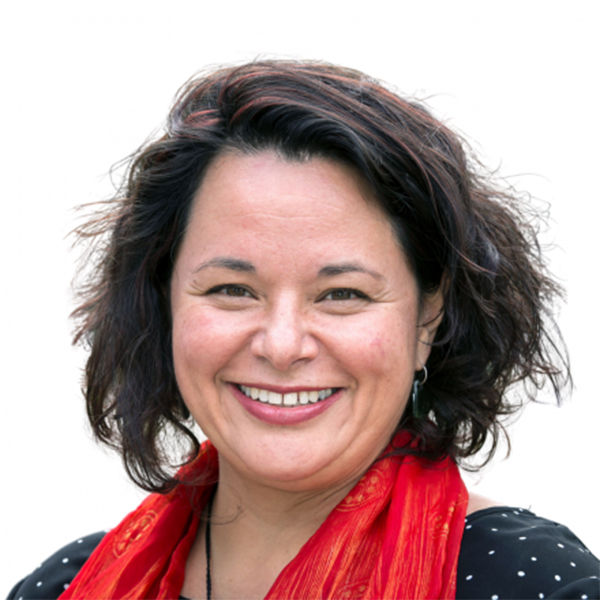
Professor Terryann Clark
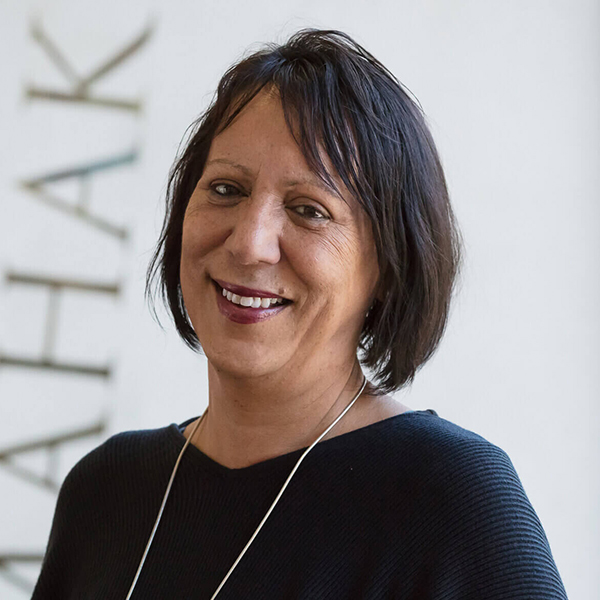
Evie O’Brien
(Ngāti Awa, Ngāti Ranginui)
Assistant Professor Michael Charles
(Diné/Navajo)
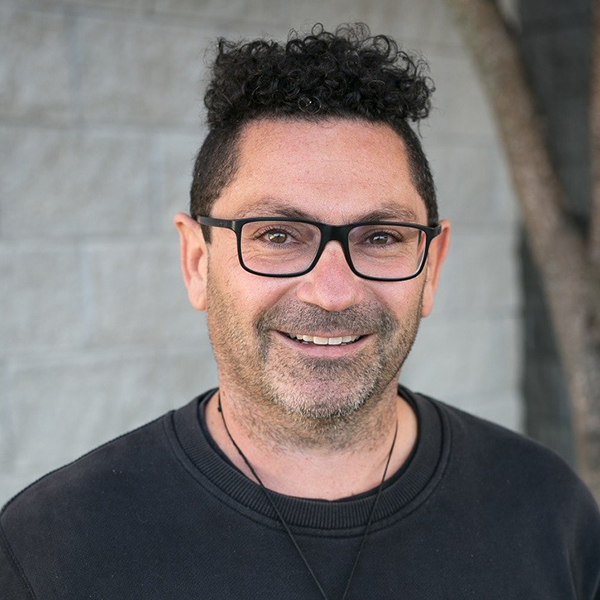
Dr. Jason De Santolo
(Garrwa and Barunggam)

Te Aorangi Murphy-Fell
(Ngati Kahungunu ki Wairarapa, Ngai Tahu / Kai Tahu, Ngati Apa)
Amaia Watson
(Ngāti Kahungunu)
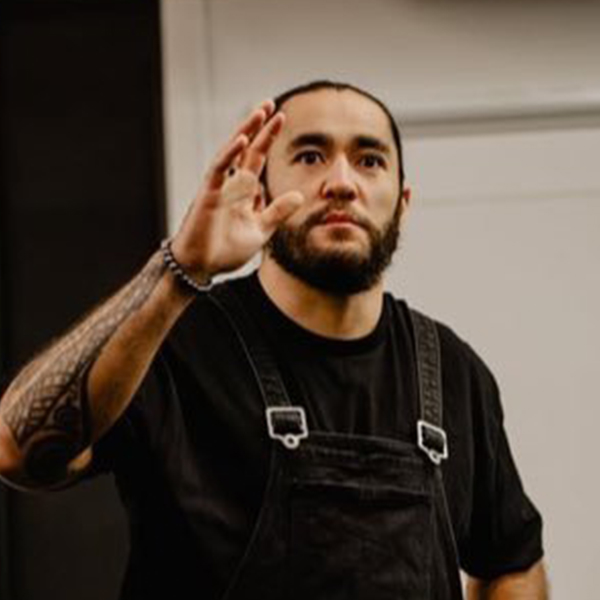
Eru Kapa-Kingi
(Te Aupōuri, Ngāti Kahu, Waikato, Te Whānau Apanui)
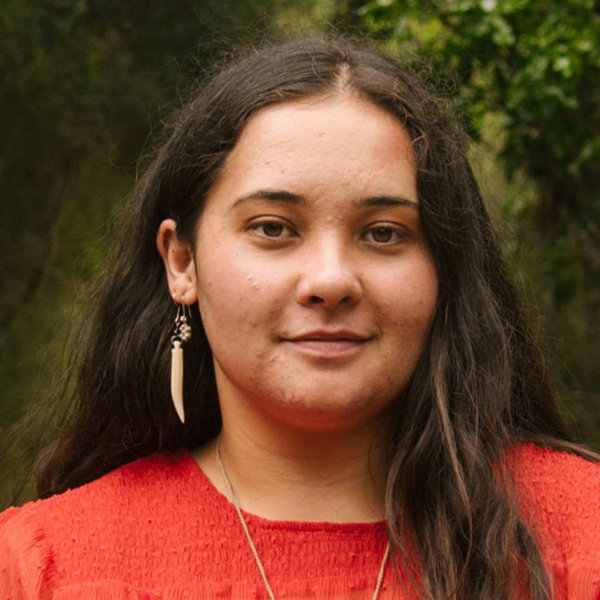
Kahu Kutia
(Ngāi Tūhoe)
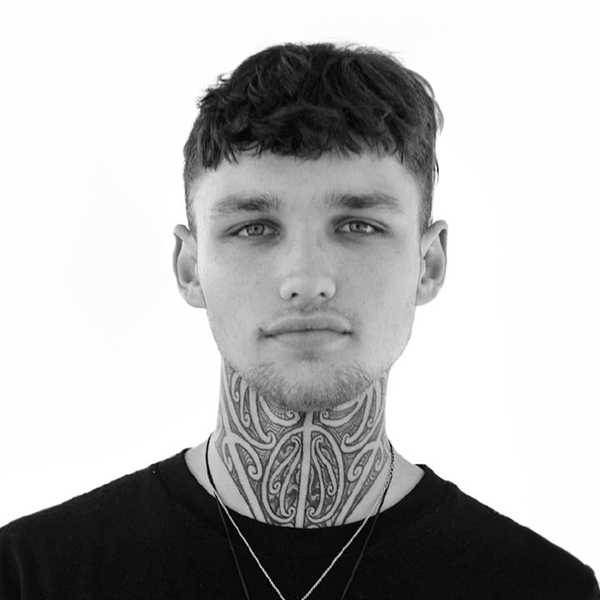
Quack Pirihi
(Ngāpuhi, Ngāti Wai, Ngati Porou, & Ngāti Whātua o Kaipara)
Key Partners and Collaborators:

Te Whare Wānanga o Awanuiārangi
Mā Te Huruhuru

Project Rangatahi
Cuzzies I te Māra

Te Mana Akonga

ŌRUA

Te Matapihi

Ngā Wai a Te Tui
Manaaki Rangatahi
Pūrangakura
4th Generation
Our Mahi:
Rangatahi-led design and development of a Tiny Whare
As part of our kaupapa rangatahi methodology, Generation Kāinga is considering how we disseminate research differently so that it is accessible and interesting for rangatahi and their whānau.
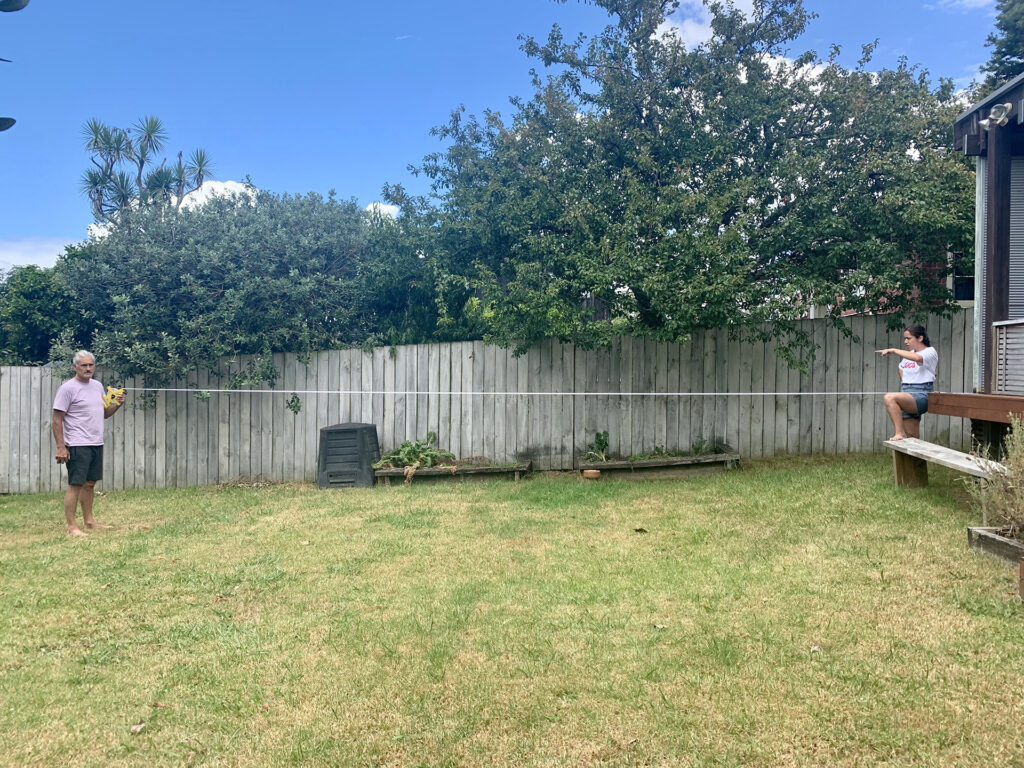
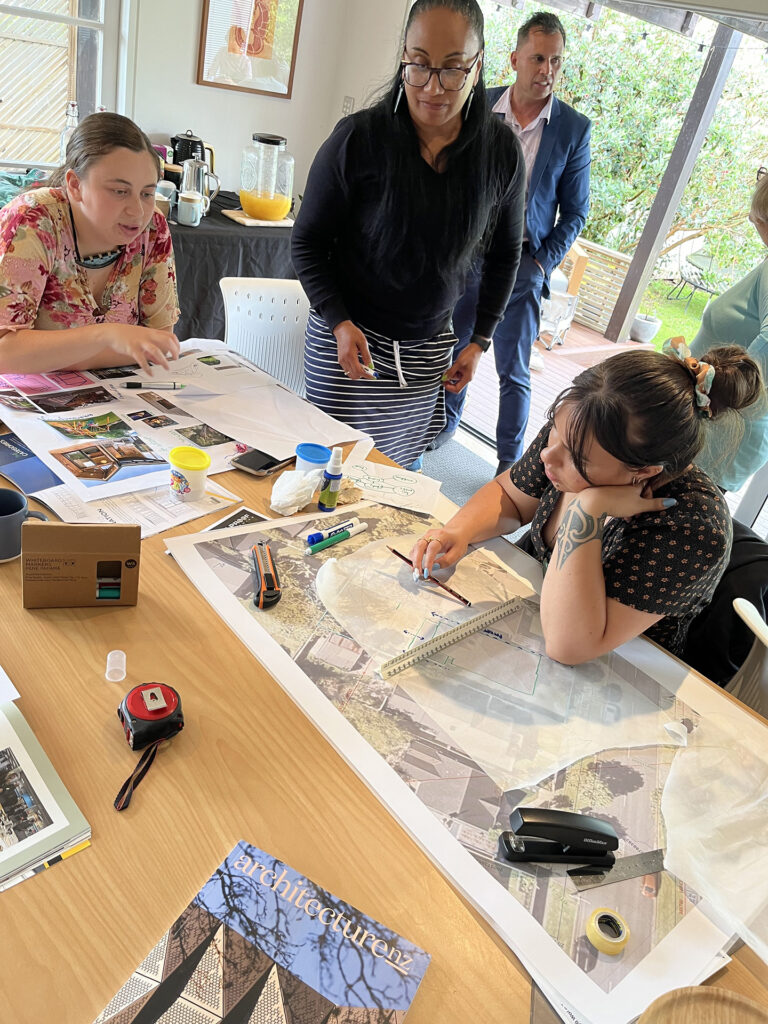
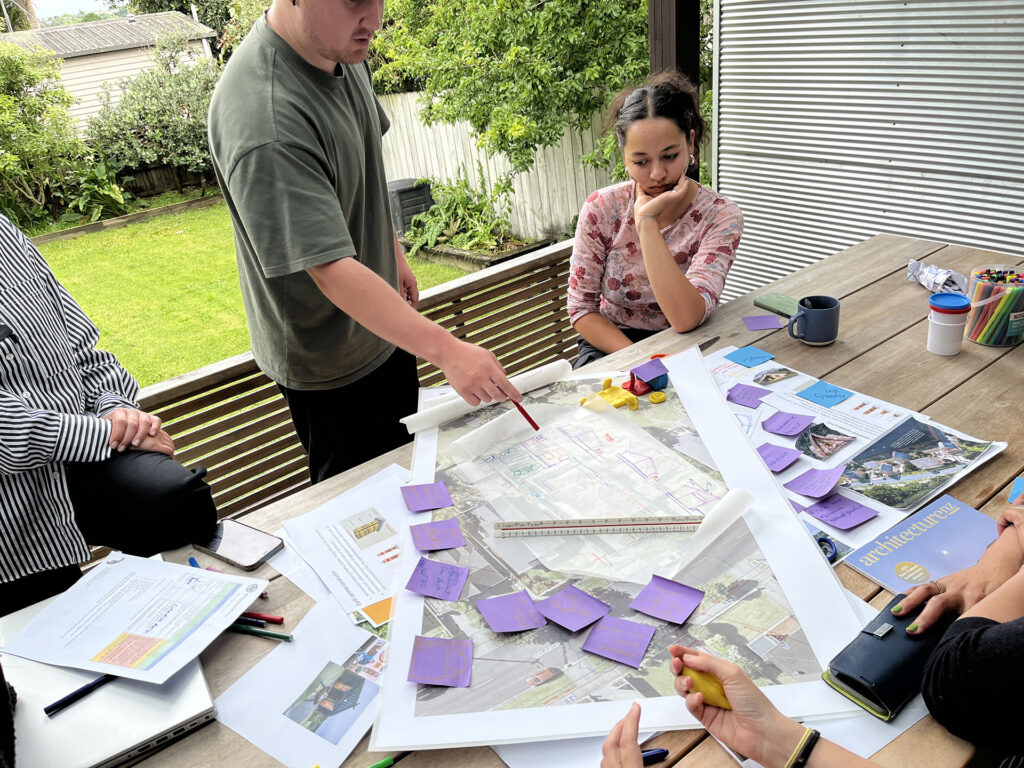
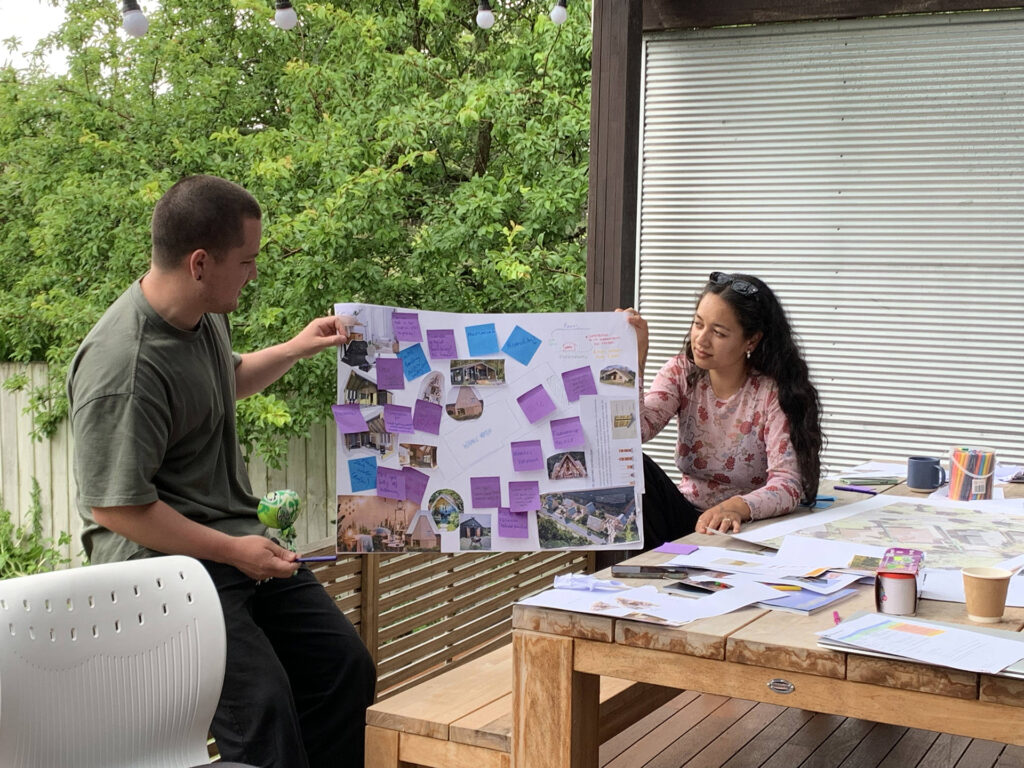
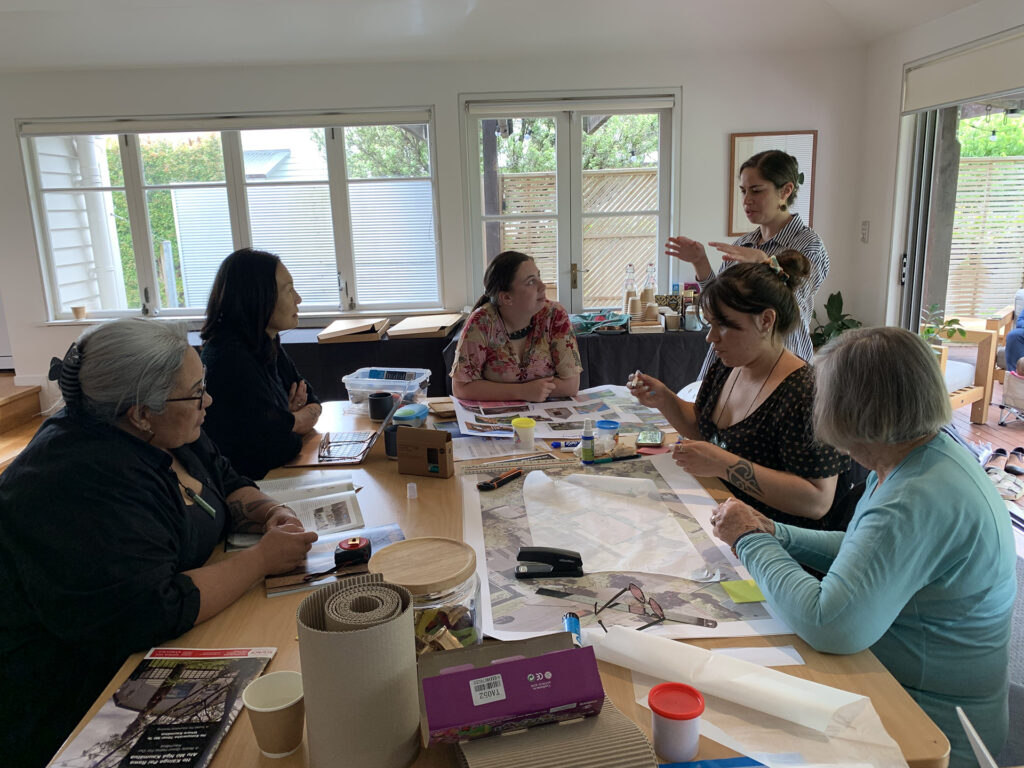
The design will consider off-grid, sustainable systems, eco-friendly solutions and integrating into the taiao landscape. The intent of this build responds to the regulatory changes that now enables up to 60m2 secondary dwelling without consent. The design and build will be documented and the plans freely available upon completion. – have taken this out to try shorten the piece but can put it back in because it is interesting and important. The images below are of a co-design wānanga that took place in December 2023 which was led by team leads Rau Hoskins, Maia Ratana and Hanna-Marie Monga. Key outcomes were the preference by rangatahi for off grid sustainable systems and for a space that could function as both accommodation for visiting researchers and overflow workspace.
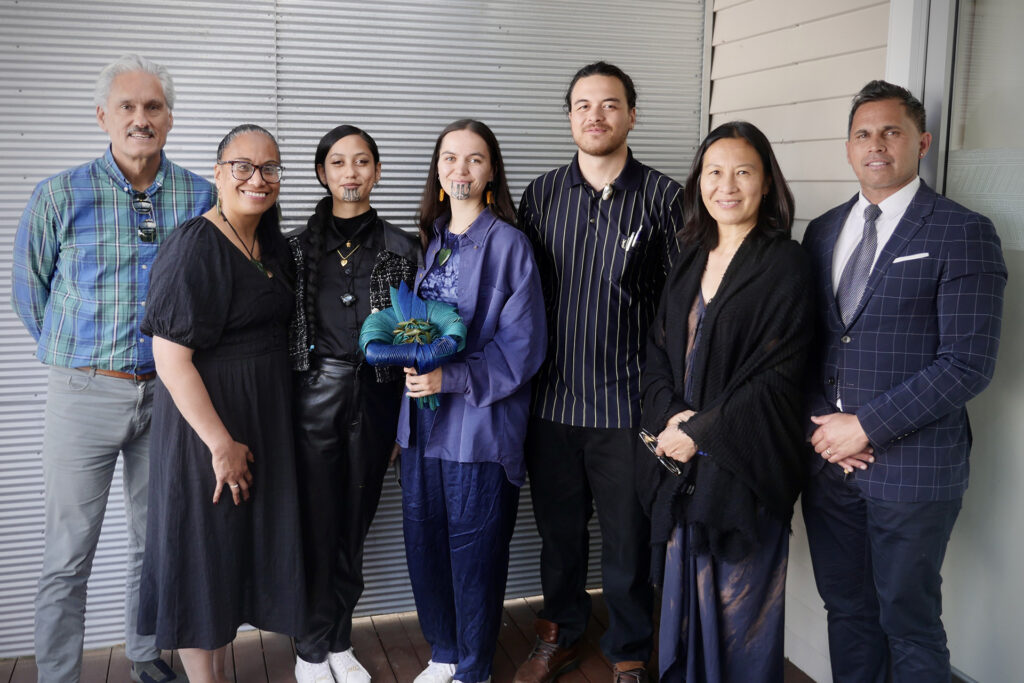
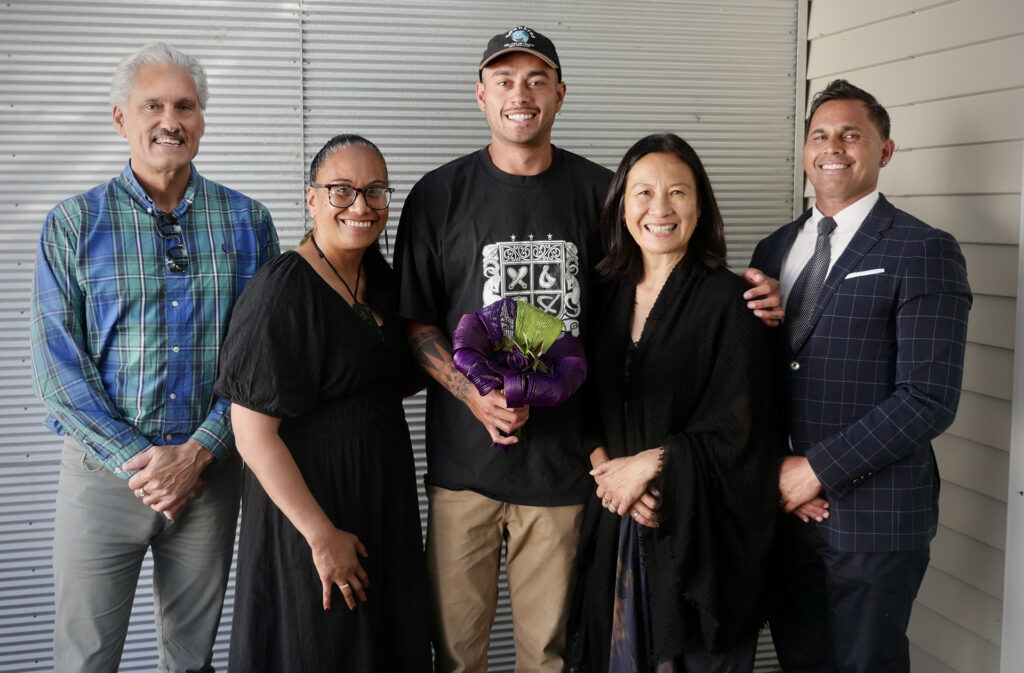
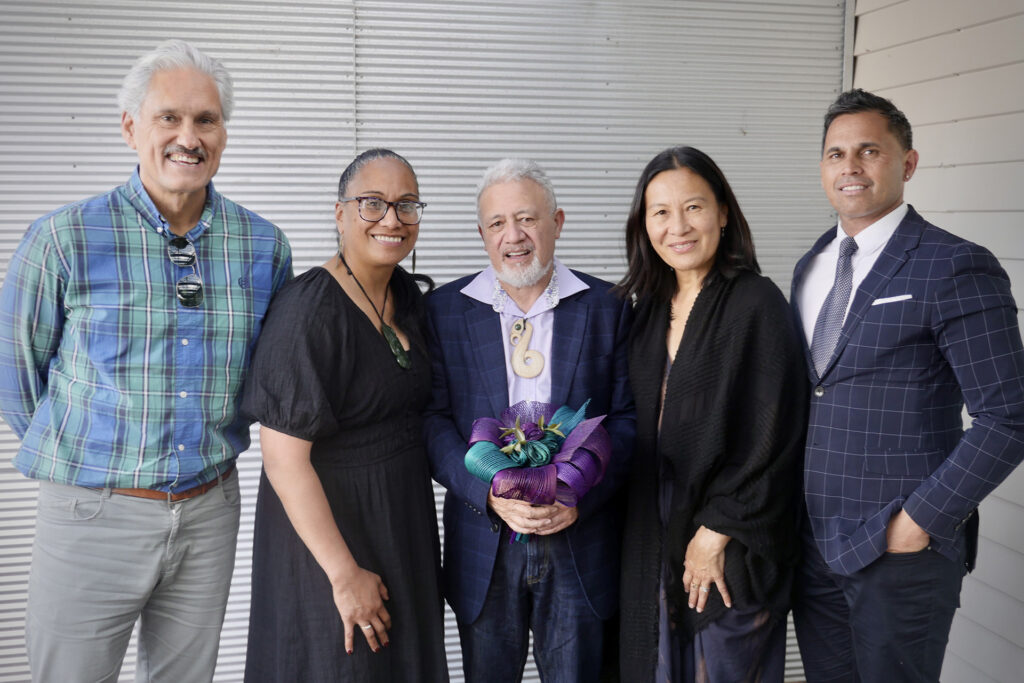
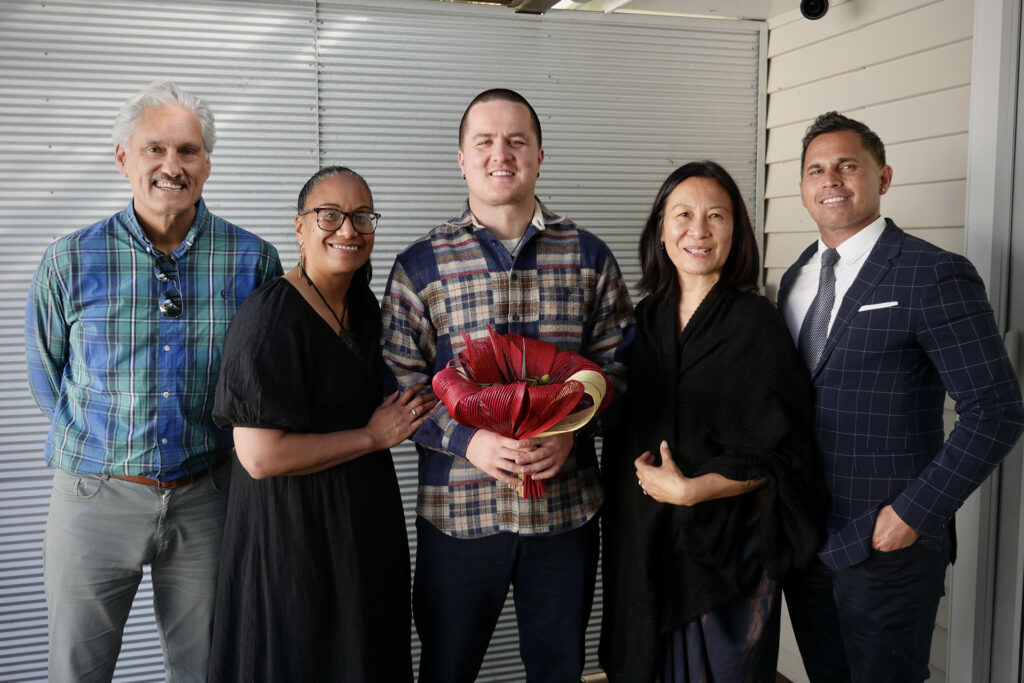
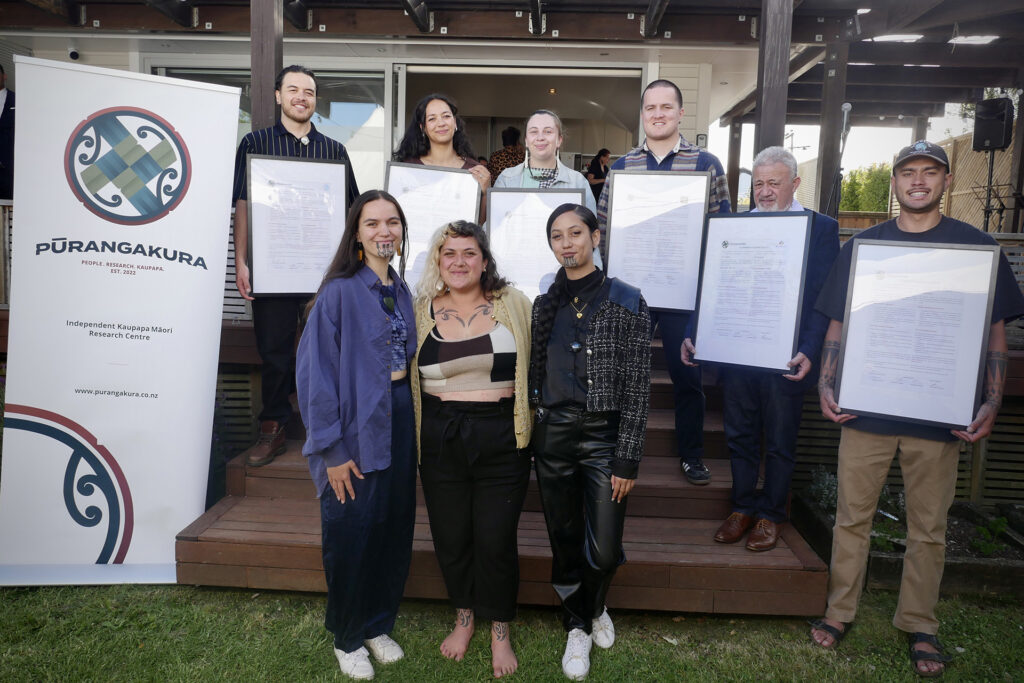
Kawenata Signing
Te Kawenata o ngā rākau Turuturu.
We collaboratively work together to weave the linings of our tukutuku panels that will proudly adorn our whare.
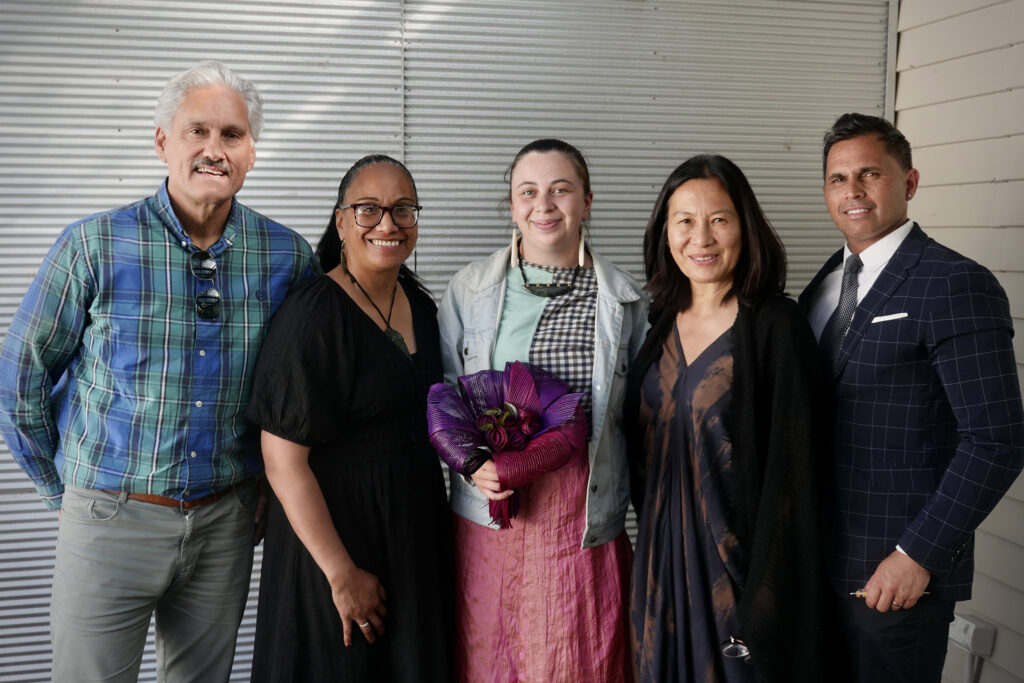
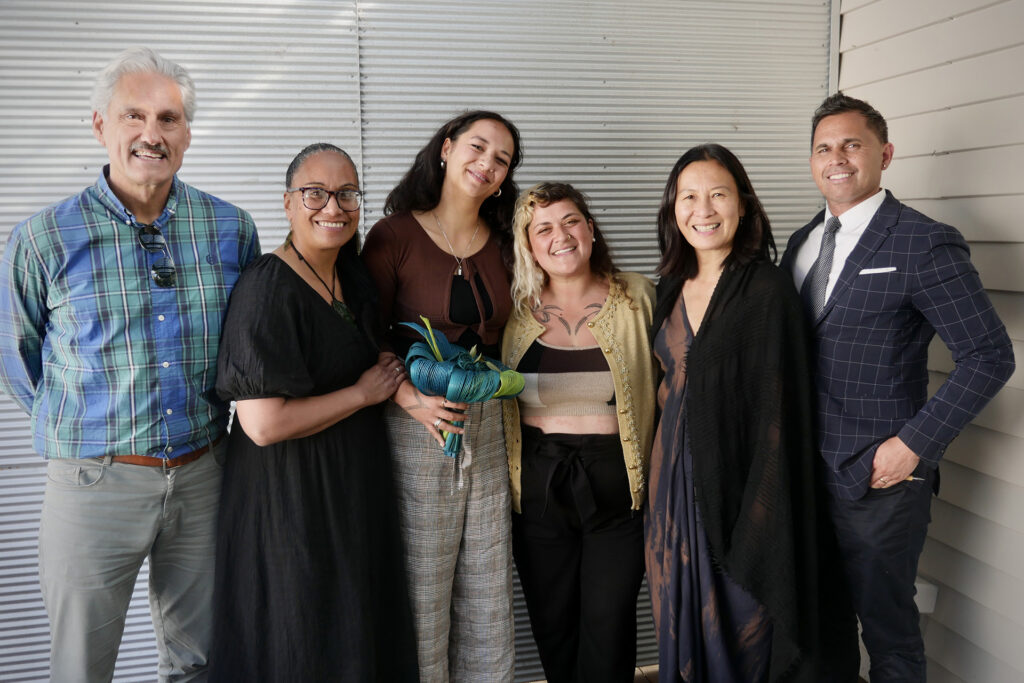
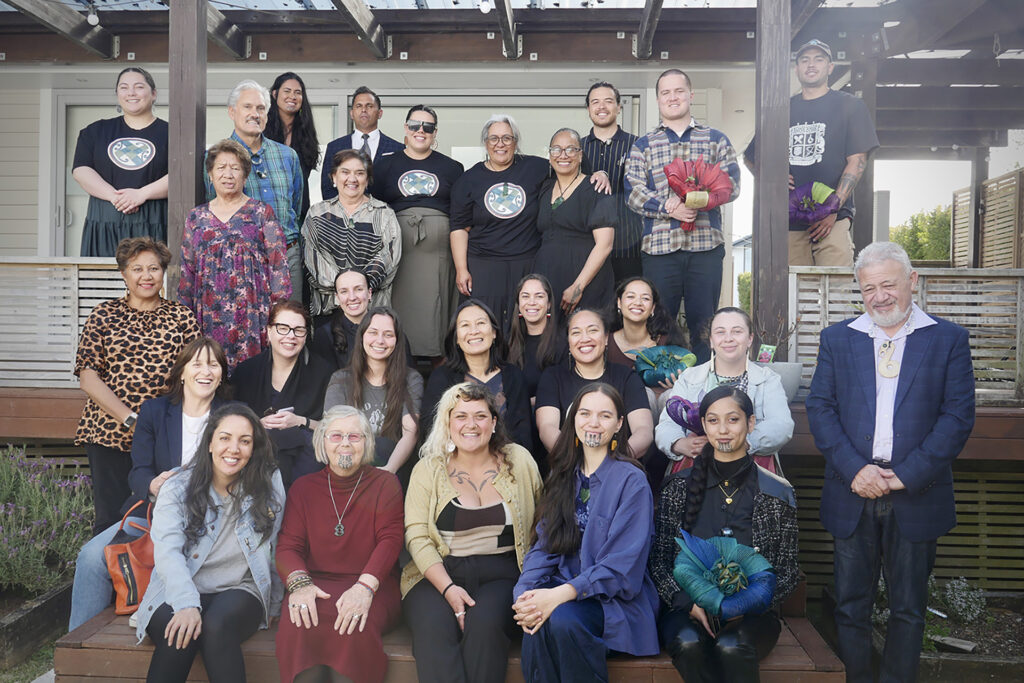
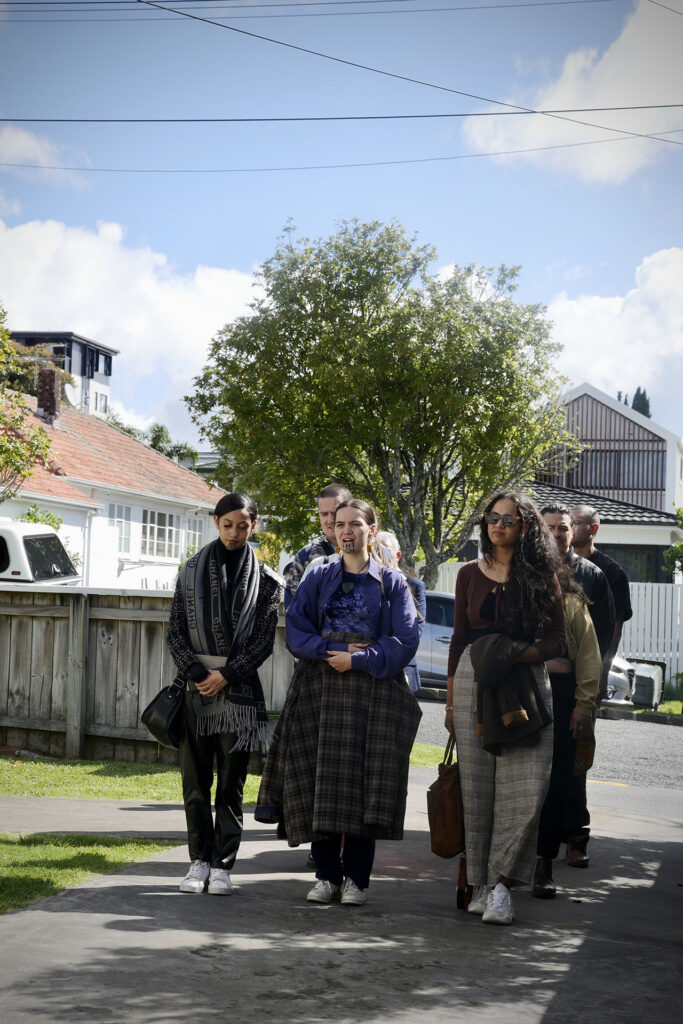
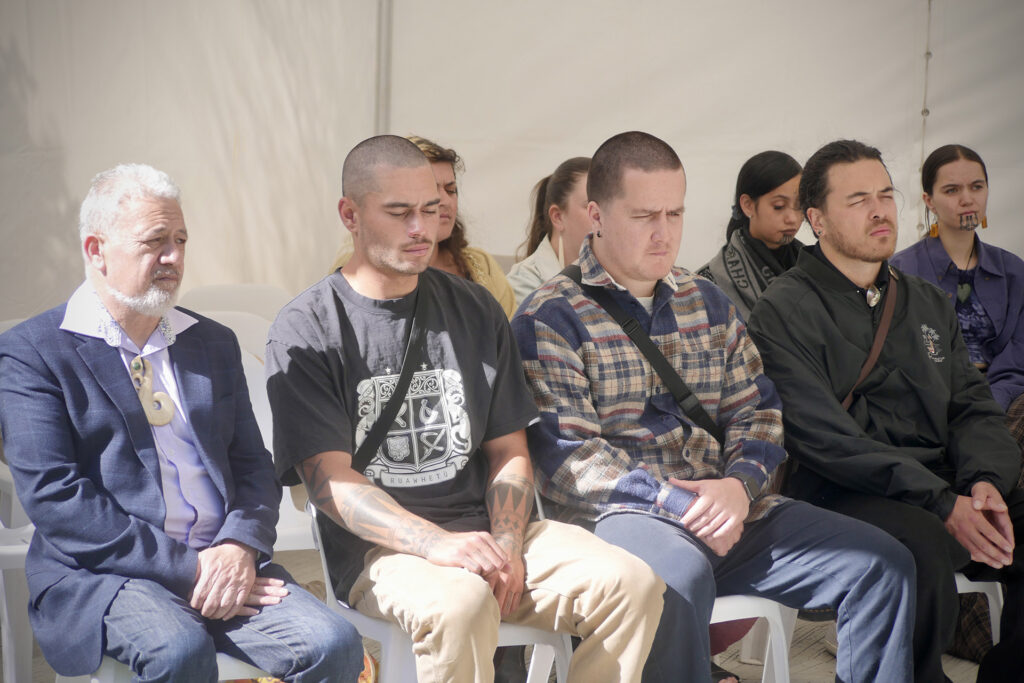
To acknowledge the partnership between Pūrangakura and our rangatahi partner organisations, a Kawenata signing ceremony took place on Wednesday 8th November at our Pūrangakura office. All six partner organisations attended with each partner organisation taking home a framed copy of the kawenata. Following the kawenata signing, we hosted a wānanga to induct the research partners into Gen K as well as get to know other members of the research team.
Pūrangakura welcomes PhD student from MIT
In February 2024, Margaret Haltom, a PhD student from MIT, Massachusetts spent a month with the Gen K team at Pūrangakura.
During that time, we shared our different research approaches and methods and she supported us to develop our quantitative research plan. We also took the time to show Margaret around Aotearoa and introduce her to our diverse culture. We are hoping to see Margaret again next year in America and get to know her research community.
See Margaret Holtom’s report MIT Department of Urban Studies and Planning. (2024, April 25). Learning from the Kaupapa Māori research approach. MIT DUSP.
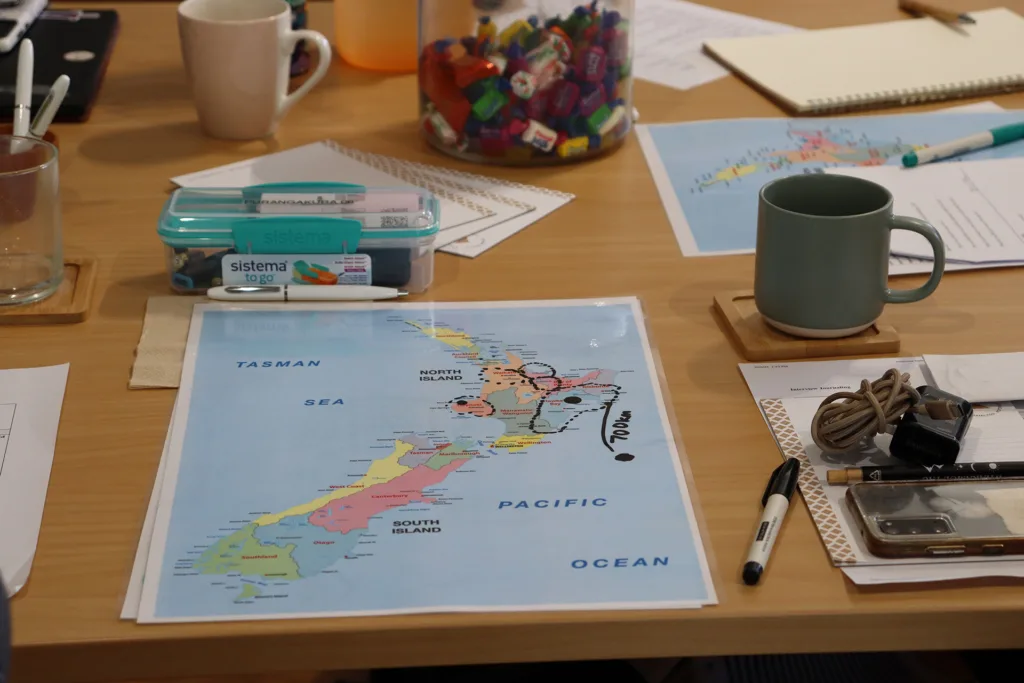
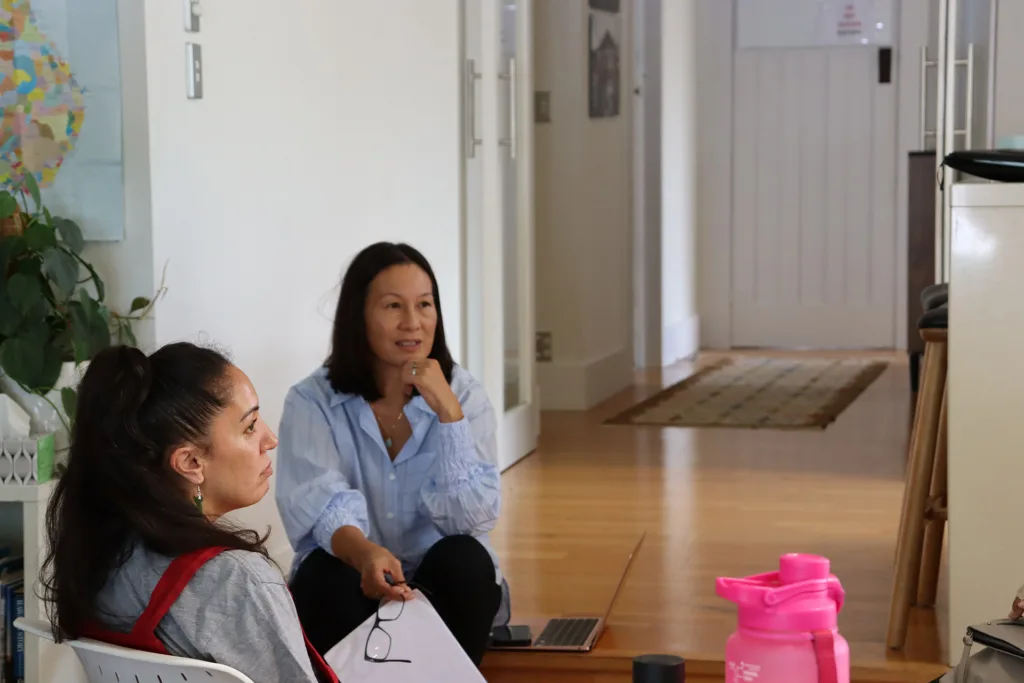
Rangatahi interview training wānanga
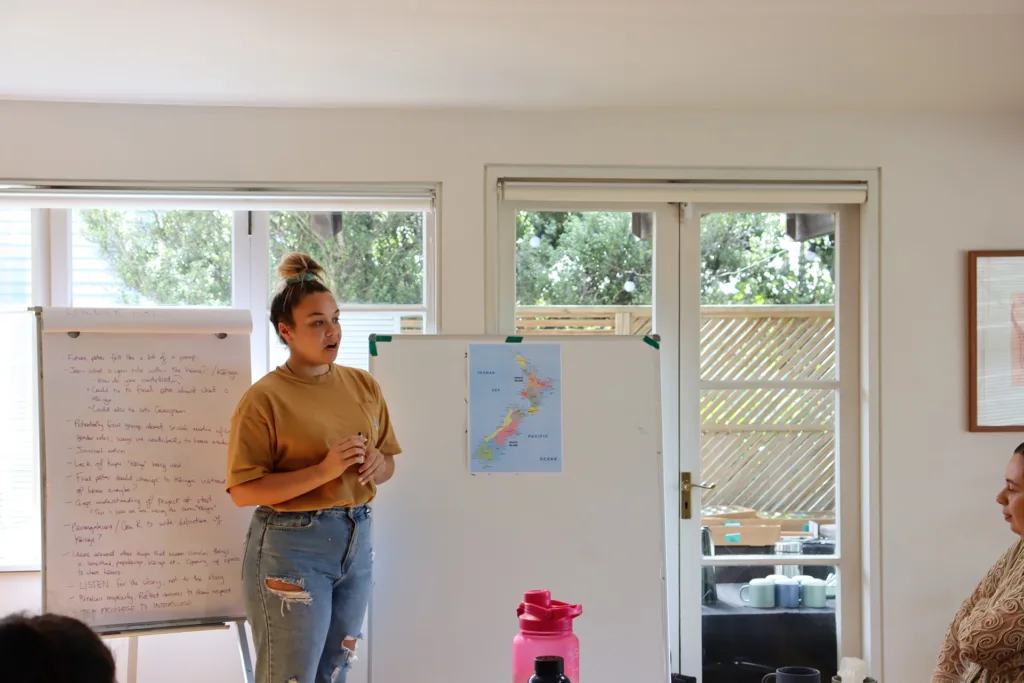
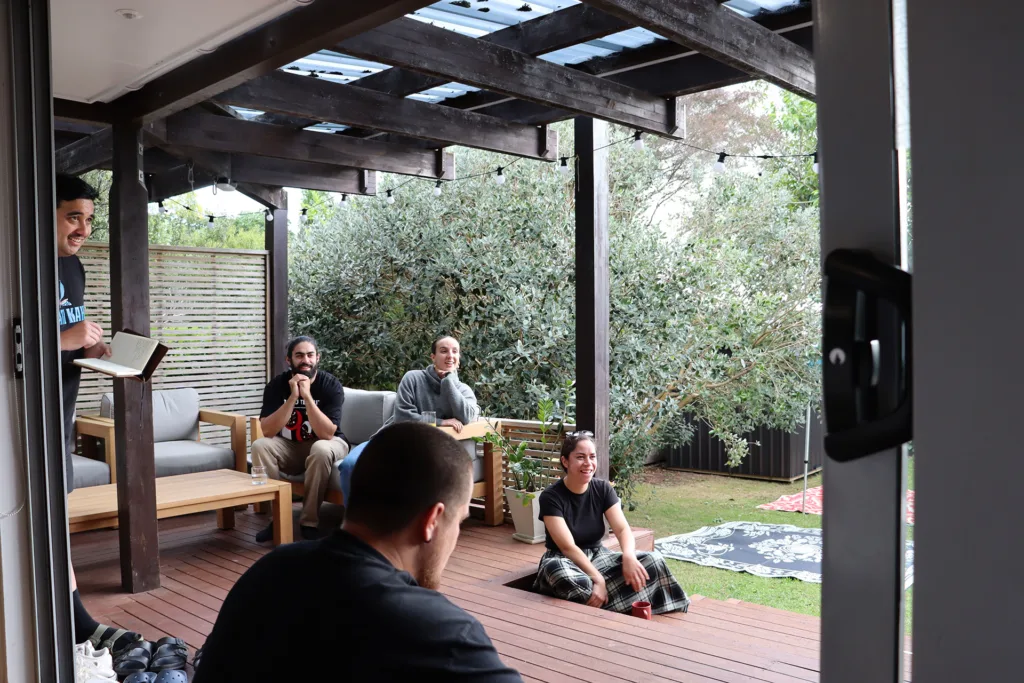
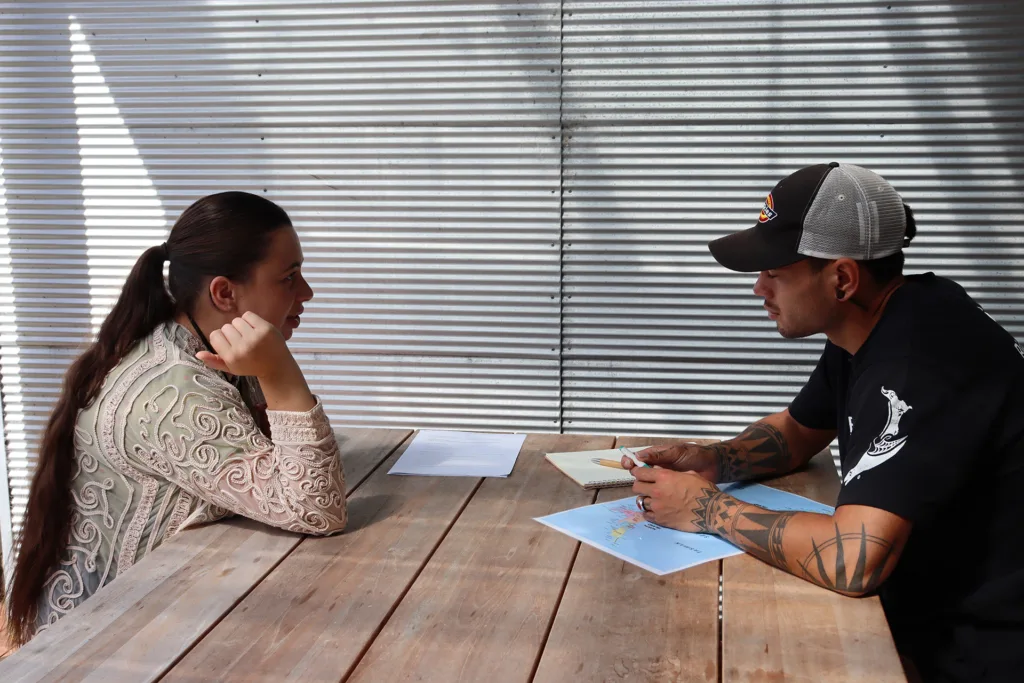
Dr Annie Te One and Associate Professor Shiloh Groot held two training days on Tuesday 26 March and Thursday 2 May 2024 for the rangatahi researchers and partners who will be undertaking interviews.
These training days were designed to upskill our team in how to conduct interviews using kaupapa rangatahi (research that is by, for and with rangatahi) as a methodological framework. Rangatahi interviewers are now actively interviewing rangatahi Māori in their communities through a more authentic and engaging data collection process.
Political Kaupapa
Submissions to Parliament
Our political voice as Gen K has become an important aspect of the research project and we have been actively engaging in political kaupapa. On the evening of April 16th, India Logan-Riley, an expert in political campaigning, hosted a submission writing event at the Pūrangakura office. This gathering was in response to the government’s attempt to pass the Fast Track Approvals Bill, which seeks to speed up the approval process for potentially damaging projects like mines and mega highways by circumventing environmental protections, Te Tiriti obligations, and public consultations.
This event produced several individual submissions as well as one on behalf of Gen K. Since then, we have also, on behalf of Gen K, made written submissions to the Māori Wards Amendment Bill and the Section 7AA Amendment Bill. We have also provided oral submissions for both the Fast Track Approvals Bill and Section 7AA Amendment Bill.
Election Campaign
Rangatahi are our future!
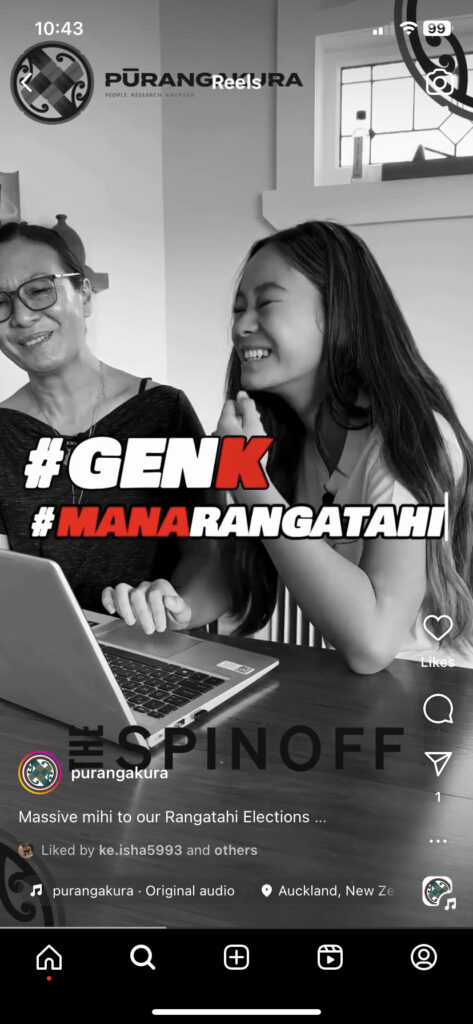
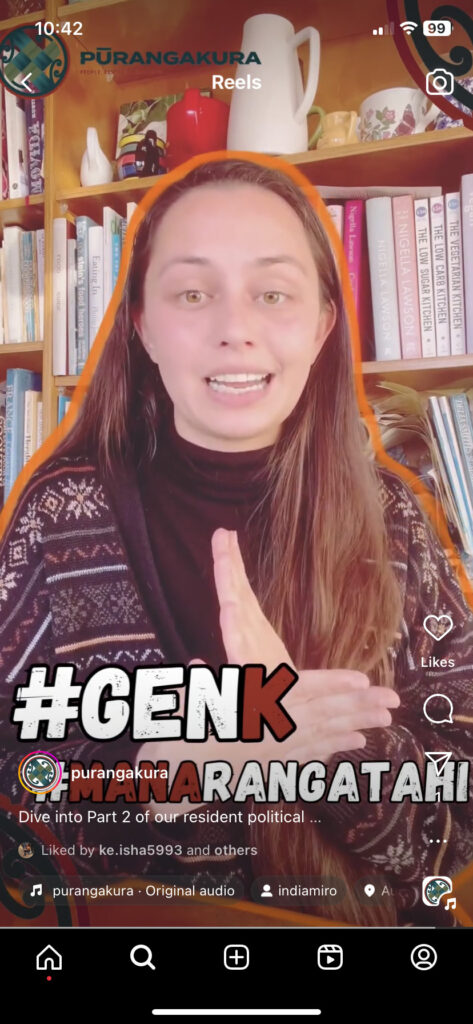
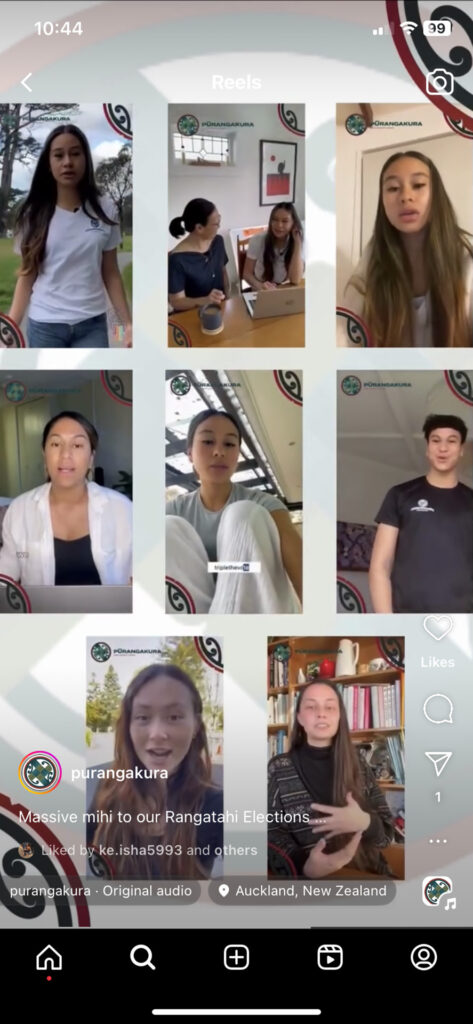
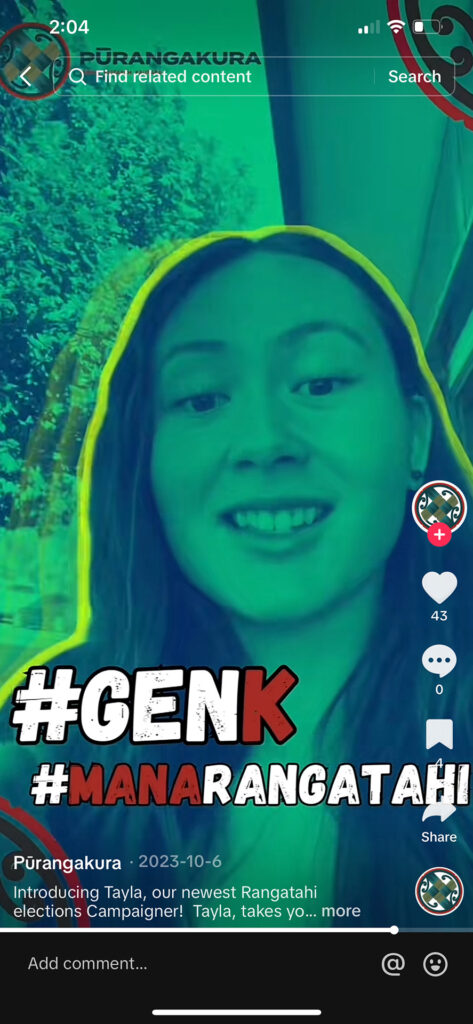
At a wānanga in 2023, the Gen K research team noted the lack of targeted information for rangatahi regarding the 2023 Government elections. In response, members of our research team embarked on an awareness campaign to encourage rangatahi to engage more effectively in the elections through better understanding of the process, the parties and how important it is for them and their whānau to vote.
During the lead up to the election, we created short videos and information on social media that amplified the voices of rangatahi, offering a platform for rangatahi to share and access key messages regarding the election. We hope to do this again leading up to the next election in 2026 and provide rangatahi with information to encourage them and their whānau to get out and vote!
Catch phrases
• The future is rangatahi, the future is kāinga
• To be indigenous, is to be born into politics
• Play the game
• A roof for every youth (Manaaki Rangatahi)
• Your voice matters, your vote matters
• Rangatahi are our future
Facts/stats
• Rangatahi are 50% of the Māori population
• In 2042 1/3 children born will be Māori
• Over half those experiencing homelessness are rangatahi and children
Hashtags
• #GenerationKāinga
• #GenK
• #Pūrangakura
• #RangatahiPolicy
Place based wānanga
Over 2024 and 2025 the Gen K research team will visit each of our six partner organisations who are located across Aotearoa. Having wānanga in, and with, the communities participating in the research, strengthens our relationships with our partners and assists in better understanding the local context and environment in which each kāinga operates and functions.
Mā Te Huruhuru Place based Wānanga
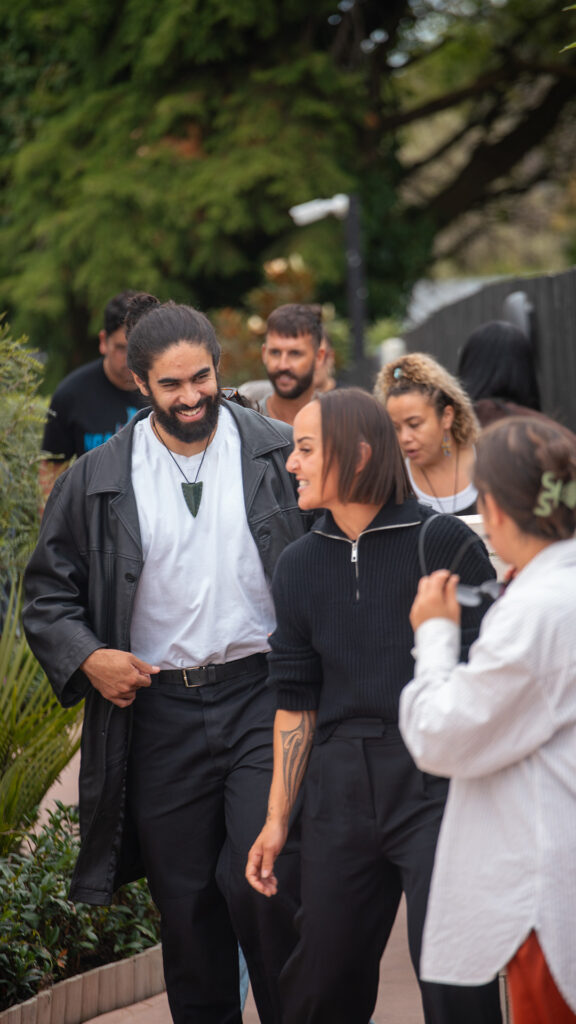
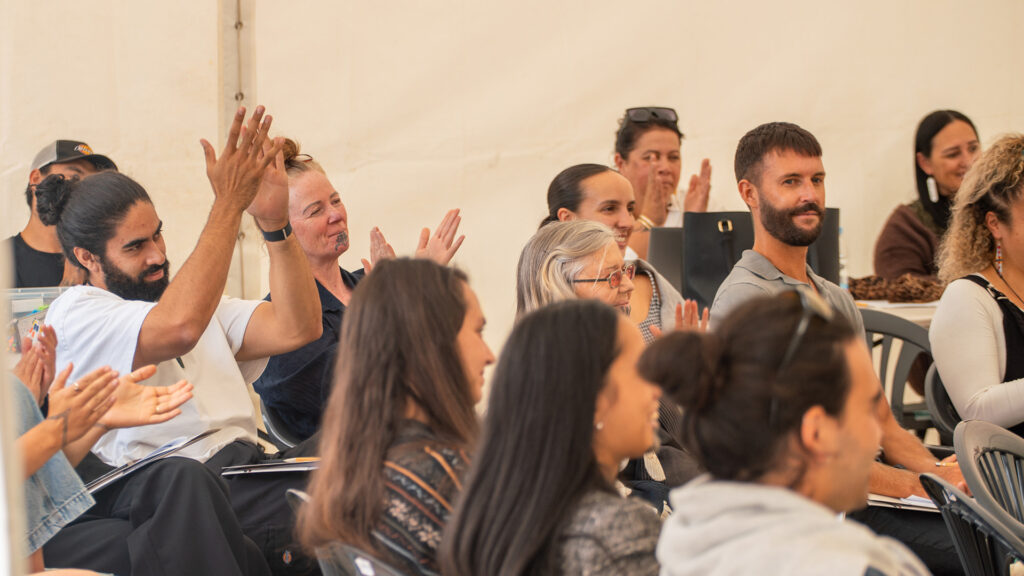
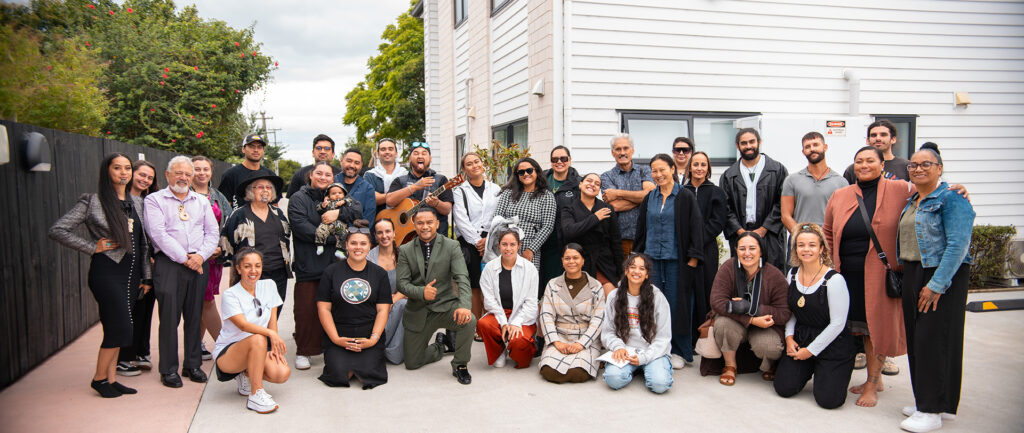
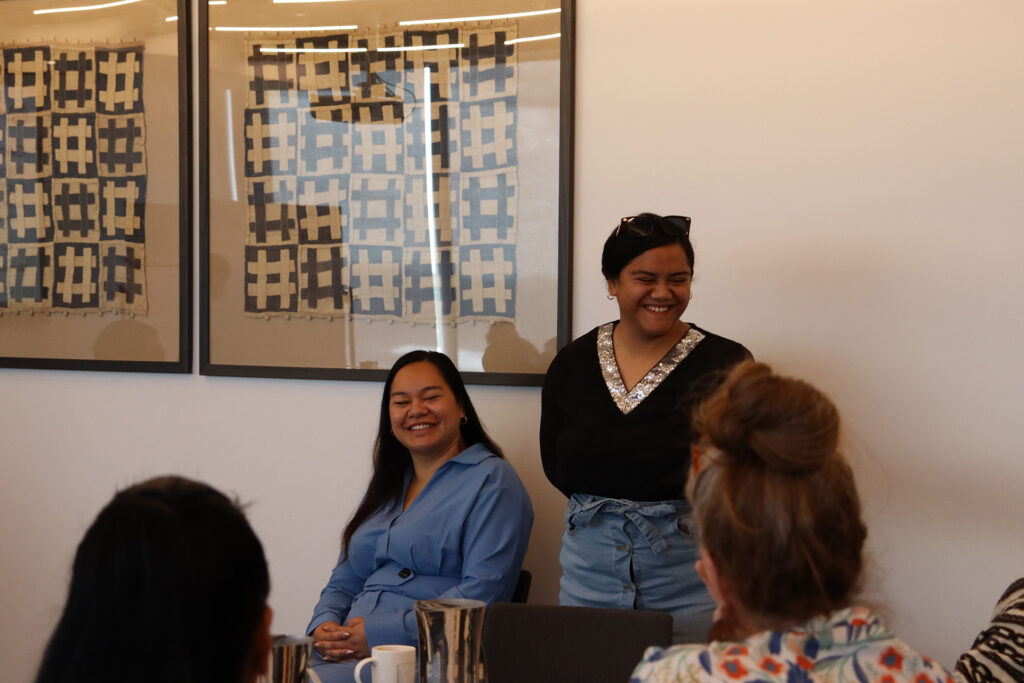
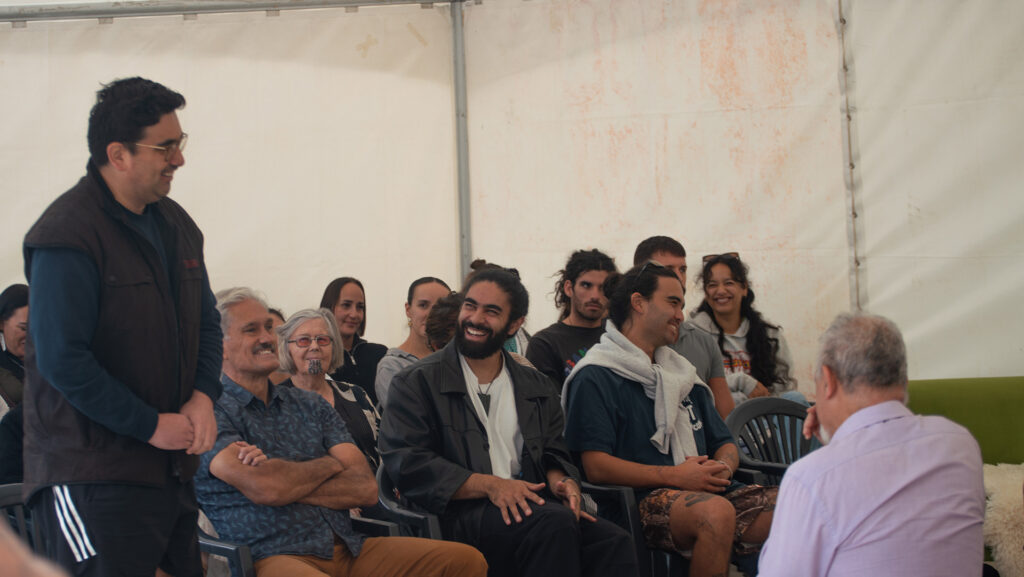
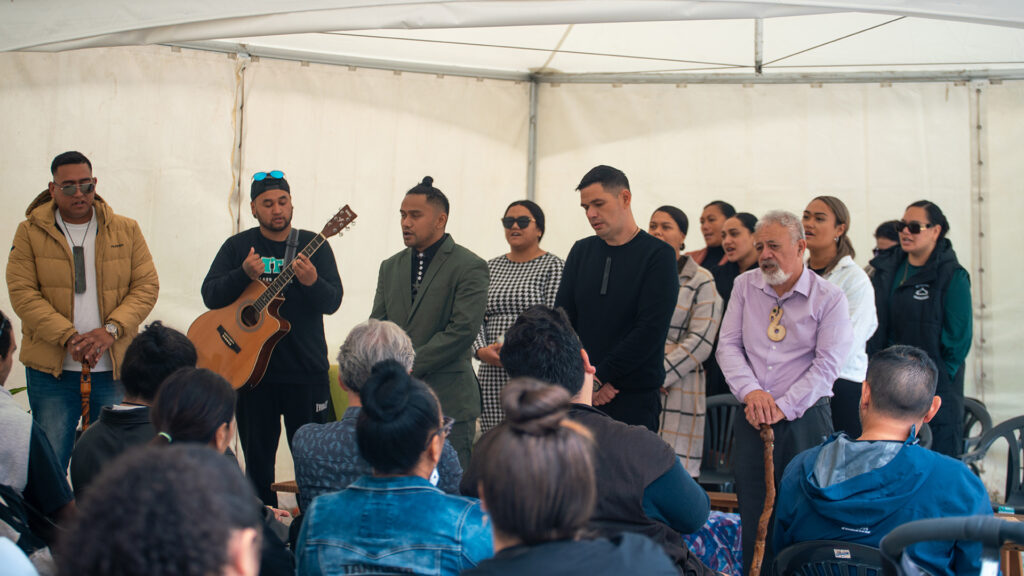
In March 2024 we were hosted for our first place-based wānanga by Mā Te Huruhuru at He Pā Piringa in Tāmaki Makaurau. He Pā Piringa is the first kaupapa Māori transitional housing for rangatahi that are experiencing housing insecurity in Aotearoa. On the first day we spent time learning about the space, the kaupapa and the rangatahi who bravely shared with us their housing experiences and aspirations for the future. We spent the second day at the Jet Park Hotel Conference Centre and invited along the new rangatahi advisors to meet everyone and learn more about the project. As well as whanaungatanga, we reviewed the interview questions and got valuable feedback from the wider team.
Overall the wānanga was hugely successful and an awesome insight into the incredible mahi the team at Mā te Huruhuru do.
Te Mana Ākonga Place based Wānanga
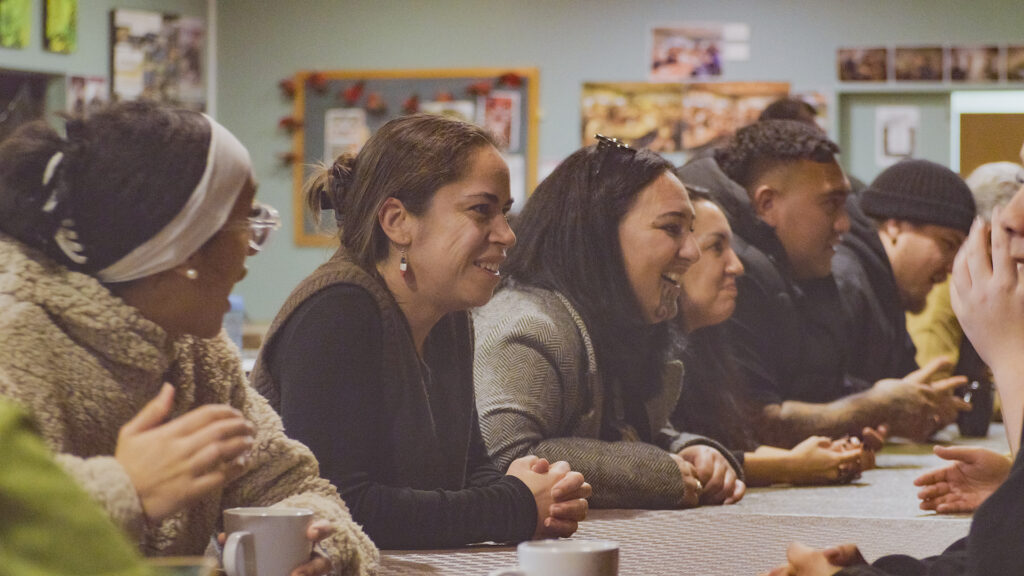
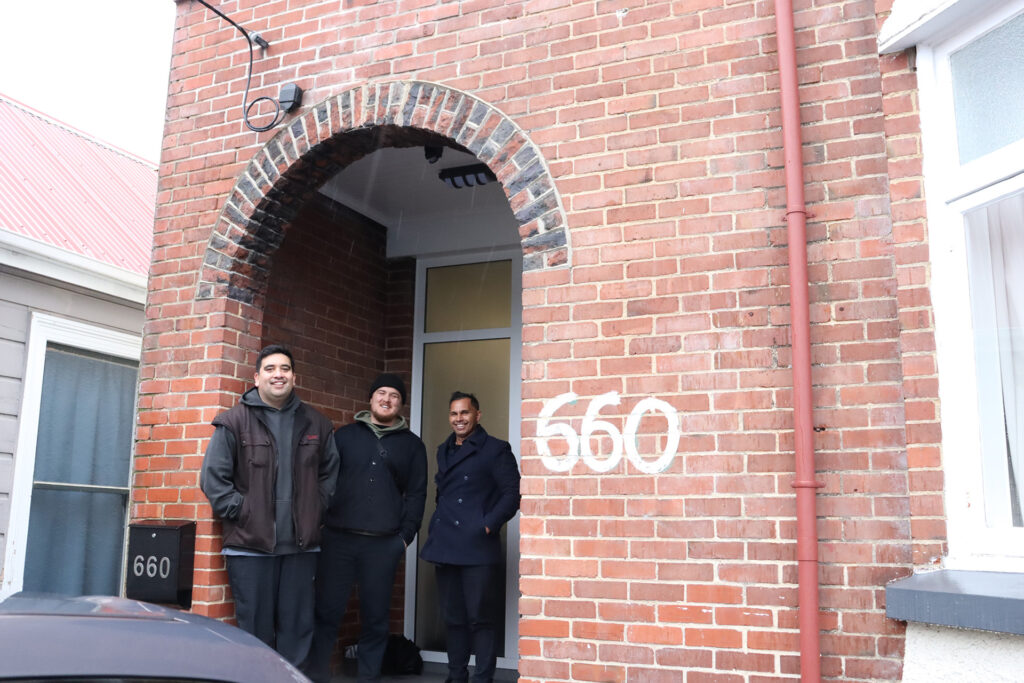
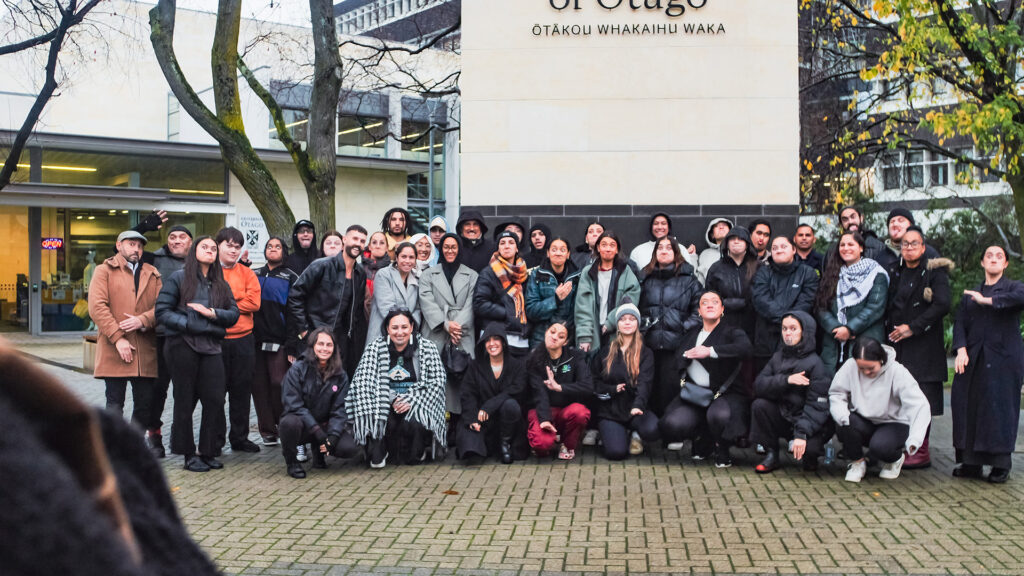
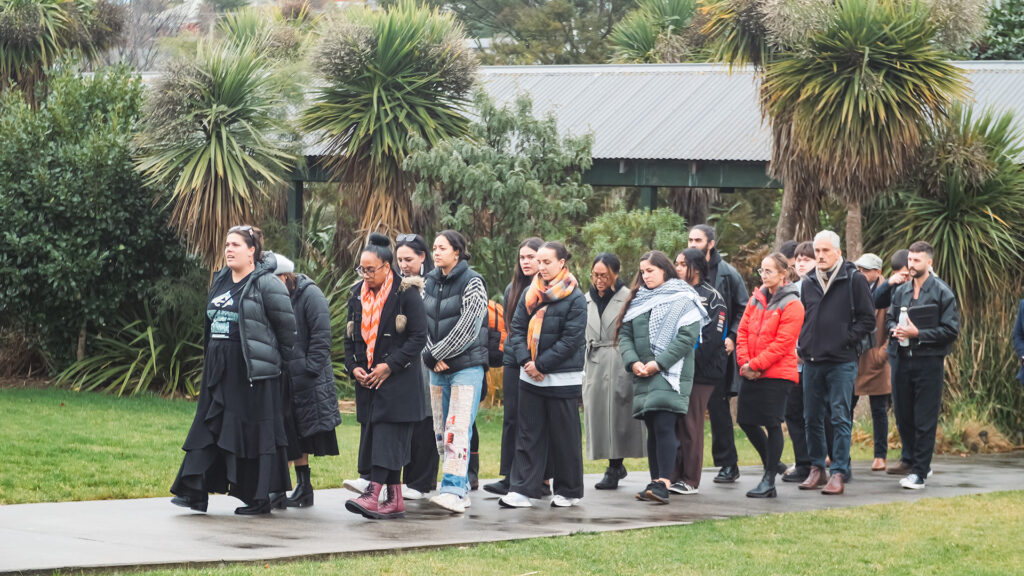
Our second place-based wānanga was hosted by Te Mana Akonga in early July at Ataiteuru marae in Ōtepoti. It was our first time meeting outside of Tāmaki and we had an awesome time working together away from our respective homes and mahi.
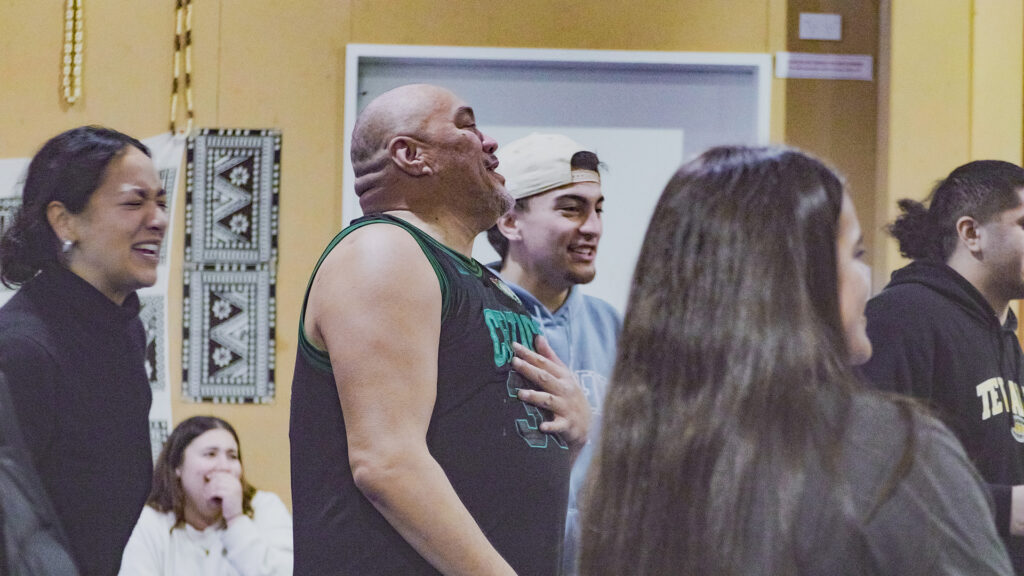
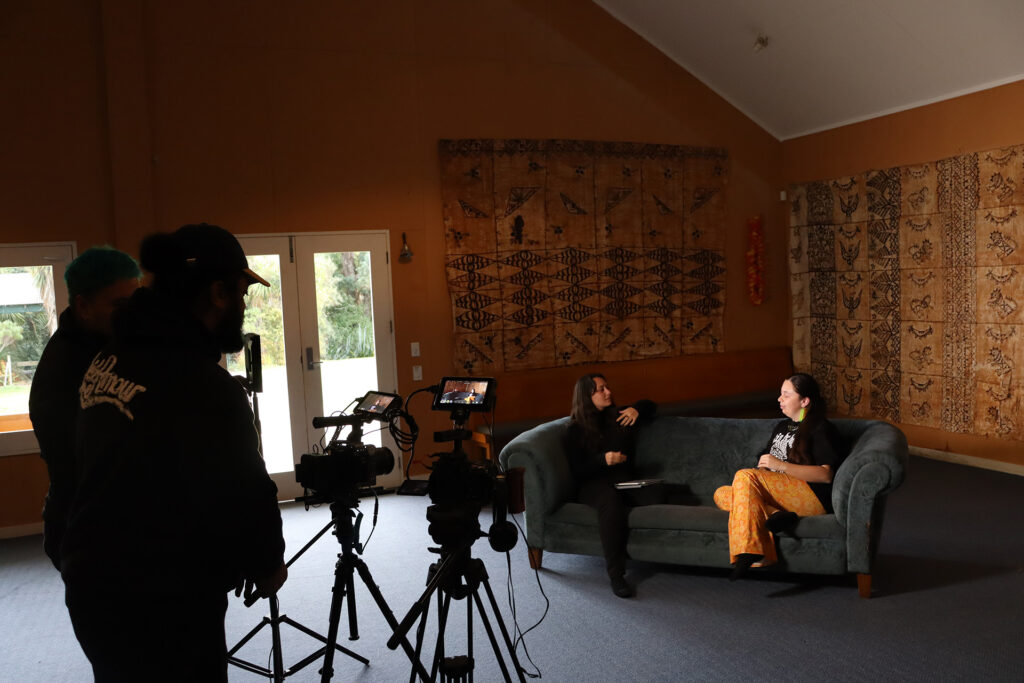
Altogether we spent three full days in Ōtepoti learning from and being shown around by Te Mana Akonga. Benji and Nikau from NoSix joined us for day one and two documenting Rosa’s kōrero, the tour of student housing and important landmarks and some of the mahi we did at the marae. We also spent time giving feedback to the quant teams pātai for the survey.
A major highlight was the dance performance by Dr Pauline Hiroti and her tauira from Whanganui City College which explored kāinga and identity through movement. Everyone was really moved and hugely impressed by Pauline, Lovey, Aiden and Rakei. It really spoke to how we want to disseminate and communicate research differently and involve young people in the mahi we are doing.
Conferences
SOAC Conference 2023
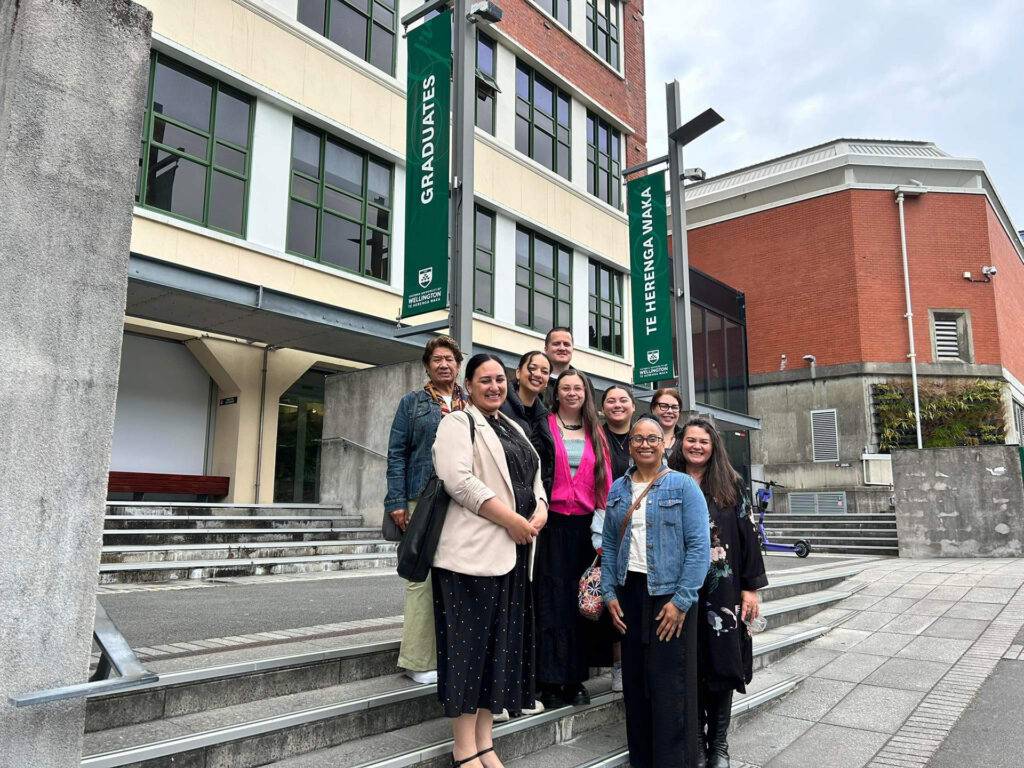
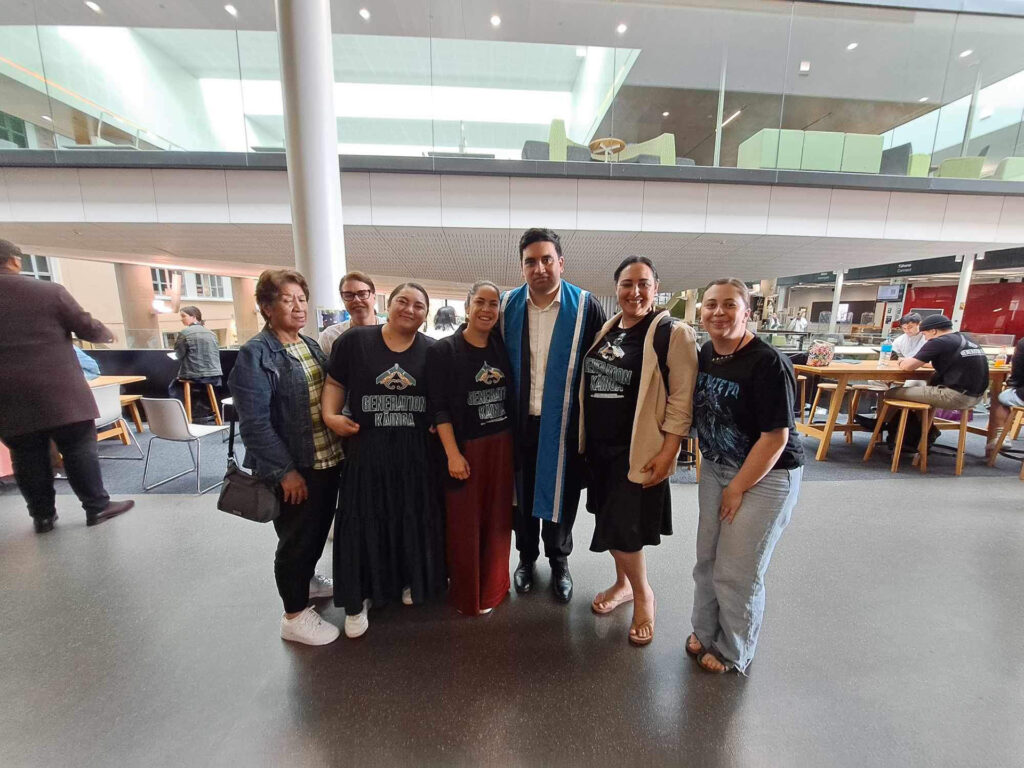
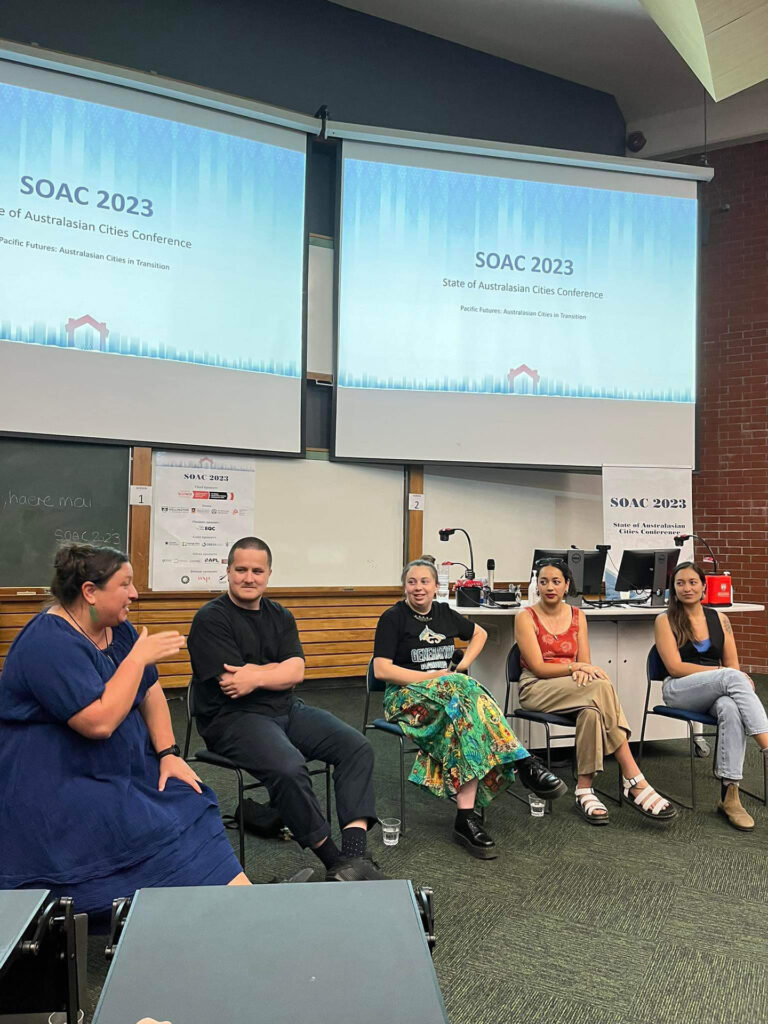
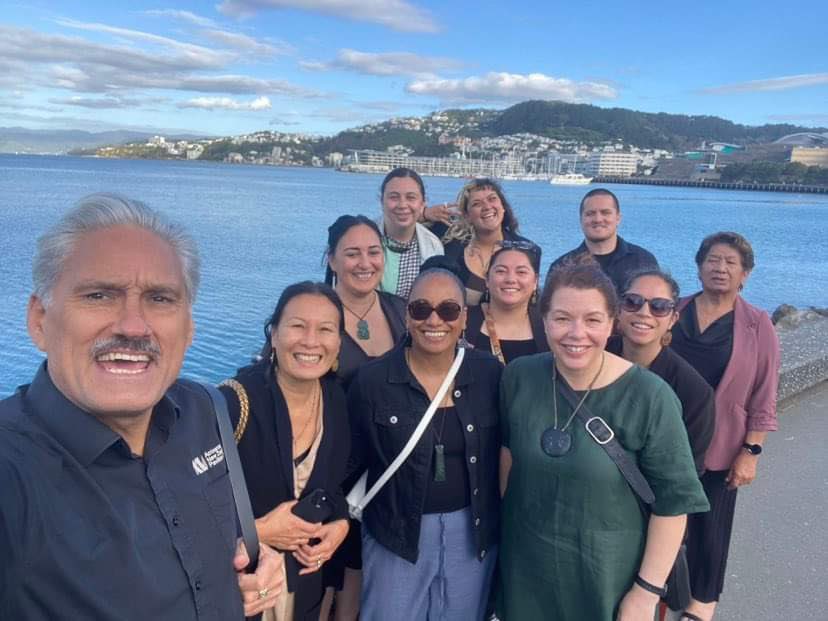
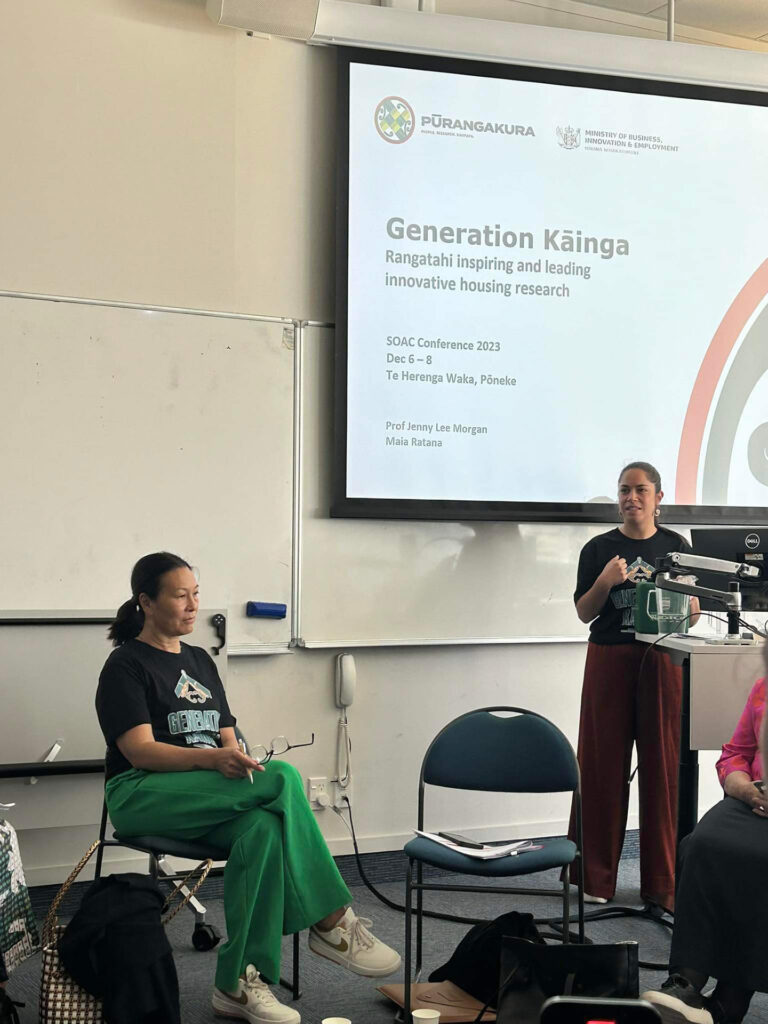
In December 2023, several members of the Gen K team attended the SOAC conference in Pōneke. It was a great opportunity to introduce the research partners to other areas of the research community and listen to kōrero by urban planning experts from across the world.
While there, Rosa Hibbert-Schooner, Matangireia Yates-Frances and Lani Rotzler-Purewa, three of our research partners were asked to participate in a rangatahi panel facilitated by Gen K advisor, Rebecca Kiddle. This ended up being a highlight of the conference with all three giving strong, well-thought out and innovative answers to all the questions asked. Feedback from the audience showed that Indigenous rangatahi voices in this space were much needed and well overdue.
Achievements:
Rutherford Medal Recipient – Linda Tuhiwai Smith
Royal Society of New Zealand. (2024, August 7). Linda Tuhiwai Smith receives Rutherford Medal alongside other research honours: Aotearoa winners.
Award title: Fulbright-Ngā Pae o te Māramatanga Scholar Award – Dr Hinekura Smith
Citation: Fulbright New Zealand. (2023). Fulbright-Ngā Pae o te Māramatanga Scholar Award [Award].
Award title: Royal Society Te Āparangi Research Te Kōpūnui Māori Research Award
Citation: Royal Society Te Āparangi. (2023). 2023 Royal Society Te Āparangi Research Honours Aotearoa: ECR Kōpūnui [Award].
Resources and publications:
Submission
Lee-Morgan, (2024, June 14) Submission of Te Ahiwaru Board on the Fast-track Approvals Bill.
Logan-Riley, I. (2024, April 19). Submission to the Environment Select Committee on the Fast Track Approvals Bill. New Zealand Parliament.
Te One, A. (2024, May 29). Submission to the Justice Committee on Local Government (Electoral Legislation and Māori Wards and Māori Constituencies) Amendment Bill. New Zealand Parliament.
Henry, E. (2024, August 3). Empowering Māori voices in media [Video].
Henry, E. (2024, May 31). How non-Māori learning te reo Māori helps revitalise it. Re News.
Paul, J. (2023, July 6). Radio interview: Youth homelessness worries group [Audio]. RNZ.
Perese, D. (2024, April 6). Māori Wards. Whakaata Māori.
Te Hiku Media. (2024, March 13). Ella Henry – Tvnz Looks to axe Several News Bulletins.
The Panel. (2024, May 8). The Panel and Chris Finlayson and Dr Ella Henry (Part 1).
Articles:
ArchitectureNow. (2023, July 12). SOAC 2023 Conference.
Lee-Morgan, J. (2024, June 2). Jenny Lee-Morgan: Diversity is a slippery word. E-Tangata.
Maihi, M. (2024, April 10). More help needed to address youth homelessness. Te Ao News.
Paul, J. (2024, April 30). Budget 2024: The great Spinoff hot-take roundtable. The Spinoff.
Pūrangakura. (2024, May 3). Māori researchers support student rent strike [Press release]. Scoop.
Book Chapters
Agozino, B., Smith, L. T., Anthony, T., Blagg, H., Cunneen, C., Rowe, S., & Connell, R. (2024). Criminological and social theory and methods, settler colonialism and the Indigenous context. In Roads to decolonisation (pp. 257–280). Routledge.
Paul, J., Ratana, M., Monga, H.-M., Newton, P., & Lee-Morgan, J. [Forthcoming]. He tātai whetu ki te rangi, he rangatahi ki te kāinga: Rangatahi Māori pathways to safe, secure and affordable homes. MAI Journal.
Poole, B. (Forthcoming). Mō tātou, ā, mō kā uri ā muri ake nei: Language revitalisation through Māori maternities. AlterNative: An International Journal of Indigenous Peoples. University of Auckland.
Report
Barton, B. (2024). Inequity for Wāhine Takatāpui and Whakawāhine. In Mana wāhine i te ao hurihuri: Equity and disparities in wellbeing for wāhine Māori from the 1950s to 2000. [Report].
Clifford, C., Berryman-Kamp, M., & Te One, A. (2023). Wāhine Māori access to decision-making, representation and leadership in the public sector 1990-2020. A report in support of the Waitangi Tribunal Mana Wāhine Inquiry (WAI2700).
Ratana, M. (2024). Room for Rangatahi: Housing security and Rangatahi Māori. National Science Challenge: Building Better Homes, Towns and Cities. https://www.buildingbetter.nz/publication/room-for-rangatahi-housing-security-and-rangatahi-maori/
Magazine Article
Reynolds-Cuéllar, P., Te One, A., Paul, J., & Harvey, A. (2024). On kinship: Indigenous knowledge(s) & Western knowledge. Science for the People Magazine.
More research projects:
×